What is the Best Dog Nutrition for Healthy Growth?
Dog nutrition plays a crucial role in supporting healthy growth for our furry companions. According to a report from the Association of American Feed Control Officials (AAFCO), puppies require higher protein and fat levels than adult dogs. This is essential for proper muscle development and energy levels. Experts agree that balanced diets lead to healthier, more active pets. Dr. Lisa Freeman, a renowned veterinary nutritionist, emphasizes the importance of this balance, stating, "Proper dog nutrition is the foundation of a long and healthy life for our dogs."
Pet owners often feel overwhelmed by the information available on dog nutrition. Some may overlook the significance of nutrients, while others may subscribe to popular trends without scientific backing. This often leads to unbalanced diets that can hinder growth and development. The nutritional needs also vary by breed, age, and activity level, making tailored approaches necessary.
By considering expert advice and established guidelines, dog owners can make informed decisions. However, navigating the complexities of dog nutrition is not always straightforward. Misleading marketing claims often cloud judgment. Reflection on these choices can enhance understanding, ensuring that every pup receives the best nutrition for optimal growth.

Understanding the Nutritional Needs of Growing Puppies
The nutritional needs of growing puppies are unique and crucial for their development. Puppies require a balanced diet rich in proteins, fats, vitamins, and minerals. These elements support healthy muscle growth, bone development, and an active lifestyle. Understanding the nutritional balance is key to fostering your puppy's growth.
Feeding puppies should focus on high-quality, age-appropriate food. Look for options specifically formulated for puppies, as they offer essential nutrients in appropriate ratios. Many puppy foods contain increased fat and protein levels to meet energy demands. Be mindful of serving sizes, as overfeeding can lead to obesity later on.
It's beneficial to establish a feeding schedule. Consistent timing helps regulate digestion and sets routines. Introduce new foods gradually to avoid gastrointestinal upset, which can occur when switching diets too quickly. Monitoring your puppy's weight and growth rate is important; adjustments may be necessary. Feeding preferences can vary, so watch for signs of food enjoyment or aversion. Understanding your puppy's needs is an ongoing process.
Essential Nutrients for Canine Growth and Development
A balanced diet is crucial for canine growth and development. Essential nutrients such as proteins, fats, carbohydrates, vitamins, and minerals play vital roles. According to a report by the Association of American Feed Control Officials (AAFCO), dogs require a minimum of 18% protein in their diet for healthy growth. This protein is essential for muscle development and overall energy.
Fats provide energy and aid in nutrient absorption. Omega-3 and Omega-6 fatty acids support skin and coat health, as well as brain development. Research indicates that puppies benefit significantly from diets enriched with these fatty acids. Vitamins and minerals are equally important. Calcium and phosphorus are critical for developing strong bones. The right balance of these nutrients prevents skeletal disorders and promotes proper growth.
Consider these tips when planning your dog's diet. Include high-quality sources of protein, like chicken or fish. Monitor your dog’s weight regularly. Adjust their portion sizes based on their activity level. Be aware that nutritional needs may vary with age and breed. Always consult with a veterinarian to ensure your dog receives a tailored diet that promotes optimal health and growth. It's essential to reflect on your dog's individual health and nutritional needs, as what works for one dog may not suit another.
Choosing the Right Dog Food: Ingredients to Look For
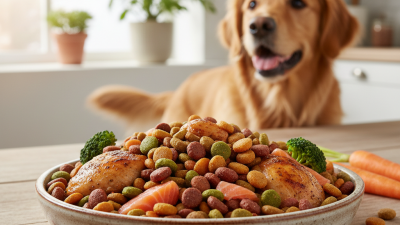
Choosing the right ingredients for your dog's food is vital for their healthy growth. Look for high-quality protein sources like chicken, beef, or fish. These proteins provide essential amino acids that support muscle development. Whole grains, such as brown rice or oats, offer energy and fiber. Fiber helps with digestion, which is crucial for a growing pup.
Fats should come from healthy sources like fish oil or flaxseed. These fats provide omega-3 and omega-6 fatty acids, which contribute to a shiny coat and healthy skin. Avoid artificial additives and fillers. They can lead to digestive issues and poor nutrition over time.
Pay attention to the nutritional balance of the food. It should meet the specific needs of your dog's age, size, and breed. Just because a food is marketed as premium doesn’t guarantee quality. Conducting research and even seeking advice from a vet can help ensure you make informed choices. Finding the best nutrition is a journey of trial and error, with your dog's unique needs leading the way.
What is the Best Dog Nutrition for Healthy Growth? - Choosing the Right Dog Food: Ingredients to Look For
| Nutritional Component |
Importance |
Recommended Source |
Recommended Ratio |
| Protein |
Supports muscle development and repair |
Chicken, beef, fish, lamb |
20-30% of total diet |
| Fats |
Provides energy, supports skin and coat health |
Fish oil, flaxseed oil, chicken fat |
8-15% of total diet |
| Carbohydrates |
Provides energy and aids digestion |
Brown rice, sweet potatoes, oats |
30-50% of total diet |
| Vitamins |
Supports immune function and overall health |
Fruits and vegetables like carrots, blueberries |
A small portion of diet |
| Minerals |
Essential for bone health and metabolism |
Calcium, phosphorus from meat and bones |
Balanced with other nutrients |
Special Dietary Considerations for Different Dog Breeds
When considering dog nutrition, special dietary needs can vary significantly by breed. Smaller dogs often have faster metabolisms. They require higher calorie amounts in smaller portions. This frequent feeding can be a challenge for some owners. Larger breeds, on the other hand, need controlled diets to prevent obesity and joint issues. It's vital to monitor their growth to avoid developmental problems.
Certain breeds are prone to specific health issues. For instance, golden retrievers may require diets rich in omega-3 fatty acids for coat health. Meanwhile, bulldogs often benefit from anti-inflammatory ingredients to support their unique body structure. It's crucial for owners to understand these distinctions. Neglecting breed-specific needs can lead to serious health problems down the line.
Choosing the right diet involves some research. Consulting with a veterinarian can provide personalized advice. Sometimes, trial and error may be necessary to find what works best. Observing your dog’s reactions to different foods is an essential part of the process. Remember, what works for one breed may not work for another. Balancing variety and nutritional content can be a complex journey.
Common Mistakes in Dog Nutrition and How to Avoid Them
Many dog owners inadvertently make mistakes in their pets' nutrition. One common error is feeding dogs a diet solely based on dry kibble. While convenient, this may lack the necessary moisture. Dogs require hydration for overall health. Ensure fresh water is always available. Consider adding wet food to their diet for added hydration.
Another mistake is not taking the dog's life stage into account. Puppies have different nutritional needs than adult dogs. Growth is critical, so they need higher protein and calories. Similarly, senior dogs might require lower caloric intake. Adjust the diet according to age and activity levels.
Some owners may also overlook portion control. An overweight dog faces health risks, like diabetes and joint problems. Regularly measure food portions to maintain a healthy weight. Being mindful of these aspects can support your dog’s healthy growth and well-being. Reflecting on your choices and making changes can lead to a happier, healthier pet.
What is the Best Dog Nutrition for Healthy Growth?
This chart illustrates the percentage of common dog food ingredients that contribute to healthy growth compared to those that are less beneficial. It highlights the importance of protein, fats, carbohydrates, vitamins, and minerals in dog nutrition.