Best Dry Dog Food for Your Pet's Health and Nutrition?
When it comes to choosing the best dry dog food, many pet owners feel overwhelmed. There are countless brands and formulations available. Each option claims to be the healthiest. However, not all dry dog food is created equal. Some may contain fillers and artificial additives. Understanding what your dog needs is crucial.
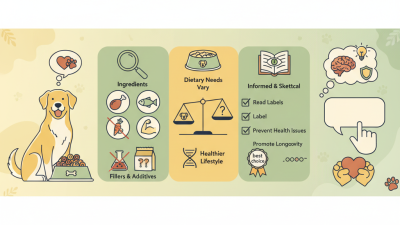
Quality dry dog food can significantly impact your pet's overall health. The right nutrients promote strong bones, a shiny coat, and improved energy levels. Ingredients should be real and recognizable. Look for food with a high meat content and minimal by-products. Reading labels can feel daunting, yet it is essential for making informed choices.
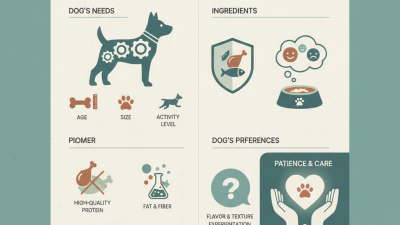
Many owners underestimate the importance of specialized diets. Different breeds have unique nutritional requirements. Puppies, adults, and seniors need distinct formulations. Reflect on your dog’s age, size, and activity level. The right dry dog food can enhance their vitality, yet finding it takes time and research. It's a journey worth taking for your beloved pet's well-being.
Understanding the Importance of Nutrition in Dog Food
Understanding the importance of nutrition in dog food is crucial for your pet's well-being. Dogs require a balanced diet rich in proteins, fats, vitamins, and minerals. Each ingredient plays a unique role. For instance, proteins support muscle development, while fats provide energy. But how do we know if we're feeding our pets the right nutrients?
Many dog owners overlook the details on labels. It's easy to be swayed by attractive packaging. However, the ingredient list is your best friend. Look for whole foods, not fillers. High-quality dry dog food should contain meat as the first ingredient. Grains and by-products can be problematic for some dogs. You might notice your dog’s coat dulling or frequent tummy troubles. These could be signs of inadequate nutrition.
Transitioning to better food can be a journey. Some dogs are picky eaters. They might resist changes. Patience is key here. Monitor your dog’s reactions and adjust as needed. Observing their energy levels is essential. An active dog usually indicates a good diet, whereas lethargy can signal something is off. Remember, feeding your dog is not just about satisfaction. It’s about nourishment and health.
Best Dry Dog Food for Your Pet's Health and Nutrition
| Nutrient |
Importance |
Recommended Amount (per cup) |
Sources |
| Protein |
Essential for growth, muscle development, and energy. |
20-30g |
Chicken, Beef, Fish |
| Fat |
Provides energy and supports cellular function. |
8-20g |
Fish Oil, Chicken Fat |
| Fiber |
Aids digestion and prevents obesity. |
3-5g |
Brown Rice, Beet Pulp |
| Vitamins |
Supports immune function and overall health. |
Varies |
Fruits, Vegetables |
| Minerals |
Important for bone health and various bodily functions. |
Varies |
Meat, Vegetables |
Key Ingredients to Look for in High-Quality Dry Dog Food
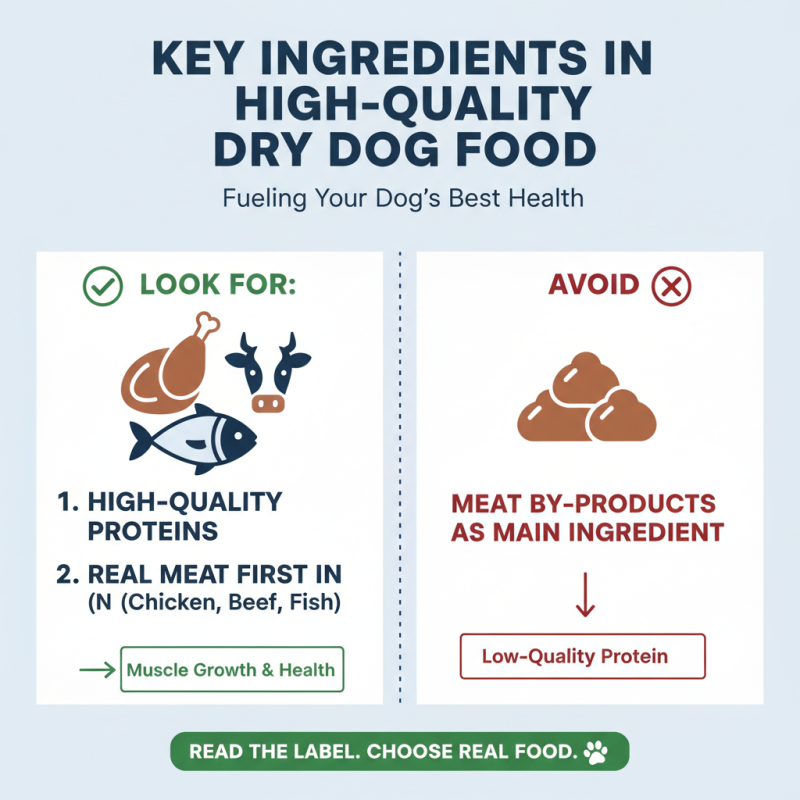
When choosing dry dog food, key ingredients play a crucial role. It’s essential to look for high-quality proteins. Protein sources like chicken, beef, or fish should be at the top of the ingredient list. These ingredients support muscle growth and overall health. Avoid foods that list meat by-products as the main ingredient. They often contain low-quality proteins.
In addition to protein, healthy fats are also important. Look for omega-3 and omega-6 fatty acids. These oils promote a shiny coat and healthy skin. They can help reduce inflammation and support joint health, especially for older dogs. Including whole grains or vegetables is beneficial too. These provide fiber, aiding digestion.
**Tip:** Always read labels. Ingredients are listed by weight, so the first ones are the most abundant. A balanced dry food should feature both animal and plant protein sources.
**Tip:** Consider your dog's age and activity level. Puppies need more protein and fat compared to older or less active dogs. Adjusting their diet can make a significant difference in their health.
Remember, the perfect balance may require trial and error. Observe how your dog reacts to different foods. Every pup is unique, and what works for one may not work for another.
Evaluating Dog Food Brands: What to Consider
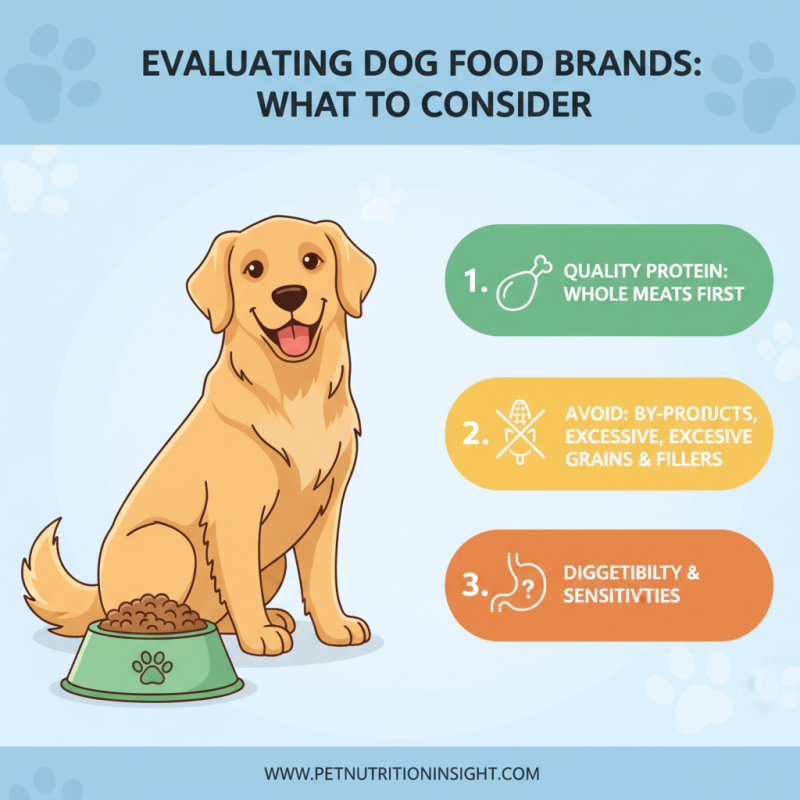
When evaluating dog food brands, there are several factors to consider. Ingredients play a vital role. High-quality proteins should be listed first. Look for whole meats instead of by-products. The presence of grains or fillers can affect digestion. Some dogs might have sensitivities to these ingredients. It’s important to choose wisely.
Another aspect is nutritional balance. Dry dog food should meet AAFCO standards. Check for essential nutrients, such as vitamins and minerals. A varied diet helps maintain overall health. Not all brands offer adequate nutrition. Sometimes, pet owners may overlook this detail while shopping. Reading labels is essential for understanding what goes into the food.
Consider your dog's specific needs too. Age, size, and activity level matter. A senior dog may require lower calories. Puppies have different nutritional requirements, needing extra protein. Some brands might not cater well to specialized diets. Research is critical. Nutrition has a long-term impact on your pet’s health. Make informed decisions to ensure your dog's well-being.
The Role of AAFCO in Dog Food Standards and Safety
When it comes to dog food safety, AAFCO plays a vital role. This organization sets nutritional standards for pet food in North America. Their guidelines ensure that dog food meets basic health requirements. Each product must have key nutrients, like proteins and vitamins. But, not all brands adhere strictly to these guidelines. Some may cut corners to reduce costs.
AAFCO approval is not a regulatory mandate. It is more of a guideline. Many reputable companies follow these standards to ensure quality. However, some lesser-known brands might not. Pet owners must be cautious and read labels carefully. Ingredients should be recognizable. Whole foods are often better for your dog’s diet.
A well-balanced diet is essential for your pet’s overall health. Unfortunately, not all dry dog food meets these standards. Sometimes, marketing can be misleading. Terms like "natural" or "premium" don’t guarantee nutrition. Pet owners need to research brands and check for AAFCO compliance. This is the best way to ensure your dog gets the nutrients they need. Dogs depend on us for their health; let’s not take that lightly.
Comparison of Nutritional Value in Dry Dog Foods
Special Dietary Needs: Tailoring Food to Your Dog’s Health
When it comes to dog nutrition, special dietary needs are crucial. Certain breeds may be prone to specific health issues. For example, large breeds are susceptible to joint problems. According to the American Kennel Club, about 20% of large breeds develop these issues. A diet rich in Omega-3 fatty acids can help support joint health.
Some dogs may require a grain-free diet. This is often due to allergies or sensitivities. A study from the Veterinary Journal found that 10% of dogs suffer from food allergies. For these dogs, it's important to choose a food that includes alternative carbohydrates. Sweet potatoes or peas can be a good option.
Additionally, weight management is another concern for many pet owners. The Association for Pet Obesity Prevention reports that around 60% of dogs in the U.S. are overweight. Maintaining a healthy weight can prolong a dog's life. Look for formulations targeting weight loss, usually lower in calories and fat. Make sure to consult with your vet to see if your dog falls into this category.