How to Choose the Best Salmon and Sweet Potato Dog Food?
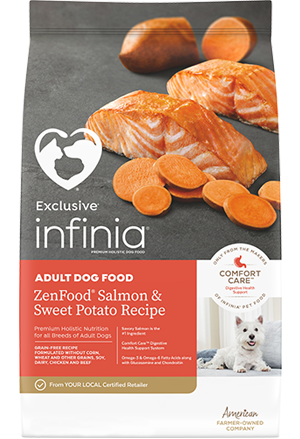
Choosing the right salmon and sweet potato dog food requires more than attractive packaging. Salmon may provide highly digestible protein and omega-3 fatty acids. Sweet potato can supply carbohydrates and dietary fiber. However, ingredient appeal does not prove nutritional completeness.
The American Pet Products Association reported that U.S. pet industry spending reached $152 billion in 2024. That growth reflects stronger owner interest in nutrition, but it also creates more confusing choices. AAFCO nutritional adequacy statements remain essential. They indicate whether a food is complete and balanced for a specific life stage. The FDA also advises owners to consider recalls, labeling accuracy, and manufacturer safety practices.
Dr. Lisa M. Freeman, DVM, PhD, DACVN, a veterinary nutritionist at Tufts University, states, “There is no one-size-fits-all diet for pets.” That principle should guide every salmon and sweet potato dog food comparison. Puppies, adult dogs, seniors, and dogs with allergies may need different nutrient profiles. Body condition matters, too. A shiny coat cannot replace a proper calorie assessment.
Look beyond the front label. Check protein sources, calorie density, calcium and phosphorus information, feeding trials, and contact details for the manufacturer. WSAVA nutrition guidance also encourages owners to evaluate who formulates the recipe and how quality control operates. Those details are easy to overlook.
One limitation deserves honesty. Salmon recipes are not automatically healthier. Some dogs dislike fish, gain excess weight, or react to particular ingredients. I once viewed “natural” wording as reassuring. That was too simplistic. This guide will examine evidence, labels, life-stage needs, and practical feeding signs before recommending any formula.

Define Your Dog’s Nutritional Needs and Dietary Restrictions
How to Choose the Best Salmon and Sweet Potato Dog Food?
Your dog’s nutritional needs begin with age, size, activity, and health status. Puppies often need more calories and carefully balanced minerals for growth. Adult dogs may need controlled calories, especially after neutering or reduced exercise. Senior dogs can require different protein, fat, or fiber levels. A highly active dog is not the same as a sleepy apartment companion.
Read the nutritional adequacy statement on the package. Choose food labeled complete and balanced for your dog’s life stage. Salmon can provide quality protein and useful omega-3 fatty acids. Sweet potato supplies carbohydrates and fiber, but it does not automatically make food healthier. Check calories per serving, protein levels, fat content, and feeding amounts. Feeding guides are estimates, not precise instructions. Your dog’s body condition matters more.
Dietary restrictions require careful definition. A suspected allergy may involve itching, ear problems, vomiting, or loose stools, but these signs have many possible causes. A veterinarian should guide elimination trials and ingredient reintroduction. Do not assume every skin problem comes from grains. Dogs with pancreatitis, kidney disease, obesity, or diabetes may need specific medical diets. Some salmon recipes also contain poultry, dairy, or other ingredients that could matter. Read the full ingredient list. I sometimes overvalue attractive ingredients, and that is a mistake. Observe stool quality, coat condition, appetite, and weight over several weeks. Changes should be gradual. Your dog’s response is evidence.
How to Choose the Best Salmon and Sweet Potato Dog Food?
Adult-maintenance nutrient minimums help you compare formulas before considering your dog’s age, activity level, health conditions, and dietary restrictions.
How to use this chart:
These values represent adult-dog nutrient minimums on a dry-matter basis. A salmon-and-sweet-potato recipe should also be labeled complete and balanced for your dog’s life stage. Compare calories per serving, protein and fat levels, and the feeding guide rather than judging the food only by its ingredients.
If your dog has a diagnosed fish allergy, digestive disease, kidney disease, or another medical restriction, salmon-based food may not be appropriate without veterinary guidance. Sweet potato can provide digestible carbohydrate and fiber, but grain-free food is not automatically healthier.
Reference framework: adult-maintenance nutrient profiles commonly used by North American pet-food regulators; individual requirements vary by dog.
Compare Salmon Quality, Protein Levels, and Essential Nutrients
Choosing salmon dog food starts with the salmon itself.
A named ingredient, such as salmon or salmon meal, is more informative than a vague “fish” description. Salmon meal is concentrated because water has been removed, so its position on the ingredient list needs careful interpretation. The AAFCO Dog and Cat Food Nutrient Profiles (2024) recommend at least 18% crude protein on a dry-matter basis for adult maintenance and 22.5% for growth. These figures are minimums, not automatic quality scores. A food can exceed them and still lack balance.
Protein quality matters as much as quantity.
Salmon supplies highly digestible amino acids, while complementary animal or plant proteins may improve the overall profile. The National Research Council’s Nutrient Requirements of Dogs and Cats (2006) explains that dogs need adequate amino acids, fat, minerals, and vitamins, not protein alone. Look for declared omega-3 sources, especially EPA and DHA, because they support skin, coat, and normal inflammatory function. Calcium and phosphorus also deserve attention. Their balance is especially important for puppies. I admit labels can make this harder than it should be.
Tips:
Compare guaranteed analysis on a dry-matter basis, not by marketing percentages. Check the nutritional adequacy statement. Prefer transparent ingredient names. Ask the manufacturer for typical EPA, DHA, and nutrient testing results. A qualified veterinary nutritionist can review the formula when allergies, growth, or chronic disease complicate the choice. No label answers everything.
Evaluate Sweet Potato Benefits, Fiber Content, and Digestibility
Choosing salmon and sweet potato dog food requires more than reading the ingredient list. Sweet potato supplies carbohydrate and dietary fiber, which may support firmer stools and healthy gut movement. USDA FoodData Central reports about 3 grams of fiber per 100 grams of cooked sweet potato. However, the amount in a finished food can be much lower. Fiber also depends on peeling, cooking, and grinding.
Digestibility matters more than fashionable ingredients. The National Research Council notes that dogs can use cooked starch efficiently, while excessive or poorly processed fiber may reduce energy availability. Salmon can provide highly digestible protein and omega-3 fatty acids, but its value depends on freshness, cooking, and the total fat level. FEDIAF’s 2024 nutritional guidelines do not establish one universal “ideal” fiber percentage for every dog. That is important. A growing puppy, an athletic adult, and a dog with loose stools may need different formulas. Public labels also rarely show true digestibility results, so marketing claims deserve caution.
Tips: Look for a complete-and-balanced statement matching your dog’s life stage. Compare crude fiber, fat, and calorie content, not sweet potato alone. Introduce the food over seven to ten days, watching stool texture, scratching, gas, and appetite. If symptoms continue, consult a veterinary professional. “Natural” does not automatically mean easier to digest. I would also avoid assuming salmon suits every sensitive dog; some dogs still react to its proteins. Practical observation remains imperfect, but it is useful.
Check Ingredients, Allergens, Additives, and Food Safety Standards
How to Choose the Best Salmon and Sweet Potato Dog Food?
When comparing salmon and sweet potato dog food, I read the ingredient panel before trusting the front label. The first ingredient should identify salmon clearly, not merely “fish meal” or “animal protein.” Salmon can provide useful protein and omega-3 fatty acids. Sweet potato supplies carbohydrates and fiber, but it should not replace balanced nutrition. Look for a complete and balanced nutritional statement suited to your dog’s life stage. Puppies, adults, and senior dogs have different needs.
Check allergens carefully. Fish may trigger reactions in some dogs, while other recipes can contain poultry, beef, eggs, or dairy through shared facilities. I once assumed a limited-ingredient recipe removed every risk. That was too simple. Contact the manufacturer about cross-contact when your dog has a diagnosed allergy. Additives also deserve attention. Artificial colors offer little nutritional value, and heavy flavoring can hide poor palatability. Preservatives should be clearly identified and used within accepted safety limits. Avoid vague claims such as “natural” without details.
Food safety involves more than ingredients. Choose sealed packaging with a visible lot number, expiration date, and feeding directions. Check whether the producer follows recognized manufacturing, testing, and regulatory standards. A reputable company should explain quality-control steps, contamination testing, and recall procedures. Store dry food in its original bag, away from heat and moisture. Wash your hands after handling it. Small details matter. Still, labels are imperfect, and individual tolerance can differ. Monitor stools, itching, appetite, and energy after changing foods, then discuss concerns with a qualified veterinarian.