Best Venison Dog Food Options for Healthy Pet Nutrition?
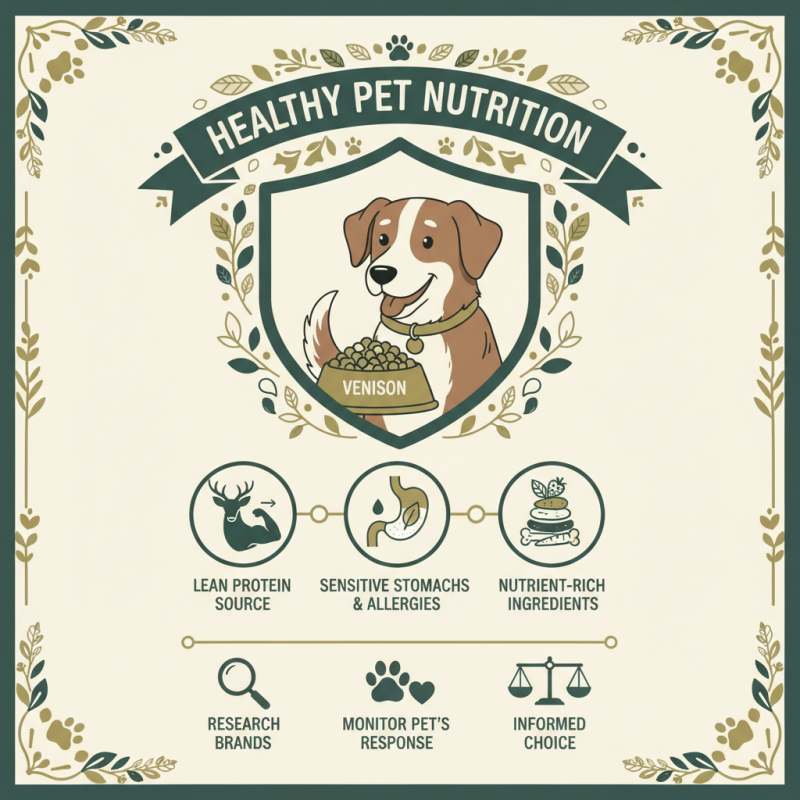
In recent years, venison dog food has gained popularity among pet owners seeking healthier options for their furry friends. This type of dog food offers a unique protein source that is often leaner than traditional meats. Venison is rich in nutrients and can be an ideal choice for dogs with sensitive stomachs or allergies. Many pet owners are turning to venison as a solution to their pets' dietary needs.
It’s essential to choose venison dog food from reputable brands, ensuring high-quality ingredients. Some products may contain fillers or by-products that can detract from their nutritional value. Understanding the specific needs of your dog, such as age, breed, and activity level, can help in selecting the best venison dog food.
As with any dietary change, monitoring your pet’s response is crucial. Some dogs may take longer to adapt to new foods. Observing their behavior and digestive health can guide adjustments. This approach fosters a more thoughtful and informed choice for pet nutrition, demonstrating a commitment to their overall well-being.
Understanding the Nutritional Benefits of Venison for Dogs
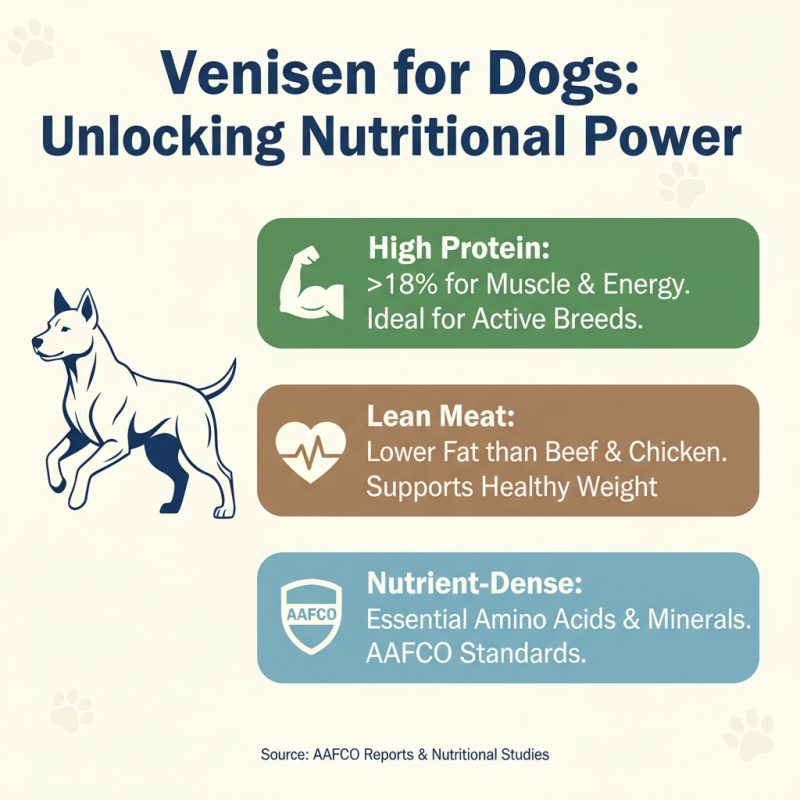
Venison is gaining popularity as a dog food option due to its rich nutritional profile. It's a lean meat, lower in fat than beef or chicken. Studies show that venison contains high levels of protein, essential for muscle maintenance and energy. A report by the Association of American Feed Control Officials (AAFCO) indicates that protein should make up at least 18% of a dog’s diet, especially for active breeds. Venison often exceeds this threshold, making it an excellent choice for energetic dogs.
Incorporating venison into a dog’s diet also provides essential vitamins and minerals. It is rich in B vitamins, which support metabolism and energy levels. Additionally, venison is high in iron, crucial for oxygen transport in the body. A recent nutrition analysis found that venison is particularly beneficial for dogs with food sensitivities. The unique protein source helps reduce allergic reactions while providing balanced nutrition. However, it’s important to ensure that venison meals are well-balanced with other nutrients.
While venison has numerous benefits, it’s essential to monitor your dog's reaction to new foods. Not every dog adapts well initially. A gradual introduction is key. Reflect on their health and improve diet accordingly. Always consult with a veterinarian before making significant changes to your dog's nutrition.
Key Ingredients to Look for in Venison Dog Food
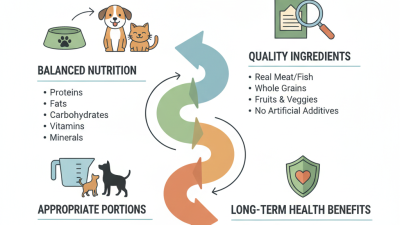
When choosing venison dog food, certain key ingredients stand out. Focus on high-quality protein sources. Venison is excellent, but other proteins should complement it. Look for ingredients like sweet potatoes or brown rice. These provide fiber and energy for active dogs.
Another important factor is the inclusion of healthy fats. Omega-3 and omega-6 fatty acids support skin and coat health. Ingredients like fish oil or flaxseed can bolster these benefits. Ensure the dog food is free from harmful additives. This maintains its nutritional integrity and prevents allergic reactions.
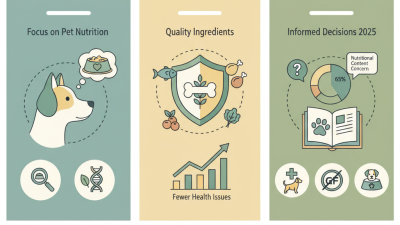
Consider the sourcing of venison. It's crucial that venison comes from reputable sources. Quality matters. It provides essential nutrients and prevents potential health issues. However, some dog owners may overlook this aspect. A little research can go a long way in ensuring your pet’s well-being. A common pitfall involves ignoring the balance of nutrients. Strive for a well-rounded diet, considering vitamins and minerals.
Top Brands Offering High-Quality Venison Dog Food
When it comes to choosing dog food, venison is a great option for many pets. Venison is lean, protein-rich, and often less allergenic than traditional meats. Many dog owners are now prioritizing this unique protein source. They want to provide their pets with high-quality nutrition.
Several brands focus on venison dog food, highlighting their commitment to using raw ingredients. These brands often source venison from sustainable farms, ensuring quality and ethical standards. Ingredients like sweet potatoes, carrots, and peas are common in these recipes, enhancing flavor and nutrients. It's important to check for natural preservatives and avoid artificial additives, as these can impact your dog's health.
Choosing the right venison dog food can feel overwhelming. It's essential to read ingredient labels carefully. Look for real meat as the first ingredient, but also consider your dog’s specific dietary needs. Consulting with a veterinarian can provide deeper insights. While venison is a healthier choice, not every blend works for every dog. Your furry friend's preferences may also vary.
Best Venison Dog Food Options for Healthy Pet Nutrition
| Brand |
Protein Content (%) |
Grain-Free |
Main Ingredient |
Suitable for Allergies |
Average Rating |
| Option A |
30 |
Yes |
Venison |
Yes |
4.8 |
| Option B |
28 |
No |
Venison Meal |
Yes |
4.5 |
| Option C |
32 |
Yes |
Venison and Pea |
No |
4.7 |
| Option D |
26 |
Yes |
Venison with Sweet Potato |
Yes |
4.6 |
| Option E |
29 |
No |
Venison and Rice |
No |
4.4 |
Comparing Venison Dog Food to Other Protein Sources
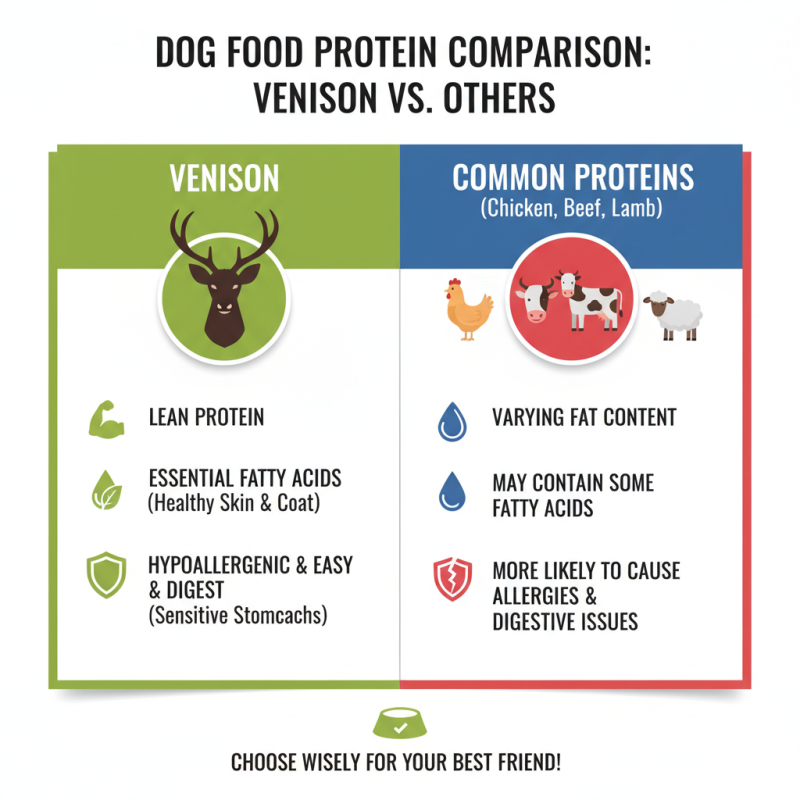
When comparing venison dog food to other protein sources, the nutritional value stands out. Venison is a lean meat, rich in protein and low in fat. It contains essential fatty acids that promote healthy skin and a shiny coat. This protein source is also less likely to cause allergies in dogs. Many pets digest venison easily, making it a great alternative for sensitive stomachs.
On the flip side, not all dogs may prefer the taste of venison. Some may turn up their noses at it, showing a clear preference for chicken or beef. It's essential for pet owners to observe their dog's reactions to different proteins. Choosing the right food can take time and trial. The sourcing of venison can also be a concern; it's vital to ensure it's ethically sourced. Understanding where your dog’s food comes from enhances trust in its quality. Exploring these factors can lead to a well-rounded meal plan for your furry friend.
Tips for Transitioning Your Dog to Venison-Based Diets
Transitioning your dog to a venison-based diet can be beneficial for their health. Venison is rich in protein and low in fat, providing a nutritious alternative to more common meats. According to a study from the Journal of Animal Science, venison is highly digestible, which is crucial for maintaining optimal gut health in dogs. However, some pets may require time to adjust to this new source of protein.
Gradual changes are essential. Mixing venison with your dog’s current food can help ease the transition. Start with a ratio of 25% venison to 75% of their regular diet. After a few days, you can increase the venison portion to 50%. This slow shift reduces the chances of digestive upset. It's also an opportunity to observe how your pet responds. Some dogs may develop preferences or show signs of allergies.
Monitoring your dog’s health during this period is crucial. Look out for reactions such as changes in stool quality or energy levels. According to a report by the American Kennel Club, some breeds are more sensitive to dietary changes. Regular check-ins with a veterinarian can provide insights tailored to your dog's specific needs. An informed transition is vital for long-term success with a venison-based diet.
Best Venison Dog Food Options for Healthy Pet Nutrition
This chart represents the nutritional benefits of various venison dog food options based on protein, fat, and fiber content per serving.