How to Choose the Best Dog Kibble for Your Pet's Health and Nutrition
Selecting the best dog kibble is crucial for ensuring the health and nutrition of our beloved pets. With a growing emphasis on pet wellness, research indicates that over 70% of dog owners are now more conscious about the ingredients in their pet's food. According to the American Pet Products Association (APPA), the United States pet food market is expected to reach $50 billion by 2024, highlighting the increasing demand for quality dog kibble that meets the nutritional needs of dogs.
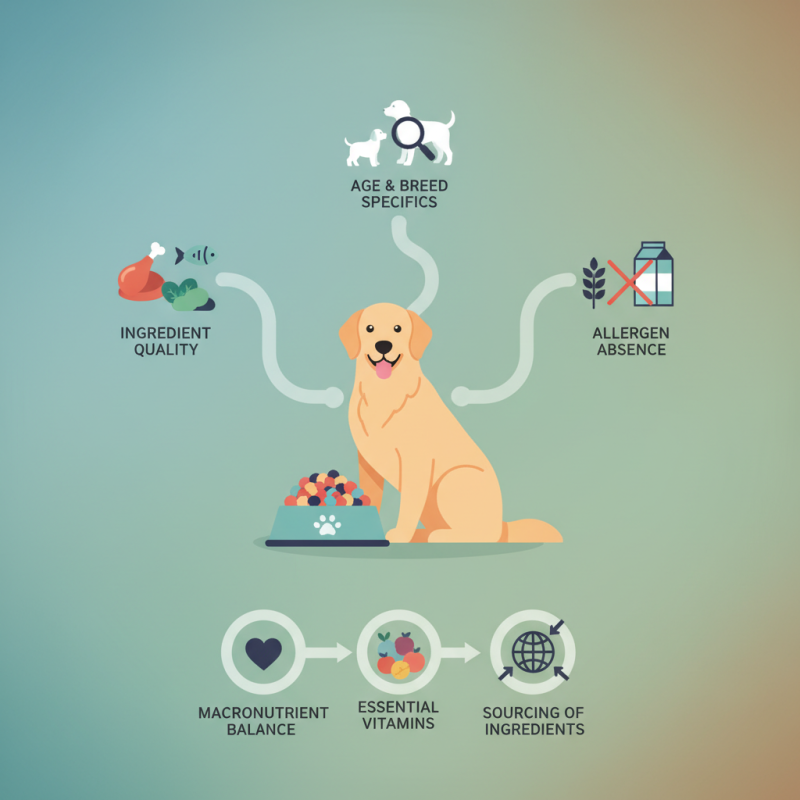
Dr. Jane B. Smith, a renowned veterinarian and pet nutrition expert, emphasizes the importance of choosing the right kibble: “A dog's diet is foundational to its overall health. Quality ingredients can prevent health issues and enhance longevity.” Her insight underlines the necessity for pet owners to be well-informed when selecting kibble. With a myriad of options available, it becomes imperative to consider factors such as ingredient quality, formulation specific to the dog's age and breed, and the absence of allergens.
In making the right choice, pet owners must navigate various factors, including the balance of macronutrients, the presence of essential vitamins, and the sourcing of ingredients. As we delve into the intricacies of dog kibble choices, let’s explore critical considerations that will help you provide the best nutrition for your canine companions.
Understanding Your Dog's Nutritional Needs
When choosing the best dog kibble for your pet, it's essential to first understand their unique nutritional needs. Dogs, like humans, require a balanced diet that includes proteins, fats, carbohydrates, vitamins, and minerals. The specific ratios of these nutrients will vary depending on a dog's age, activity level, breed, and overall health. For example, puppies generally need higher protein and fat content to support their rapid growth and energy levels, while older dogs may benefit from diets that are lower in calories yet packed with antioxidants to promote healthy aging.
In addition, certain breeds may have unique dietary requirements. Larger breeds often need food that supports their joint health, while smaller breeds may require kibble designed for smaller jaws to facilitate easier chewing. It's also crucial to consider any specific health conditions your dog may have, such as allergies or sensitivities, which can influence what ingredients are suitable. Ultimately, consulting with a veterinarian can provide personalized guidance tailored to your dog's nutritional needs, ensuring that you select kibble that enhances their overall well-being.
Key Ingredients to Look for in Dog Kibble
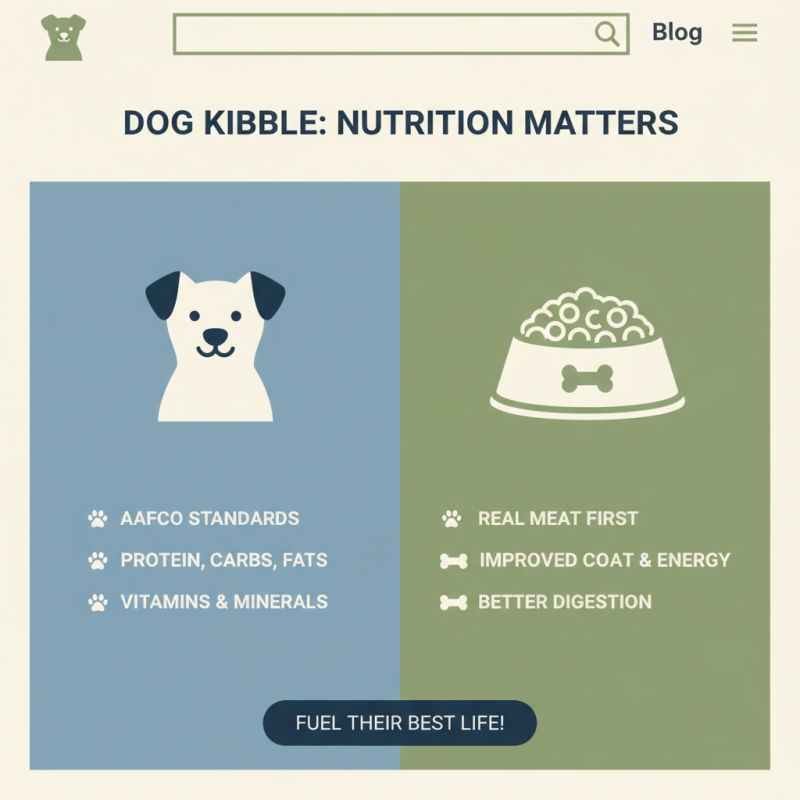
When selecting the best dog kibble for your pet, it’s essential to focus on key ingredients that contribute to their overall health and nutrition. High-quality dog kibble should begin with a protein source as the first ingredient, such as real meat or fish. According to a survey conducted by the Association of American Feed Control Officials (AAFCO), protein is vital not just for growth and maintenance but also for providing the energy necessary for an active lifestyle. Look for kibbles that contain a variety of protein sources to ensure a complete amino acid profile, which is integral for muscle development and repair.
In addition to protein, healthy fats play a significant role in your dog’s diet. Omega-3 and Omega-6 fatty acids, often derived from fish oil or flaxseed, are essential for promoting a healthy coat and skin, while also supporting brain function and reducing inflammation. A study from the Journal of Animal Science highlights that dogs receiving diets rich in these fatty acids show improved coat quality and a lower incidence of allergic skin reactions.
Tips: Always check the ingredient list for whole grains or gluten-free options as they provide necessary energy and fiber. Additionally, ensure the kibble includes fruits and vegetables, which can be a source of vitamins, minerals, and antioxidants that help boost your dog's immune system. By prioritizing these key components, you can make informed choices that align with your pet's specific health needs and lifestyle.
Avoiding Harmful Additives and Fillers in Dog Food
When selecting the best dog kibble for your pet, it is essential to pay close attention to the ingredients list, especially to avoid harmful additives and fillers. Many commercial dog foods include artificial preservatives, colors, and flavors that can negatively impact your dog's health over time. Ingredients like BHA, BHT, and ethoxyquin are commonly used to extend shelf life but may pose risks, including allergic reactions and potential long-term health issues. Opting for kibble that uses natural preservatives, such as vitamins E and C, is a safer and healthier choice for your furry friend.
Fillers are another critical factor to consider when choosing dog food. Common fillers, such as corn, wheat, and soy, provide little nutritional value and can lead to digestive issues or food sensitivities in some dogs. Instead, look for whole grains like brown rice or quinoa, which offer more nutritional benefits without compromising your pet’s health. Additionally, high-quality kibble should list meat or meat meal as the first ingredient, ensuring your dog receives adequate protein to support their energy levels and overall well-being. By being diligent in your selection process, you can significantly enhance your dog's nutrition and health while minimizing the risk of exposure to harmful additives.
Evaluating Different Brands and Their Formulations
When evaluating different dog kibble brands and their formulations, pet owners should pay close attention to the nutritional quality and ingredient sourcing. According to the Association of American Feed Control Officials (AAFCO), a well-balanced dog food should include a mix of protein sources, carbohydrates, fats, vitamins, and minerals. Look for brands that provide specific percentages of these macronutrients, ensuring that the kibble meets the recommended dietary needs for your dog’s age, size, and activity level. Recent studies reveal that dogs fed high-quality kibbles with real meat as the primary ingredient showcase improved coat health, increased energy, and better digestion.
When choosing a kibble, consider the ingredient list carefully. High-quality brands often focus on whole ingredients and avoid fillers like corn, wheat, and soy. Additionally, it's beneficial to look for formulations that include probiotics, as studies published in veterinary nutrition journals highlight their role in promoting gut health and enhancing the immune system.
**Tips:** Take time to compare the guaranteed analysis of different brands to ensure that the protein content is appropriate for your dog's needs. Consulting your veterinarian can also help guide you in choosing a formula that supports your pet's unique health considerations. Regularly reassess your dog's condition and adaptability to the diet, as individual responses may vary with different formulations.
Tips for Transitioning Your Dog to New Kibble
Transitioning your dog to a new kibble can be a delicate process,
as sudden changes in diet may upset their stomach or lead to other digestive issues. It is essential to
introduce the new kibble gradually to help your pet adjust and to assess how they react to the change. One
effective method is to mix a small amount of the new kibble with their current food. Begin with a ratio of
about 25% new kibble to 75% old kibble for the first few days. Observe your dog
for any signs of discomfort, such as vomiting or diarrhea.
After monitoring your dog's response, gradually increase the proportion of new kibble. Transition to a
50/50 mix for a few days, and if everything goes smoothly, move to 75% new kibble
and 25% old kibble. This slow approach typically takes about a week to ten days, but
it may vary depending on your dog's sensitivity. Keep an eye on their appetite and energy levels throughout
the transition period, and be prepared to slow down the process if needed.
Remember, patience is key, and ensuring a smooth transition can help maintain your dog's health and happiness.