How to Choose the Best High Protein Dog Food for Your Pet's Health?
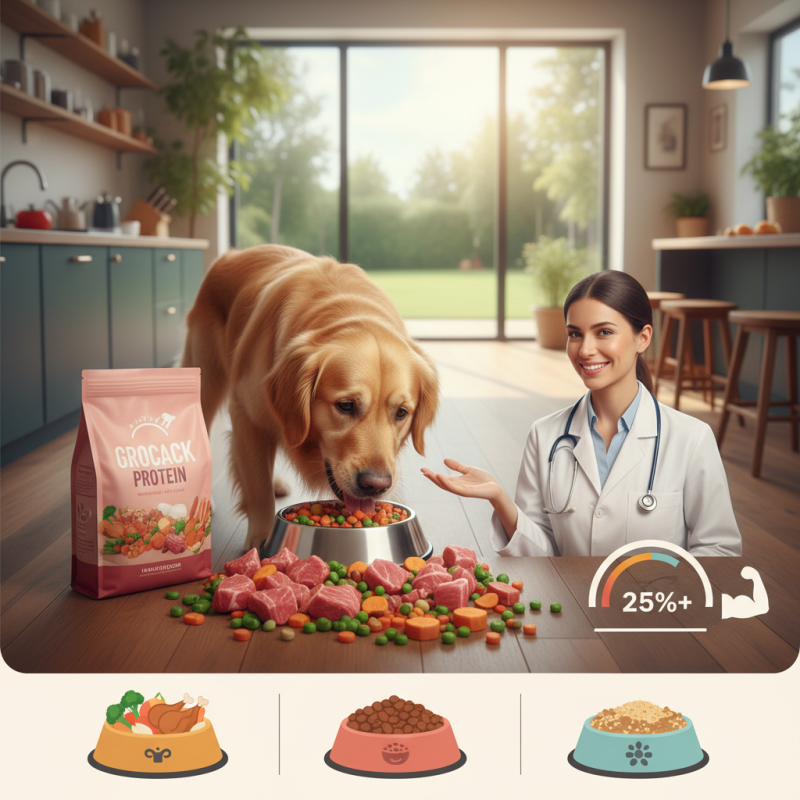
Choosing the right high protein dog food is vital for your pet's health. Recent studies show that protein-rich diets can support muscle development and overall vitality. According to a report by the Pet Food Institute, protein should make up at least 25% of a dog's diet for optimal health.
Dr. Lisa Freeman, a veterinary nutritionist, emphasizes, "High protein dog food can play a key role in maintaining your dog's strength and energy." Dogs, especially active breeds, require diets rich in high-quality protein for peak performance. However, pet owners often overlook ingredient sourcing, which can impact food quality.
While high protein options are abundant, not all are created equally. The market can be overwhelming. Some brands may include fillers that don't contribute to your pet’s needs. It's essential to read labels carefully and assess each product's nutritional value. Reflecting on your dog's specific requirements will help in making an informed decision.
Understanding the Importance of High Protein in Dog Nutrition
Understanding the importance of high protein in dog nutrition is crucial for every pet owner. Protein forms the building blocks of your dog's body. It supports muscle growth, repair, and overall health. A diet rich in protein can also improve energy levels. Dogs need stamina for play and exercise. High protein foods can aid in maintaining a healthy weight.
Not all protein sources are equal. It's essential to vary the sources, such as meat, fish, and eggs. Each source provides different amino acids. However, not every dog can digest certain proteins well. Some pets may have allergies or sensitivities. Monitoring your dog's reactions after changing their diet can offer insights.
Choosing high protein food requires care. Consult with a veterinarian before making any significant changes. Keep an eye on your dog's activity level and weight. If they seem sluggish or overweight, reevaluate their diet. Sometimes, the best intentions lead to less than ideal choices. Finding the right balance is often an ongoing process.
Identifying Your Dog’s Specific Protein Requirements by Age and Breed
Choosing the right high-protein dog food can be challenging. Each dog is unique. Their protein needs vary based on age and breed.
Puppies require more protein to support growth. Adult dogs need moderate levels for maintenance. Older dogs might need less protein. Still, it is essential to maintain muscle health.
For puppies, look for foods rich in protein. Ingredients like chicken, fish, and beef are excellent.
A growing dog may also benefit from higher calories and essential fats. You might notice some pups have sensitive stomachs. Adjustments may be needed.
Consider your dog’s breed as well. Active breeds may need more protein than others. Smaller breeds can sometimes thrive on slightly lower protein.
Always consult with a vet for tailored recommendations. This simplifies the decision-making process.
Remember that consistency is key. It may take time to find the right fit for your pet. Keep an eye on their energy and overall health; these clues are vital.
Evaluating Protein Sources: Animal vs. Plant-Based Ingredients
When evaluating protein sources for dog food, it's essential to understand the difference between animal and plant-based ingredients. Animal proteins, such as chicken and beef, offer complete amino acids. These are the building blocks for your dog’s muscle and tissue health. Meanwhile, plant-based proteins, like peas and lentils, also have benefits. They can provide fiber and additional nutrients. However, they may lack certain essential amino acids.
Consider your dog’s specific needs. Some dogs have allergies or sensitivities to certain animal proteins. In these cases, a plant-based protein might be a better option. Yet, you must ensure it meets their nutritional requirements. It can be a challenge to balance these options effectively.
The quality of the protein sources is vital. Many pet foods may include low-quality fillers, which can impact overall health. To make an informed choice, read labels carefully. Look for whole food ingredients rather than those that sound overly processed. The choice you make impacts your dog's longevity and vitality. Your reflection on these choices matters greatly.
How to Choose the Best High Protein Dog Food for Your Pet's Health? - Evaluating Protein Sources: Animal vs. Plant-Based Ingredients
| Protein Source |
Type |
Protein Content (% per serving) |
Amino Acid Profile |
Digestibility |
| Chicken Meal |
Animal |
60 |
Complete |
High |
| Salmon |
Animal |
25 |
Complete |
High |
| Lentils |
Plant |
25 |
Incomplete |
Moderate |
| Pea Protein |
Plant |
50 |
Incomplete |
High |
| Beef |
Animal |
26 |
Complete |
High |
Reading Dog Food Labels: Key Nutritional Information to Consider
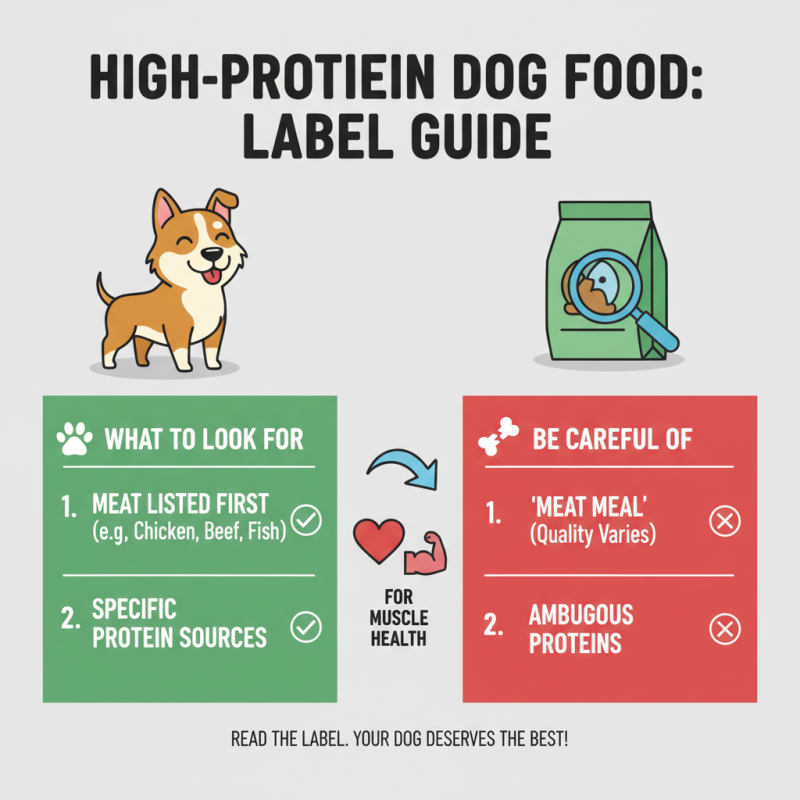
When selecting high-protein dog food, understanding the nutritional label is crucial. Look for specific protein sources listed first. It's better if the label mentions meat as the primary ingredient. This ensures that your dog receives quality protein essential for muscle health. Sometimes, words like "meat meal" can cause confusion. This term may sound appealing, but the quality can be inconsistent.
Check the protein percentage and the type of protein used. High-quality protein options include chicken, lamb, or fish. These ingredients provide essential amino acids. However, be cautious. Not all protein is created equal. Some brands may list plant protein sources, which are less beneficial for dogs. Also, watch for fillers. Ingredients like corn and soy might not add the nutrition your pet needs.
Another point to consider is the fat content in the food. Healthy fats are important, but excessive amounts can lead to weight gain. Read carefully. Look for sources of omega-3 and omega-6 fatty acids. They support skin and coat health. Remember, what works for one dog may not be ideal for another. Each dog has unique dietary needs. This makes it essential to evaluate how your pet responds to specific foods over time.
Comparing Leading High Protein Dog Food Brands: A Data-Driven Approach
When selecting high protein dog food, understanding the choices available is essential. Many brands market themselves as high protein, but not all are created equal. It's crucial to examine the ingredients closely. Look for real meat at the top of the list. This indicates a quality source of protein. Research shows that dogs thrive on a diet rich in animal protein.
Analyzing leading brands can reveal surprising differences. Some food may boast high protein levels but use fillers. Others might prioritize nutrient balance. Consider comparing protein sources. Some brands use chicken, while others rely on fish or lamb. Each source offers different benefits. A well-rounded diet should include a variety of proteins.
Don't forget about your dog's unique needs. Larger breeds require different nutrition than smaller ones. Additionally, age and activity levels play a significant role in dietary needs. Reflect on your dog's health. A high protein diet can help, but it may not be for every pet. Sometimes, finding the right balance requires trial and error. Pay attention to how your dog responds over time. Signs of improvement or decline can guide your choice.