How to Choose Fresh Food for Your Dog and Keep Them Healthy?
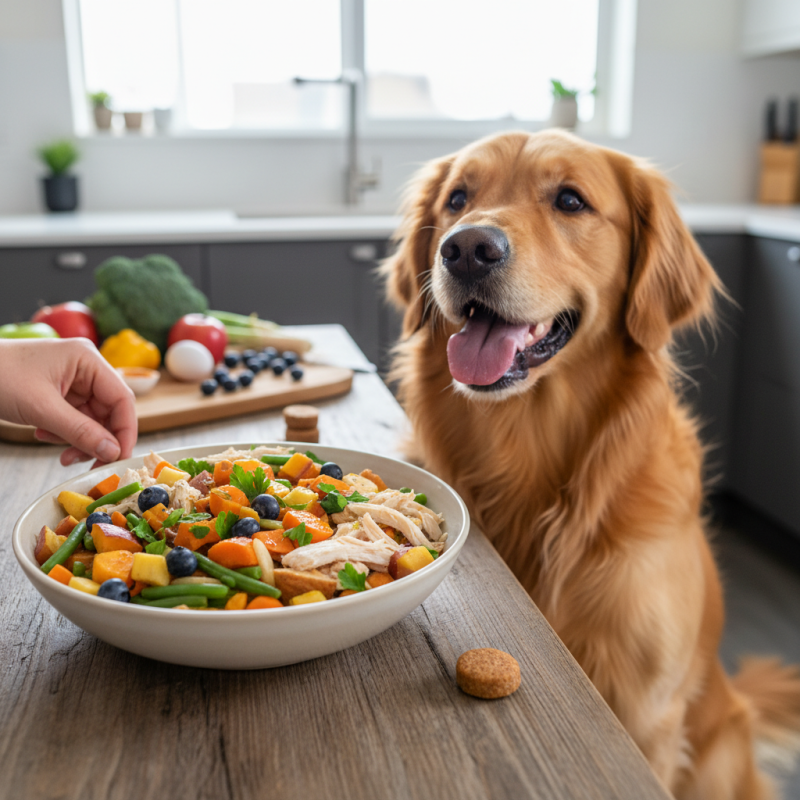
Choosing fresh food for your dog is essential for their overall health. Many pet owners overlook the importance of diet. A balanced meal can lead to a happier, more energetic pet. Fresh food dog options are becoming more popular. They provide better nutrients than processed foods.
When selecting fresh food for your dog, consider their age and health needs. Puppies require different nutrients than senior dogs. You may need to experiment with various options. Some dogs may have allergies or sensitivities that you must be cautious about. It is not always easy to find the right balance.
Cooking at home might seem daunting, but it can be rewarding. Remember that fresh food dog diets can pose challenges. Meals must be well-rounded to avoid deficiencies. Keep track of your dog's reaction to new foods. Monitoring their energy and coat condition will help. Adjustments may be necessary to achieve the best results.
Understanding Your Dog's Nutritional Needs
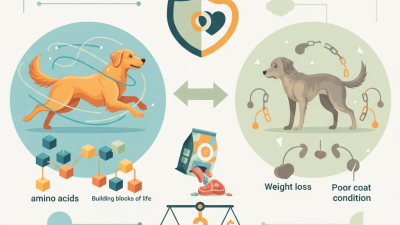
Understanding your dog’s nutritional needs is crucial for their overall health. Dogs are omnivores, meaning they require a balanced diet of proteins, fats, carbohydrates, vitamins, and minerals. According to the Association of American Feed Control Officials (AAFCO), a well-rounded diet should contain at least 18% protein for adult dogs and 22% for puppies. These percentages can guide you when evaluating food options.
However, not all dog foods provide the same level of nutrition. Many commercial dog foods are packed with fillers. These ingredients offer little nutritional value. It’s important to read labels carefully. Fresh food can also be a good alternative. Incorporating lean meats, vegetables, and grains can boost your dog’s health. A report from the World Canine Health Survey indicated that 67% of dog owners noticed improved energy levels after switching to fresh diets.
Additionally, many dogs are prone to specific health issues. Some breeds are susceptible to obesity, diabetes, or allergies. Tailoring their diet according to these needs is essential. Regularly consulting with a veterinarian can help create a balanced, health-focused meal plan. However, this requires effort and reflection on your part. If your dog seems unwell, it might be time to rethink their food choices.
Identifying Fresh Food Options for Dogs
When choosing fresh food for your dog, consider various options that promote health. Look for whole ingredients like meats, vegetables, and grains. Fresh chicken or beef can be great protein sources. Add leafy greens and carrots for essential vitamins. Avoid processed food high in preservatives.
Keep it simple. Sometimes it's okay to mix different foods. For example, combine rice with lean ground turkey. Monitor how your dog responds to these mixtures. Some dogs might not like certain foods. Be patient and observe their reactions.
It's important to read labels carefully. Fresh food should contain minimal additives. When in doubt, ask your vet for advice. Remember, every dog has unique dietary needs. What works for one may not work for another. Don't rush the process; adjust based on your dog's preferences.
Evaluating Quality of Ingredients in Dog Food
Choosing quality ingredients is essential for your dog’s health. Pet food quality impacts overall wellness and longevity. According to a study by the Association of American Feed Control Officials (AAFCO), 70% of pet owners are concerned about the quality of ingredients. Fresh food can provide better nutrients compared to highly processed options.
When evaluating dog food, look for specific meat sources as the primary ingredients. Proteins like chicken, beef, or lamb should be listed first. Avoid vague terms such as "meat meal" or "by-products." These can hide lower-quality content. A report from Pet Food Institute highlights that whole foods often have higher digestibility, leading to improved nutrient absorption.
Tips: Always check for certification labels. Look for foods endorsed by veterinary nutritionists. Consider a nutritional analysis for any fresh food. Each dog’s needs vary, so it's wise to consult a veterinarian. Keep in mind, not every recommended ingredient is right for every dog. Listen to your pet’s responses to dietary changes and adjust accordingly. Small changes can have big effects.
How to Choose Fresh Food for Your Dog and Keep Them Healthy? - Evaluating Quality of Ingredients in Dog Food
| Ingredient |
Quality Rating |
Nutritional Benefits |
Common Sources |
| Chicken |
High |
High protein, essential amino acids |
Farm-raised, Fresh |
| Sweet Potatoes |
Medium |
Rich in vitamins A and C, fiber |
Local Farms |
| Brown Rice |
High |
Easily digestible carbohydrates |
Whole grain sources |
| Carrots |
Medium |
Good for vision, low calorie |
Organic farms |
| Fish Oil |
High |
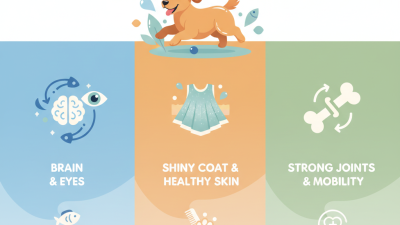
Supports healthy skin and coat |
Sustainable fisheries |
Storing and Handling Fresh Food Safely
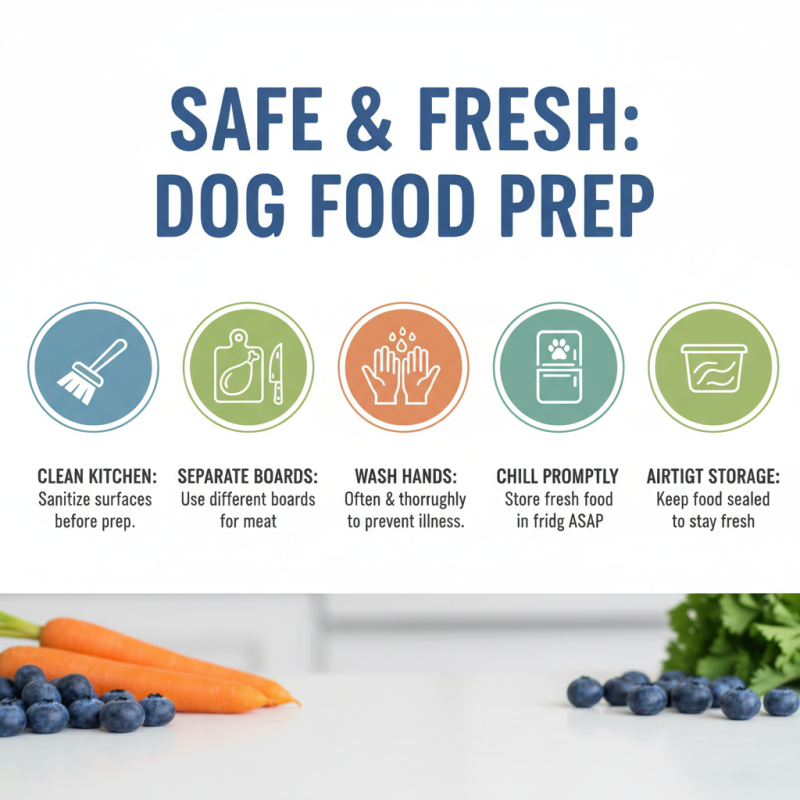
Storing and handling fresh food for your dog requires careful attention. Begin by ensuring your kitchen is clean before preparation. Bacteria can easily spread, especially on countertops. Always use separate cutting boards for meat. This reduces cross-contamination risks significantly. Wash your hands frequently. It might seem unnecessary, but it’s crucial in preventing illness.
Once prepared, fresh food needs proper storage. Use airtight containers to keep moisture and air out. Label containers with dates for tracking freshness. It’s easy to forget how long food has been stored. Avoid leaving food out for hours. The temperature can rise, creating a breeding ground for bacteria. Remember, your dog's health depends on safety and hygiene.
Reflection is important, too. Evaluate the techniques you use for storage. Do you sometimes forget to check expiration dates? It’s a common issue. Regularly cleaning your storage areas is another aspect to consider. A clean space promotes better health for your pet. Ultimately, a few small changes in how you handle fresh food can make a big difference in your dog’s well-being.
Monitoring Your Dog's Health After Dietary Changes
Monitoring your dog's health after dietary changes is crucial. Research shows that around 30% of dog owners report digestive issues when switching foods. Pay close attention to any symptoms such as vomiting, diarrhea, or lethargy. Keeping a journal of your dog’s daily habits can be helpful. This way, you’ll notice any changes over time.
Tips: Gradually introduce new food into their diet. Mixing it with old food can ease the transition. The American Kennel Club suggests a 7 to 10-day period for switching food. Observe your dog closely during this time. Also, be aware that not every food works for every dog. What suits one dog may not suit another.
Monitoring your dog's weight is important, too. The Association for Pet Obesity Prevention states that 60% of dogs in the US are overweight. This affects their overall health. If you notice rapid weight loss or gain, consult a veterinarian. Regular weigh-ins can help keep your pet in a healthy range. Remember, small changes can lead to significant results over time.
Monitoring Your Dog's Health After Dietary Changes