How to Choose Healthy Pet Food for Your Furry Friend's Wellbeing
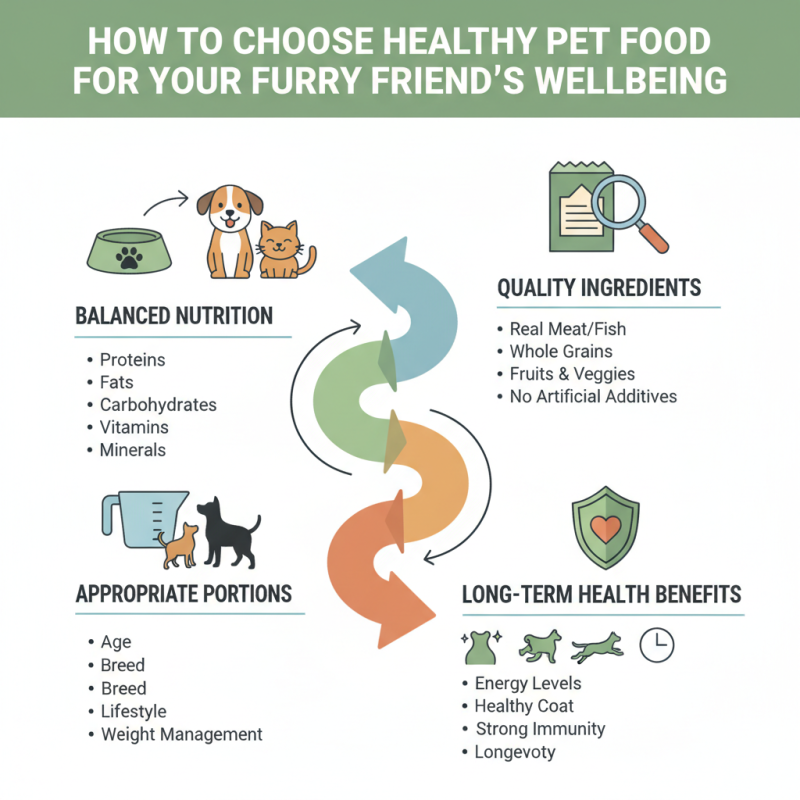
Choosing the right food for your furry friend is crucial to ensuring their health and overall wellbeing. With so many options available in the market, understanding what constitutes healthy pet food can be overwhelming for pet owners. Healthy pet food goes beyond simply filling a bowl; it encompasses a balance of essential nutrients, quality ingredients, and appropriate servicing sizes tailored to your pet's specific needs. This decision plays a significant role in management of their weight, energy levels, and long-term health, impacting everything from their coat condition to their longevity.
In your quest to find the healthiest options for your companion, it's important to equip yourself with knowledge about dietary requirements based on your pet's age, breed, and lifestyle. This not only helps in making informed choices but also in recognizing potentially harmful ingredients that may sneak into seemingly healthy pet food products. As you delve into the world of pet nutrition, consider how factors like protein sources, the presence of fillers, and the balance of vitamins and minerals can influence your pet's health. By prioritizing healthy pet food, you are taking a significant step towards enhancing their quality of life and ensuring they thrive in your care.
Factors to Consider When Selecting Healthy Pet Food for Your Pet
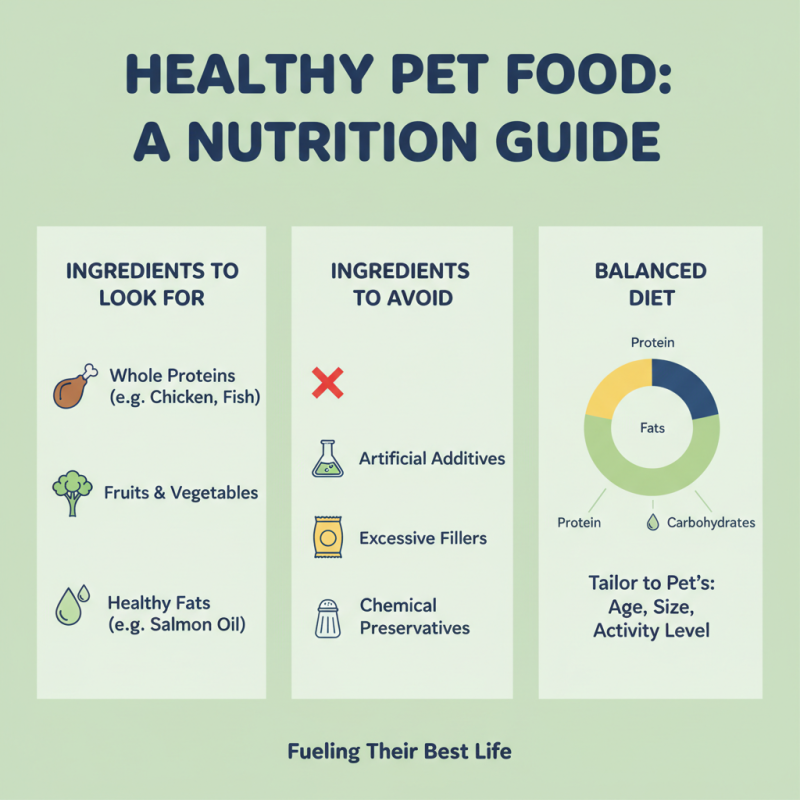
When selecting healthy pet food, it's crucial to consider several key factors that can significantly impact your furry friend’s wellbeing. First and foremost, examine the ingredients list. Look for whole, recognizable foods that are rich in nutrients, such as high-quality proteins, fruits, and vegetables. Avoid products with excessive fillers, artificial additives, or preservatives, as these can contribute to health issues over time. A balanced diet should provide the right proportion of proteins, fats, and carbohydrates tailored to your pet's specific needs based on their age, size, and activity level.
Nutritional adequacy is another essential aspect to evaluate. Ensure that the food you choose meets the nutritional standards set by reputable pet food organizations. Checking for certification or feeding trials can give you confidence in the product's quality. Additionally, pay attention to any special dietary requirements your pet may have, such as allergies or sensitivities. Consulting with a veterinarian can provide valuable insights into suitable food options that address your pet’s unique health concerns. By thoroughly researching and considering these factors, you'll be well-equipped to choose the healthiest pet food for your beloved companion.
Understanding Nutritional Needs of Different Pet Breeds and Ages
When selecting healthy pet food, it is essential to consider the specific nutritional needs of different breeds and ages. Each breed has its unique characteristics, which influence its dietary requirements. For example, larger breeds may require diets that support joint health and maintain an appropriate weight to avoid excess strain on their bones. In contrast, smaller breeds may benefit from higher calorie content due to their faster metabolisms.
Additionally, certain breeds may have predispositions to health issues, such as skin sensitivities or gastrointestinal problems, which can dictate the type of food that is best suited for them.
Age also plays a crucial role in determining the right diet for your pet. Puppies and kittens require nutrient-dense food to support their rapid growth and development, including higher levels of protein and fat compared to adult pets. As pets age, their dietary needs shift again; senior pets often need food that is lower in calories to prevent obesity, yet still rich in fiber to aid digestion. Moreover, older pets may benefit from added supplements like omega fatty acids for healthy skin and joints.
Understanding these nuances ensures that your furry friend receives the appropriate nutrition at every life stage, contributing to their overall wellbeing.
Common Ingredients in Healthy Pet Food: What to Look For and Avoid
When selecting healthy pet food for your furry friend, understanding the common ingredients is crucial. Look for high-quality protein sources such as chicken, beef, or fish, which are essential for your pet's muscle development and overall health. These proteins should ideally be listed as the first ingredient on the label. Additionally, wholesome grains like brown rice or oats can provide the necessary carbohydrates for energy, making them a beneficial addition to your pet's diet.
However, it's equally important to avoid certain ingredients that can be harmful. Stay away from foods containing fillers such as corn or soy, which offer little nutritional value. Artificial preservatives, colors, and flavors should also be avoided, as they can lead to health issues over time. Instead, opt for pet foods that use natural preservatives like Vitamin E or C, ensuring a safer choice for your pet’s diet.
Tips: Always read the ingredient list carefully. Choose foods with a short ingredient list, as this often indicates a higher quality product. When trying a new food, introduce it gradually over a week to prevent digestive upset, and observe your pet for any signs of allergies or sensitivities. Keeping informed about what goes into your pet's food can greatly enhance their overall wellbeing and happiness.
The Role of Certifications and Standards in Pet Food Quality
Choosing healthy pet food for your furry friend is crucial for their overall wellbeing, and understanding the role of certifications and standards can help in making informed decisions. Pet food certifications, such as those provided by the Association of American Feed Control Officials (AAFCO), ensure that products meet specific nutritional guidelines. These certifications often indicate whole, balanced diets that will support your pet's health. Look for labels that specify complete and balanced meals, which means they contain all essential nutrients your pet needs based on their life stage.
Tips: When shopping for pet food, prioritize brands that display trusted certifications. Research their compliance with safety and health standards, and consider how the ingredients contribute to a balanced diet. Checking for third-party testing can also provide reassurance about the quality and safety of the food you choose.
In addition to certifications, pay attention to the ingredient list. Whole foods, such as real meats, vegetables, and grains should be the primary components, and avoid products with vague terms like "meat by-products" or artificial additives. Quality standards help ensure that your pet's food is manufactured safely and sustainably, protecting both their health and the environment.
Tips: Familiarize yourself with the common ingredients known to be beneficial for your pet's health, and steer clear of fillers that offer little nutritional value. Always consult with a veterinarian to tailor your pet's diet to their individual health needs.
How to Read and Interpret Pet Food Labels for Better Choices
When selecting pet food, understanding how to read and interpret labels is crucial for ensuring your furry friend's wellbeing.
Pet food labels are required to list various nutritional information, but they can be misleading without proper knowledge.
According to the Association of American Feed Control Officials (AAFCO), a comprehensive nutritional breakdown should include crude protein, crude fat, crude fiber, moisture, and essential vitamins and minerals.
By focusing on these components, pet owners can make informed decisions about the quality and balance of the diet they are providing.
Moreover, the ingredient list is another vital element of pet food labels. Ingredients are usually listed in descending order by weight, and understanding this order can help identify whether the food is made with quality protein sources or fillers.
The Pet Food Institute emphasizes the importance of using whole food ingredients to promote optimal health.
For instance, a study published by the Journal of Animal Science suggests that diets rich in high-quality proteins and healthy fats can improve pets' overall health and longevity.
By scrutinizing both the ingredient list and guaranteed analysis on the label, pet owners can choose foods that not only cater to their pet's nutritional needs but also support long-term wellbeing.