How to Choose the Best Dry Dog Food for Your Pet?
Choosing the best dry dog food for your pet can be a daunting task. With the vast options available, it's crucial to make an informed choice. According to the Association of American Feed Control Officials (AAFCO), a balanced diet is essential for a dog's overall health. Dry dog food, known for its convenience and shelf stability, plays a vital role in dog nutrition.
Research indicates that 60% of dog owners prioritize meat as the primary ingredient in their dog's diet. Yet, many dog foods market themselves as healthy without meeting essential nutritional standards. Over time, low-quality ingredients can lead to health issues. Issues like obesity and allergies are often linked to improper diets. Pet owners must scrutinize labels and understand what they feed their pets.
Moreover, it's vital to consider your dog's unique needs. Age, size, and activity level all influence dietary requirements. Finding the right dry dog food requires a balance of nutrients, not simply marketing claims. This can be overwhelming for owners. A thoughtful selection process can prevent long-term health problems for your furry friend. Remember, the right food can make a significant difference in your pet's life.
Understanding Your Dog's Nutritional Needs
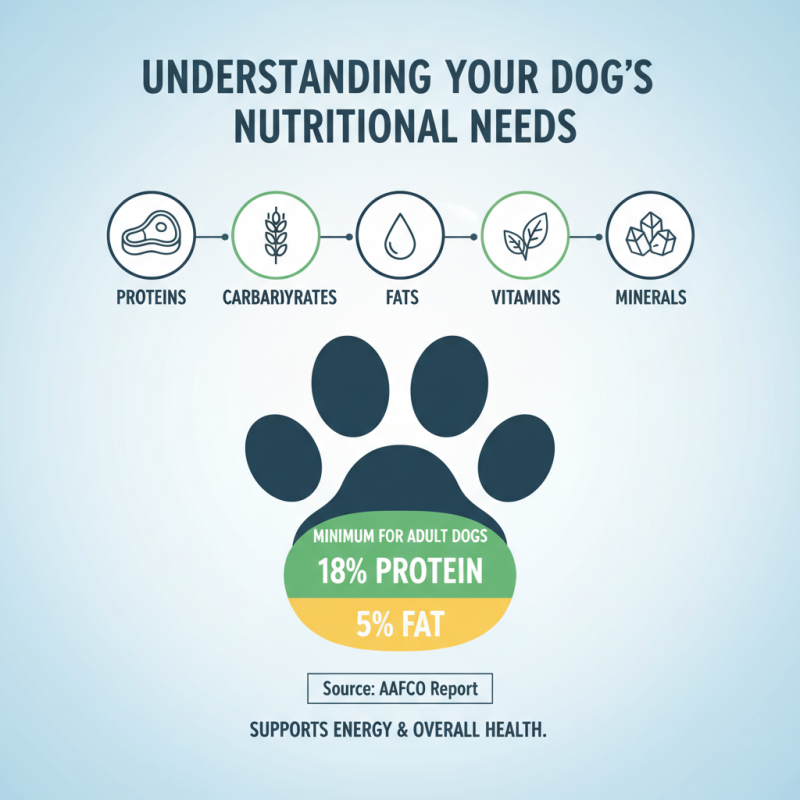
Understanding your dog's nutritional needs is crucial. Dogs require a balanced diet that includes proteins, carbohydrates, fats, vitamins, and minerals. According to a report from the Association of American Feed Control Officials (AAFCO), a dog's food should have at least 18% protein and 5% fat for adult maintenance. This balance supports their energy levels and overall health.
Many owners overlook specific dietary requirements. For example, certain breeds may need more protein due to their activity levels. A Labrador might thrive on a high-protein diet, while a smaller breed may need fewer calories. The Pet Food Institute highlights that about 70% of pet owners are unaware of their dog’s unique nutritional needs. Ignoring this aspect can lead to obesity or malnutrition.
Additionally, age and health conditions play vital roles. Puppies require more calories and specific nutrients for growth, while older dogs may need fewer calories but more fiber. The World Small Animal Veterinary Association indicates that pets with health issues often have specialized dietary needs. Without proper care in selecting dry dog food, pet owners risk negatively impacting their dog's health.
Evaluating Ingredients in Dry Dog Food
When evaluating ingredients in dry dog food, start by checking the protein source. Look for named meats, such as chicken or beef. Meats should be the first ingredient listed. Avoid vague terms like "meat by-products." These can contain low-quality sources. A good protein source is crucial for your dog's health.
Next, consider the carbohydrates. Ingredients like brown rice and sweet potatoes are excellent choices. They provide energy and fiber. It's best to avoid foods with excessive fillers such as corn and soy. These may not fulfill your dog's nutritional needs.
Don’t overlook the presence of fruits and vegetables. Ingredients like blueberries and carrots offer vitamins and antioxidants. However, some brands may not include enough of these beneficial ingredients. Remember, proper balance is essential. Observe how your dog reacts to different foods. Sometimes, what works for one dog may not suit another.
Choosing the Right Kibble Size and Texture
Choosing the right kibble size and texture is crucial for your dog's health. Different dogs have unique needs. A tiny dog may struggle with large kibble, while a big dog might need a more substantial bite. Observe your pet’s chewing habits. If they gulp down food, consider smaller pieces. Larger kibbles can encourage chewing, benefiting dental health.
Texture plays a role too. Some dogs prefer crunchy bites, while others enjoy softer options. Wet food mixed with dry kibble can appeal to picky eaters. Watch for any signs of discomfort or dissatisfaction. If your dog takes too long to eat, it might not like the texture. Try experimenting with a few options.
Ultimately, seeking the right balance is key. There’s no one-size-fits-all solution. Your dog may need time to adjust. Reflect on their energy levels and overall health. Every pet is different, and what works for one may not work for another. Keep an open mind and be ready to make adjustments.
How to Choose the Best Dry Dog Food for Your Pet? - Choosing the Right Kibble Size and Texture
| Kibble Size |
Recommended Dog Sizes |
Texture |
Benefits |
| Small (around 0.5 cm) |
Toy Breeds (e.g., Chihuahua, Pomeranian) |
Crispy |
Easier for small mouths to chew; minimizes choking hazards. |
| Medium (around 1 cm) |
Medium Breeds (e.g., Beagle, Bulldog) |
Crunchy |
Provides dental benefits; keeps teeth clean; suitable for moderate chewing. |
| Large (around 1.5 cm) |
Large Breeds (e.g., Labrador, Rottweiler) |
Firm |
Promotes slower eating; reduces the risk of bloat; satisfies larger appetites. |
| Mixed Sizes |
All Sizes |
Varied |
Engages dogs by providing variety; encourages chewing and enjoyment. |
Assessing Brand Reputation and Quality Standards
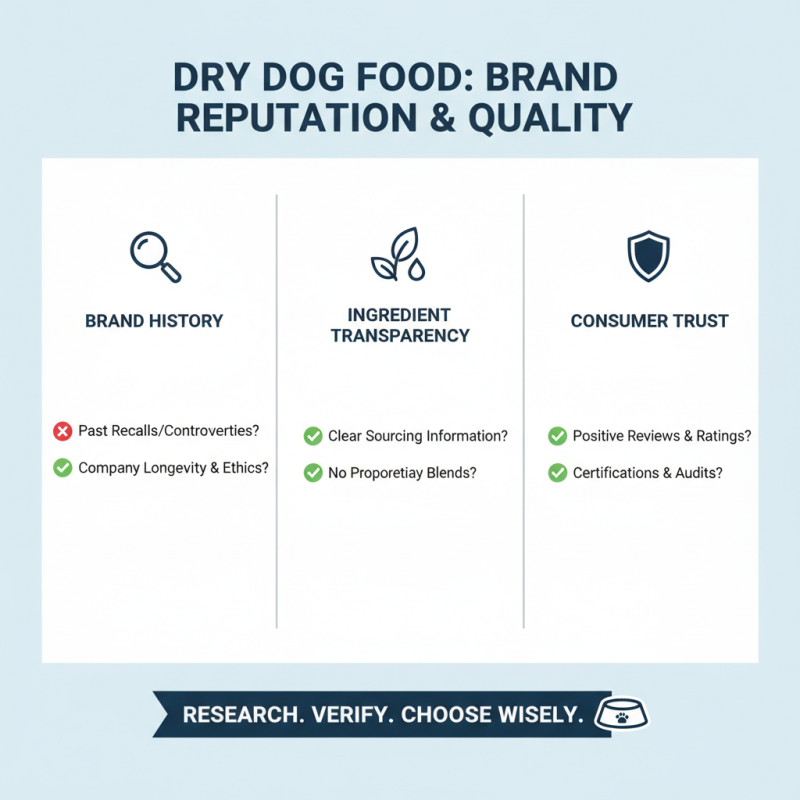
When choosing dry dog food, assessing brand reputation is vital. Researching the brand's history can offer insights. Check for any past recalls or controversies. Transparency in sourcing ingredients is crucial too. Brands that provide clear information tend to be more trustworthy.
Tips for assessing quality standards: Look for brands that follow strict quality control measures. Third-party testing adds an extra layer of assurance. Ask yourself: Do they employ veterinarians or pet nutritionists? Their involvement often enhances product quality.
Another essential factor is ingredient sourcing. High-quality brands prioritize real meat and whole foods. Avoid brands with vague terms like 'meat by-products.' These ingredients may lack the necessary nutrition. A good diet should consist of balanced proteins, fats, and carbs. After all, what’s in the bag matters. Reflect on the choices available. Not all brands meet high standards, and your dog's health is worth the effort.
Considering Your Dog's Age, Size, and Activity Level
When choosing dry dog food, consider your dog's age, size, and activity level. Puppies require more protein and calories. They are growing and need nutrients to support their development. Adult dogs, depending on their size, have different needs as well.
Large breeds may need fewer calories than small breeds, but their diet should still be rich in nutrients.
Activity level also plays a vital role. Active dogs need higher energy food. Their metabolism is faster, requiring more calories. On the other hand, less active dogs may gain weight if fed the same food. Adjust portion sizes accordingly. Observe your dog's condition and energy levels.
It’s important to read the ingredients. Quality matters. Sometimes, what seems like a good choice can be misleading. A label may promise high protein but contain low-quality sources. Reflect on your choices and consider your dog's unique needs. Balancing all these factors ensures a healthier, happier pet.