How to Choose the Best Puppy Dog Food for Your New Puppy?
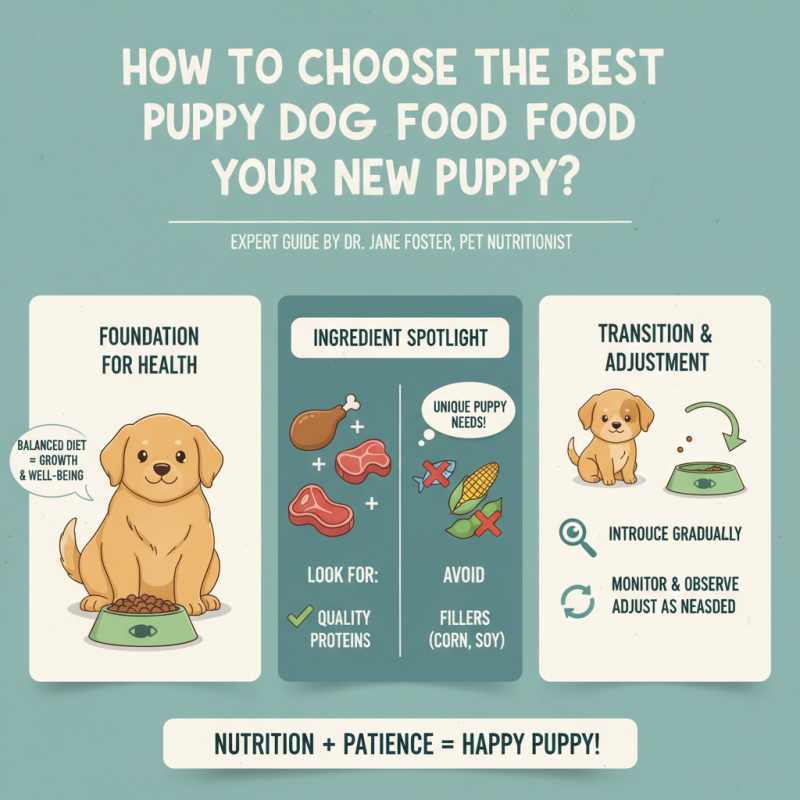
Choosing the right puppy dog food is crucial for your new puppy’s health. Renowned pet nutritionist Dr. Jane Foster states, “The right food can shape your puppy’s future.” Providing a balanced diet sets the foundation for growth and long-term well-being.
When selecting puppy dog food, consider the ingredients carefully. Look for quality proteins like chicken or beef. Avoid fillers like corn or soy, which offer little nutritional value. Puppies have unique needs that differ from adult dogs. Their food should cater to these demands to support development.
Transitioning to new puppy dog food can be tricky. Some puppies may resist changes, and keep that in mind. Monitor your puppy's response to new food closely. It takes time to find what suits them best. Proper nutrition is essential, but it's also about observing and adjusting as necessary.
Understanding Your Puppy's Nutritional Needs
When selecting puppy food, understanding their nutritional needs is vital. Puppies experience rapid growth and require specific nutrients. A study from the Association of American Feed Control Officials (AAFCO) indicates that protein should make up 22-32% of a puppy's diet. This protein is essential for muscle development.
Fats are equally important. They should account for about 8-20% of the diet, providing the energy puppies need. Additionally, essential fatty acids, like Omega-6, support healthy skin and coat. Puppies also require a balance of carbohydrates for energy, but these should come from high-quality sources. Grain-free options can be challenging; some puppies may not digest them well.
Considering vitamins and minerals is crucial, too. Calcium and phosphorus are especially important for bone growth. The correct ratios prevent skeletal issues later in life. It’s about finding what works, which often involves trials. Look for indications of stomach upset or allergies; these are signs adjustments are necessary. Each puppy is unique, and their reactions to food are not one-size-fits-all.
Ingredients to Look for in Puppy Dog Food
When selecting puppy dog food, focus on high-quality ingredients. Look for real meat as the primary ingredient. Protein is essential for your puppy's growth. Studies indicate that puppies require at least 22% protein in their diet to support healthy development. Not all protein sources are equal; choose foods with animal protein over plant protein for better amino acid profiles.
Healthy fats are also vital. Omega-3 and Omega-6 fatty acids promote brain development and a shiny coat. Ingredients like fish oil or flaxseed oil are beneficial. Avoid foods with excessive fillers. Corn and soy are often used but provide little nutritional value. A 2021 survey showed that 75% of pet owners prioritize nutritional content over other factors in dog food.
Consider fiber sources too. Foods containing sweet potatoes or brown rice help with digestion. However, not all fiber sources are great for every puppy. Some dogs may react poorly to certain ingredients, so monitor your puppy's response. Lastly, keep an eye on artificial additives. Preservatives can harm long-term health. Puppies need a balanced diet without unnecessary chemicals.
How to Choose the Best Puppy Dog Food for Your New Puppy? - Ingredients to Look for in Puppy Dog Food
| Ingredient |
Purpose |
Benefits |
Source |
| Chicken Meal |
Protein source |
Supports muscle development |
Animal by-product |
| Brown Rice |
Carbohydrate source |
Provides energy |
Grain |
| Omega-3 Fatty Acids |
Essential fatty acids |
Supports healthy skin and coat |
Fish oil |
| Sweet Potatoes |
Carbohydrate source |
Rich in vitamins and fiber |
Vegetable |
| Fermented Probiotics |
Digestive health |
Promotes gut health |
Microorganisms |
Types of Puppy Dog Food: Dry, Wet, and Raw
Choosing the right puppy food can be daunting. Most pet owners encounter different types: dry, wet, and raw. Each type has its benefits. Dry food is convenient. It's easy to store and often more affordable. Dogs tend to nibble on it all day, promoting a gradual intake of nutrients. However, some owners worry about the lack of moisture.
Wet food, on the other hand, is flavorful and aromatic. Puppies usually find it irresistible. This can be a great option for picky eaters. But, it can spoil quickly once opened. It might also be pricier compared to dry food. Some owners notice their puppy prefers wet food, sometimes ignoring dry options. This can lead to imbalances in their diet.
Raw food has gained popularity as well. It mimics a dog’s natural diet. However, this approach requires caution. It's essential to ensure the right balance of proteins and nutrients. Some owners find preparing raw meals messy and time-consuming. They often worry about bacteria and food safety. Each food type has pros and cons. Reflecting on what works best for your puppy can guide your choice.
Considerations for Special Dietary Requirements
Choosing the right food for your puppy is crucial. Puppies have unique nutritional needs. Some dogs may require special diets due to allergies or health conditions. According to a recent report by the American Kennel Club, around 10% of dogs have some form of food sensitivity. It's essential to consult with a veterinarian to diagnose any specific dietary requirements.
When considering food options, check the ingredient labels closely. Proteins should come from recognizable sources like chicken or beef. A diet too high in fillers can lead to nutritional deficiencies. A survey by the Pet Food Institute shows that nearly 30% of dog owners do not read the labels. This oversight is concerning, especially for puppies needing balanced nutrition.
Some puppies may develop sensitivities later in life. It’s not uncommon for puppies to initially do well on one type of food, only to experience digestive issues later. Be observant of any changes in their health. While grain-free diets are trendy, they don’t suit every dog. The FDA reported a possible link between grain-free diets and heart issues in some breeds. Each puppy is unique, and their dietary needs can change. Regular veterinary check-ups can help adjust their diet accordingly.
Tips for Transitioning Your Puppy to New Food
Transitioning your puppy to new food requires care and attention. Sudden changes can upset your puppy's stomach. It's essential to introduce new food gradually. Start by mixing a small amount of the new food with the old food. This helps your puppy adjust to the new flavor and texture.
Monitor your puppy's reaction. Look for signs of discomfort like excessive gas or diarrhea. If problems arise, slow down the transition. If your pup loves the new food, that's fantastic! If not, consider mixing in some tasty, safe treats to make the new food more appealing.
Be patient during this process. Every puppy is unique and may take different times to adjust. Some puppies adapt quickly; others need more time. Keep an eye on their energy levels and overall mood. Proper hydration is also key during the transition. Always provide fresh water to keep your puppy happy and healthy.
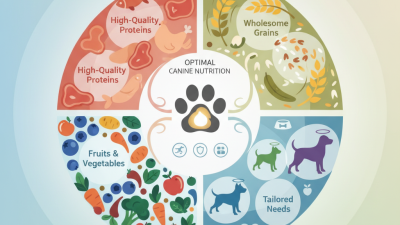
Nutrition Composition of Puppy Dog Food