How to Choose the Best Dog Food for Your Pet's Health and Nutrition
Choosing the right dog food is a significant decision for any pet owner. It directly impacts your dog's health and overall well-being. According to Dr. Jane Smith, a leading expert in canine nutrition, "Quality ingredients matter when selecting top dog food for your furry friend." This statement highlights the importance of evaluating what goes into your dog's food.
A good diet supports your pet's energy levels and immune system. Many people overlook the nutritional needs of their dogs. They may choose convenience over quality. It’s essential to evaluate ingredients critically. Not all foods marketed as "premium" are created equally. Read labels carefully for meat sources and fillers.
Finding top dog food can be overwhelming. Options abound, but not all are suitable. Factors like age, breed, and health conditions influence choices. Every dog has unique needs. It’s important to consult with a vet and reflect on your choices. Your dog relies on you for optimal nutrition, so make it count.

Understanding Your Dog's Nutritional Needs Based on Age and Breed
When selecting dog food, it’s crucial to consider your dog’s age and breed. Nutritional needs vary significantly. Puppies require more protein and calories for their growth. According to a study by the Association of American Feed Control Officials, puppies need about 28% protein and 17% fat. Adult dogs, on the other hand, generally thrive on 18% protein and 5% fat. This shift is vital for maintaining health as your dog matures.
Different breeds also have unique dietary requirements. For example, large breeds like Great Danes may need added calcium to support bone health. Research from the University of California suggests that improper nutrition can lead to bone issues in large breeds. Smaller dogs, such as Chihuahuas, often require higher fat content to maintain energy. Evaluating your dog’s specific needs is not always straightforward. Many pet owners may overlook these differences, leading to potential health risks.
It's easy to feel overwhelmed by the choices. Pet owners often trust their instincts. However, mistakes happen. For example, some might choose a food without considering breed size, leading to nutrient imbalance. Always ask your veterinarian for personalized guidance based on your dog’s unique situation.
Evaluating Ingredients: What to Look for in Quality Dog Food
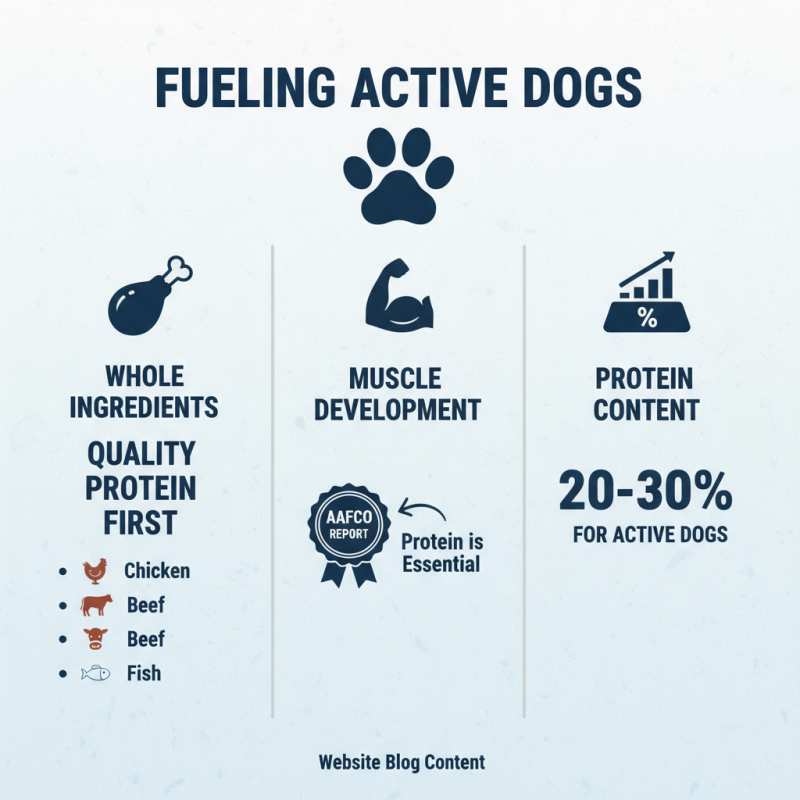
When evaluating dog food ingredients, focus on whole ingredients. Quality protein sources should be the first item listed. These can include chicken, beef, or fish. A report from the Association of American Feed Control Officials (AAFCO) indicates that protein is essential for muscle development. Look for dog food with at least 20-30% protein content for active dogs.
Grains can offer fiber and energy, but not all grains are equal. Brown rice and oats are better than fillers like corn. Many dogs may have grain sensitivities, which can lead to skin issues or digestive problems. It's important to consider a dog’s individual needs. You might find some expensive options with unclear ingredient lists. Transparency is crucial.
Watch out for artificial additives. Preservatives can affect digestion over time. Research shows that natural preservatives, like tocopherols, are safer alternatives. Remember, what works for one dog may not for another. Personal experiences can shape opinions on dog food, but always rely on nutritional data. No single formula is perfect; each dog deserves a tailored diet approach.
Recognizing Common Dog Food Labels: Grain-Free, Organic, and More
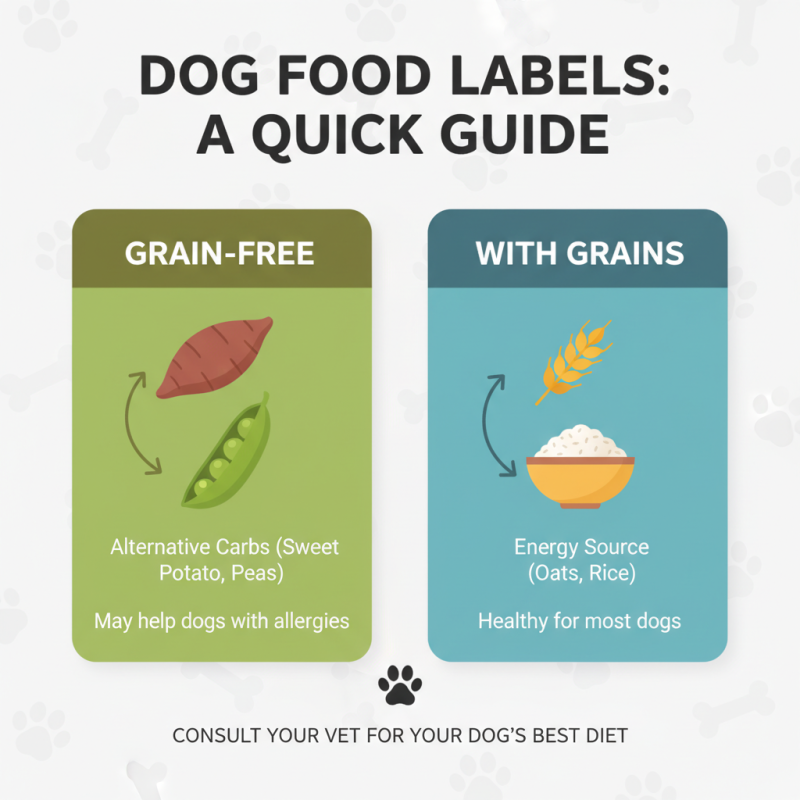
When choosing dog food, understanding labels is crucial. Many brands now emphasize terms like "grain-free" and "organic." Grain-free dog food typically uses alternative carbohydrates. Ingredients like sweet potatoes or peas might replace grains. This option may suit dogs with allergies. However, not all dogs need to avoid grains. Sometimes, grains can be a healthy energy source.
Organic labels indicate that ingredients meet specific standards. Animals were not given antibiotics or growth hormones. This can offer peace of mind for pet owners. However, organic does not always mean better nutrition. Some dogs thrive on non-organic foods. The key is to monitor your dog’s health and reactions to their diet.
Tips: Always read the ingredient list closely. Look for real meat as the first ingredient. Avoid foods with vague terms like "meat meal." When switching foods, do so gradually. This helps prevent digestive upset. Each dog is unique. What works for one might not work for another. Keep a diary of any changes in behavior or health after dietary adjustments.
Interpreting Nutritional AAFCO Standards for Optimal Pet Health
Choosing the right dog food means understanding AAFCO standards. The AAFCO, or Association of American Feed Control Officials, sets guidelines for pet food nutrition. Their standards ensure that dog foods meet minimum requirements for essential nutrients. However, not all brands adhere strictly to these standards. Some products might claim they meet them but fall short in quality.
Tips: Look for "complete and balanced" on labels. This signifies that the food meets AAFCO standards. It’s crucial to check for specifics, such as protein content and fat sources. AAFCO’s nutrient profiles provide benchmarks for what your dog needs. Is it high-quality protein? Essential vitamins and minerals? Understand what goes into your dog’s bowl.
Notably, a report from the Pet Food Industry states that nearly 70% of dog owners struggle to identify quality food. Many lean towards marketing claims instead of nutritional facts. Remember, appearance can be deceiving. A shiny label doesn’t guarantee optimal nutrition. Be curious and question ingredients. Look for recognizable components that you can understand.
How to Choose the Best Dog Food for Your Pet's Health and Nutrition
| Ingredient |
Nutritional Value |
AAFCO Standard |
Purpose |
| Chicken |
High-quality protein source |
Meets protein requirements |
Muscle development |
| Brown Rice |
Easily digestible carbs |
Meets carbohydrate needs |
Energy source |
| Sweet Potatoes |
Rich in vitamins and fiber |
Supports digestive health |
Nutritional balance |
| Fish Oil |
Source of Omega-3 fatty acids |
Supports skin and coat health |
Joint health |
| Peas |
High in protein and fiber |
Meets fiber requirements |
Digestive health |
The Impact of Dog Food on Long-Term Health and Dietary Trends
When it comes to pet nutrition, the type of dog food you choose can significantly impact your dog's long-term health. A study by the Association for Pet Obesity Prevention found that over 54% of dogs in the United States are overweight or obese. This alarming statistic highlights the need for better dietary choices. A balanced diet can help prevent conditions like diabetes and joint issues. Ingredients and nutrient distribution play vital roles in maintaining your dog's health.
Recent dietary trends indicate a shift towards grain-free and high-protein foods. However, a report from the FDA indicated potential links between grain-free diets and dilated cardiomyopathy in dogs. This complexity suggests that pet owners must carefully evaluate food label claims. Understanding which ingredients provide real benefits is critical. Many consumers fall into the trap of marketing buzzwords.
Additionally, the nutritional requirements of dogs differ by breed, age, and activity level. Research shows that an active breed needs more protein than a sedentary one. Yet, determining the right balance can be confusing. It’s important to reassess your choices regularly. What worked last year may not be the best option now. Feeding your dog requires constant learning and adaptation. This ongoing process emphasizes the need for vigilance in pet nutrition.
Dog Food Nutritional Composition and Its Impact on Health