2026 How to Choose the Best Dry Dog Food for Your Pet?
Choosing the right dry dog food is essential for your pet's health. According to Dr. Emily Johnson, a veterinary nutritionist, "Not all dry dog foods are created equal." This statement highlights the importance of selecting high-quality ingredients.
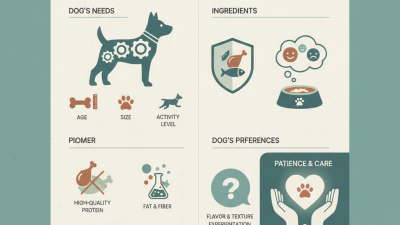
When choosing dry dog food, factors such as your dog's age, weight, and activity level matter greatly. For instance, puppies require more protein and fat than older dogs. Yet, many owners overlook these specifics, leading to unbalanced diets.
Additionally, ingredient sourcing plays a crucial role in the quality of dry dog food. Many brands have varying levels of nutrition. Researching brands ensures your choice provides optimal health benefits. Remember, understanding your dog’s needs drives better food decisions. Investing time in this choice can significantly impact your pet's well-being.
Understanding Your Dog's Nutritional Needs
Understanding your dog's nutritional needs is essential for their health and well-being. A balanced diet should include proteins, fats, carbohydrates, vitamins, and minerals. Research from the Association of American Feed Control Officials (AAFCO) indicates that protein should make up around 18-25% of a dog's diet, depending on their life stage. Puppies, for instance, require more protein than adult dogs to support growth.
Additionally, fats are crucial for energy and a healthy coat. A study published in the Journal of Animal Science shows that healthy fats should account for 8-15% of your dog's daily intake. Understanding the composition of dry dog food is vital. Many pet owners overlook this aspect, which can lead to nutritional deficiencies. It's important to read labels carefully. Some foods may appear nutritious but lack essential nutrients.
Another consideration is your dog’s life stage and lifestyle. Active dogs may require higher calories and additional nutrients compared to sedentary ones. Regularly consult with a veterinarian to adjust your dog's diet as needed. Proper nutrition can help prevent health issues, yet many pet owners remain uncertain about adequate choices. Reflecting on your dog’s diet is not just a necessity; it is an ongoing commitment.
Key Ingredients to Look for in Dry Dog Food
When selecting the best dry dog food, consider key ingredients that support your pet's health. Look for high-quality protein sources, such as real meat or fish. These proteins are essential for muscle development and overall vitality. Avoid foods that prioritize fillers like corn or soy, as these offer little nutritional value.
Fiber is another critical ingredient. It aids digestion, keeping your dog healthy and active. Ingredients like sweet potatoes or beet pulp provide good sources of fiber. Omega fatty acids also play a vital role. They contribute to a shiny coat and healthy skin. This can improve your dog's overall appearance and well-being.
Be aware that not all labels are straightforward. Some may use terms that sound appealing but mean little. Evaluate the ingredient list carefully. A vague description can hide poor-quality components. Reflections on past experiences with lesser brands may lead you to better choices. Always remember to consult with your veterinarian when changing your dog's diet. They can guide you based on your pet's specific needs.
Evaluating the Quality of Dog Food Brands
When evaluating the quality of dog food brands, focus on key ingredients. High-quality dog food should list meat as the primary ingredient. Look for whole meats, such as chicken or beef, rather than by-products. This distinction can make a significant difference in your dog's health. Ingredients should be recognizable and nutritious, providing essential vitamins and minerals.
Consider the sourcing of ingredients, too. Brands that prioritize quality often reveal where they obtain their meat and grains. Transparency is vital. Trustworthy brands will provide clear information about their production practices. This gives you confidence in what you're feeding your pet.
You should also look at the nutritional profile. A balanced diet is crucial for your dog's overall well-being. This includes appropriate levels of protein, fat, and fiber. Some brands may market their food as “complete,” but not all meet stringent standards. Researching these claims is important. Don't hesitate to consult with a veterinarian for tailored recommendations. Sometimes, what's marketed as optimal may not actually align with your pet's needs. It's worth reflecting on what truly benefits your dog's health.
Evaluating the Quality of Dry Dog Food Brands
Reading and Interpreting Dog Food Labels
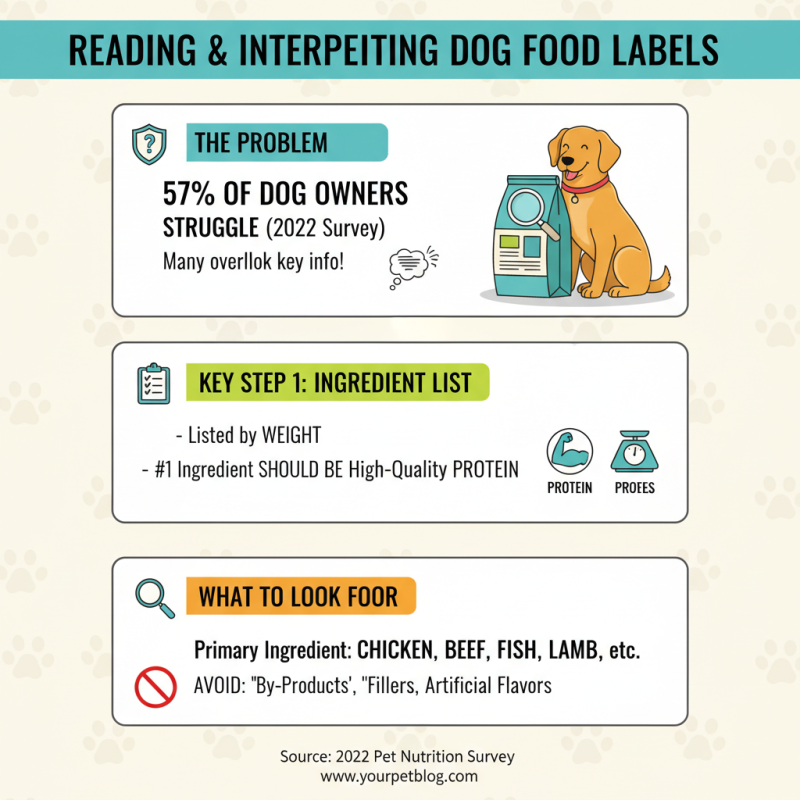
Understanding dog food labels is essential for choosing the right nutrition for your pet. A 2022 survey revealed that 57% of dog owners struggle to interpret these labels. Many people overlook key information. The first step is to assess the ingredient list. Ingredients are listed by weight, so the primary ingredient should ideally be a high-quality protein source.
Nutritional adequacy statements are also crucial. These statements confirm if the food meets AAFCO standards. A 2021 study found that 48% of dog owners were unaware of this detail. Nutrition content should be analyzed carefully. Look for the guaranteed analysis, detailing the protein, fat, fiber, and moisture content. This information helps ensure your dog’s diet is balanced and appropriate for their life stage.
Don’t forget to consider the calorie content as well. Understanding how many calories your pet requires can prevent obesity. In a recent report, 56% of dog owners were unaware of their pet's daily caloric needs. Always reflect on how your choices affect your dog's health. Reading labels takes time but can significantly enhance your dog’s quality of life.
Transitioning Your Dog to a New Dry Food Brand
Transitioning your dog to a new dry food brand can be a delicate process. It’s essential to proceed gradually to avoid gastrointestinal upset. Start by mixing a small amount of the new food with the current one. This blend should be about 25% new food and 75% old food. Observe how your dog reacts during this phase. Look for any signs of distress, such as vomiting or diarrhea.
Over a week, slowly increase the amount of new food. Transitioning can reveal preferences that may surprise you. Some dogs may refuse the new food altogether, while others might embrace it eagerly. Monitor their energy levels and overall mood. It’s crucial to ensure they still enjoy mealtime. If your dog seems uninterested, reevaluate the mix or consider a different formula. This process not only introduces new flavors but also helps your pet adjust psychologically.
Keep an eye on your dog’s body condition. Weight changes are common during transitions. You may need to adjust portions accordingly, considering their activity level. Patience is key, as adjustments may take time. Understanding your dog’s unique needs will ensure you make the best choice for their nutrition. Always consult a veterinarian if you face challenges during this transition. Their expertise can guide you toward a suitable diet for your furry friend.