How to Choose the Best Kibble Dog Food for Your Pet?
When selecting the best kibble dog food for your pet, careful consideration is vital. Dr. Lisa Freeman, a renowned veterinary nutritionist, once stated, "A well-balanced kibble can significantly enhance a dog's quality of life." This underscores the importance of choosing the right food because proper nutrition lays the foundation for overall health.
Many pet owners rely on kibble as their primary food source, but not all kibbles are created equal. Some brands may use low-quality ingredients that could harm your dog's health. It’s essential to check the ingredient list closely. Look for high-quality protein sources as the first ingredient. Also, consider the presence of grains, fillers, and artificial additives.
While you might find numerous options available, take time to reflect on what your dog truly needs. Factors such as age, breed, and health condition play roles in determining the best kibble dog food. Sometimes, trying a kibble brand only to find it unsuitable can be part of the learning process. Ultimately, understanding your pet's unique requirements will lead to better choices.

Understanding Your Dog's Nutritional Needs
Understanding your dog’s nutritional needs is essential for selecting the right kibble. Dogs require a balance of proteins, carbohydrates, and fats. Protein sources should come from meat, fish, or plants. They are critical for muscle maintenance and growth. Carbohydrates can offer energy and aid digestion.
Fat is also important. It provides essential fatty acids. These support skin health and coat quality. You might consider your dog’s age, activity level, and health conditions. Some dogs need more calories, while others require fewer. Pay attention to your dog’s weight and energy levels. Regular vet check-ups can guide you in adjusting their diet.
However, it can be confusing. Not all kibble is created equal. Look for ingredients you can recognize. Sometimes, fillers can mislead us. We may think we're choosing high-quality food, but some options lack proper nutrition. It’s a journey. Observing how your dog responds to different foods can provide valuable insights. Don’t hesitate to try different brands or formulas. Each dog is unique with distinct needs. Refining the choice may take time, but it’s worth the effort.
How to Choose the Best Kibble Dog Food for Your Pet? - Understanding Your Dog's Nutritional Needs
| Nutritional Component |
Recommended Percentage |
Sources |
Benefits |
| Protein |
20-30% |
Meat, Fish, Eggs |
Muscle development, recovery |
| Fat |
8-15% |
Fish Oil, Chicken Fat |
Healthy skin, energy |
| Carbohydrates |
30-50% |
Brown Rice, Sweet Potatoes |
Energy source, digestion |
| Fiber |
2-5% |
Beet Pulp, Peas |
Digestive health, weight control |
| Vitamins & Minerals |
Varies |
Fruits, Vegetables, Supplements |
Overall health, immune support |
Evaluating Ingredients in Kibble Dog Food
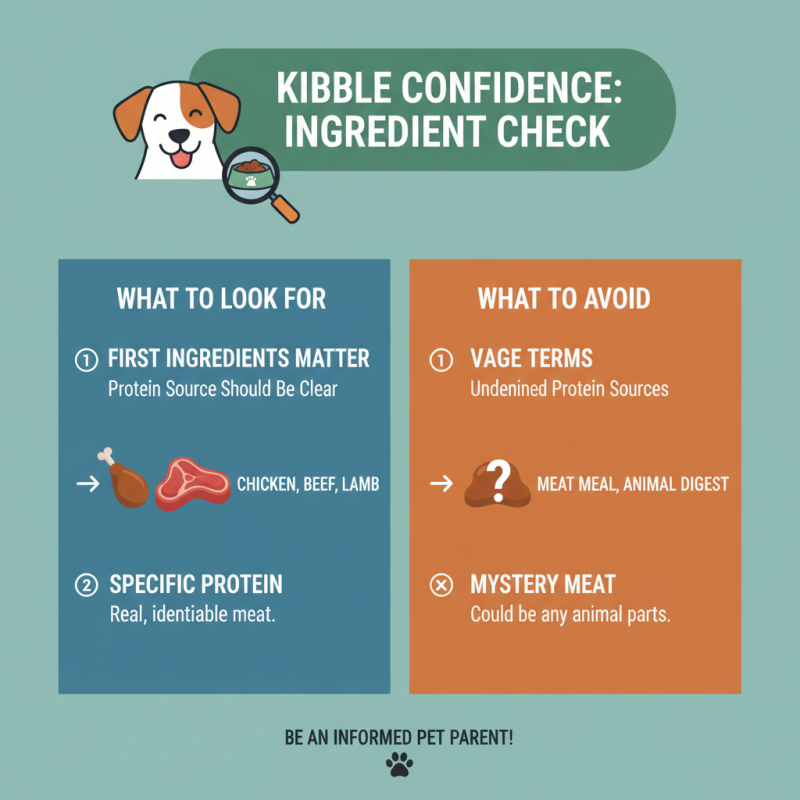
When choosing kibble dog food, ingredient evaluation is key. Look at the first few ingredients on the label. The protein source should be clear, like chicken or beef. Beware of vague terms like "meat meal." These can mean various animal parts.
Next, consider the fillers. Common fillers include corn, soy, and wheat. While they are not harmful, they offer less nutritional value. Instead, look for kibble that has whole grains or sweet potatoes. These ingredients provide energy and fiber.
Don’t overlook the added vitamins and minerals. They are crucial for your dog’s overall health. However, some kibbles can contain too many synthetic additives. This can lead to digestive irritation. Reflect on how your dog reacts to their food. Adjustments may be necessary to achieve the best diet. Always consult with a vet if uncertain.
Comparing Different Brands and Formulations
When selecting the best kibble dog food, understanding different brands and formulations is crucial. Not all kibbles are created equal. Each brand has its unique ingredients and nutritional value. For example, some focus on high protein content, while others emphasize grain-free recipes. This can significantly impact your dog’s health.
When comparing brands, look closely at the ingredient lists. Are the first ingredients protein sources? Quality matters. Some kibbles may contain fillers or artificial additives. Keep an eye out for those. It’s also important to consider your dog’s specific dietary needs. Does your dog have allergies? Age plays a role, too. Puppies and senior dogs require different nutrients.
You may discover that what works for one dog doesn't work for another. It’s a journey of trial and error. Even if a brand seems popular, it might not suit your pet’s needs. Don’t hesitate to consult a veterinarian, especially if you notice digestive issues or changes in behavior. It's vital to engage in thoughtful reflection and monitoring. Your dog’s well-being is worth the effort.
Comparison of Nutritional Value in Different Kibble Types
Considering Your Dog's Age, Size, and Health
When it comes to choosing kibble for your dog, age plays a crucial role.
Puppies need specific nutrients to support their rapid growth.
Adult dogs have different dietary requirements to maintain their health.
Senior dogs often need kibble that is easier to chew and digest.
These dietary shifts are essential for their overall well-being.
Size is another important factor in selecting kibble.
Small breeds may benefit from smaller kibble pieces to aid in chewing.
Large breeds may require formulas that help prevent obesity and support joint health.
It's common for dog owners to overlook their pet’s size when choosing food, leading to potential health issues.
Health conditions must also be taken into account.
Dogs with allergies may need a limited ingredient diet.
Those with sensitive stomachs may require easily digestible kibble.
Sometimes, it can be difficult to find the right balance.
Knowing your dog’s specific health needs can make all the difference.
As a pet owner, it’s worth reflecting on your choices and their impacts.
Ensure you consult with a vet to make informed decisions.
Reading Reviews and Seeking Recommendations
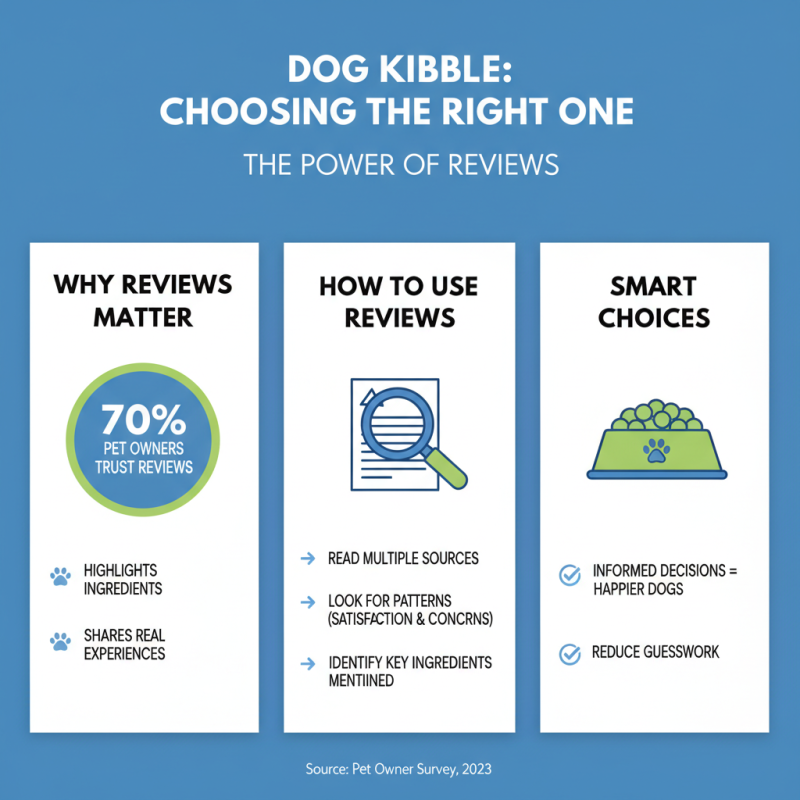
Choosing the right kibble for your dog can be daunting. One effective way to find the best options is to read reviews. Customer feedback often highlights key ingredients and experiences. For instance, studies show that 70% of pet owners consider reviews crucial in their buying decisions. Reading multiple sources helps you see patterns in satisfaction and concerns.
Tip: Look for feedback on digestibility. Many dogs have sensitive stomachs. Users often note how a specific kibble affected their pet's health. This information can guide you in choosing a kibble that suits your dog's needs.
Recommendations from friends or veterinarians can also play a huge role. Many experts suggest that personal experiences are invaluable. A vet may recommend a diet based on a dog’s health history. A recommendation can ease concerns about quality or suitability. However, remember that what works for one dog may not work for another. It’s essential to consider your dog’s age, activity level, and health needs.
Tip: Don’t overlook lesser-known brands. Sometimes, they offer high-quality options without the marketing hype. Just ensure to research their reputations before making a final selection.