How to Choose the Best Pet Food for Your Furry Friend?
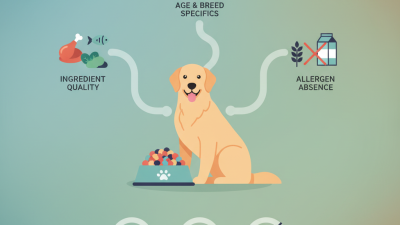
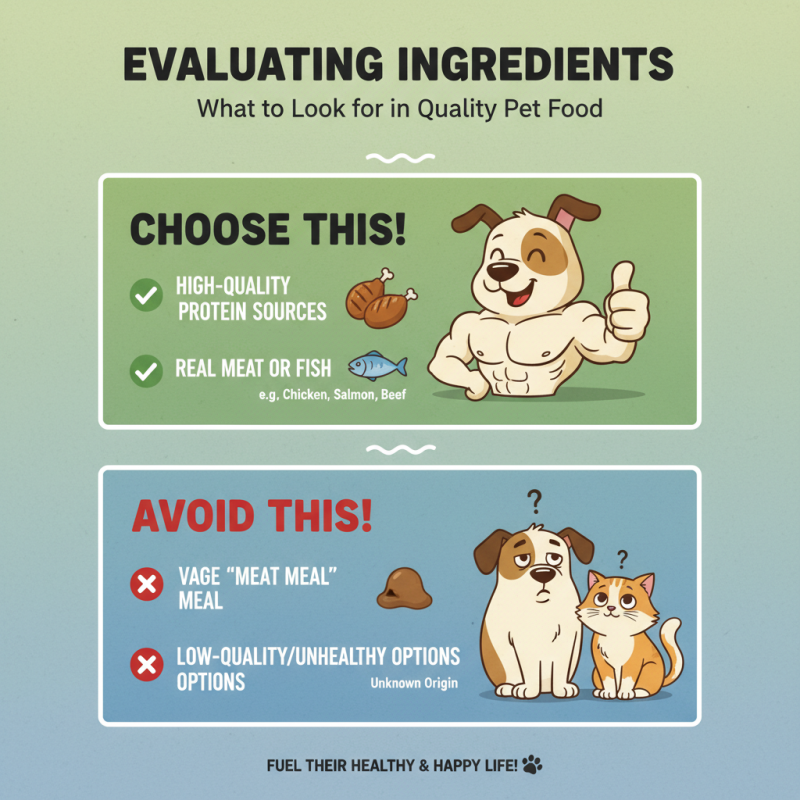
Choosing the right pet food is crucial for your furry friend’s health. A good diet ensures they thrive and feel great. With so many options available, picking the best pet food can feel overwhelming. Quality ingredients matter. Look for specific animal proteins as the first ingredient. Avoid fillers like corn and soy. Understanding nutritional needs is key. Puppies and kittens need different nutrients than adult pets.
Consider your pet’s unique needs. Allergies, age, and activity level all influence dietary requirements. Sometimes, what works for one pet may not be suitable for another. It's essential to read labels carefully. Unclear terms can mislead you. The best pet food promotes overall well-being, but not every brand meets that standard.
Reflect on your choices. Have you tried different foods to see how your pet reacts? Observing changes in energy and coat condition can provide insight. It's not just about taste; it's about health. Make informed decisions, and consult with a vet if needed. By prioritizing quality pet food, you invest in your companion's long-term happiness.

Understanding Pet Nutritional Needs Based on Age, Breed, and Size
Choosing the right pet food requires understanding your pet's unique nutritional needs. Age, breed, and size play significant roles in this. Puppies and kittens need special formulations for growth. Adult pets require balanced nutrition to maintain health. Senior pets usually need diets that are easier to digest.
When selecting food, consider your pet’s size. Small breeds might need higher energy levels due to their fast metabolisms. Larger breeds often benefit from food designed to support joint health. It's essential to read labels closely. Ingredients matter. Look for whole foods instead of processed fillers.
Tips: Always transition slowly between foods to avoid stomach issues. Observe your pet's reaction to new food. If they seem lethargic or have digestive issues, it may not be right for them. Consult with a veterinarian, particularly if your pet has special dietary needs. Adjust as necessary, and don't hesitate to rethink choices. Your furry friend’s health depends on you.
Pet Food Nutritional Requirements by Age Group
This chart illustrates the nutritional needs of pets based on their age groups (Puppies, Adults, Seniors). It helps pet owners understand the key nutritional elements required at different life stages.
The Impact of Grain-Free Diets vs. Traditional Diets on Pet Health
When it comes to pet food, grain-free diets have gained popularity. Many pet owners believe they are healthier. However, recent studies suggest a more complicated picture. Research from the FDA indicates a potential link between grain-free diets and canine dilated cardiomyopathy (DCM). This heart condition can be serious, affecting a pet's life expectancy.
In contrast, traditional diets often include grains like rice and barley. These ingredients provide essential nutrients. A 2022 report showed that a balanced diet can lead to healthier pets overall. Grain-inclusive diets may also reduce the risk of certain diseases. However, some pets have sensitivities to grains. It’s important to observe your pet's reactions and consult a vet.
While grain-free foods might appeal to many, they don’t suit all pets. Some pets thrive on grain-inclusive diets, while others may have adverse reactions. Choosing the right pet food is not always straightforward. Owners need to consider their pet's individual health needs. The decision should be based on research and professional advice rather than trends.
Deciphering Pet Food Labels: How to Read Ingredients and Nutritional Claims
Understanding pet food labels can be daunting. Ingredients and nutritional claims can be confusing. However, knowing what to look for is essential for your pet's health.
Check the ingredient list. Look for whole foods like meat, vegetables, and grains at the top. Ingredients are listed by weight. Some pet foods list fillers first. This can be misleading.
Nutritional claims often sound appealing, but they require scrutiny. Terms like "natural" or "premium" aren't regulated. They may not mean much.
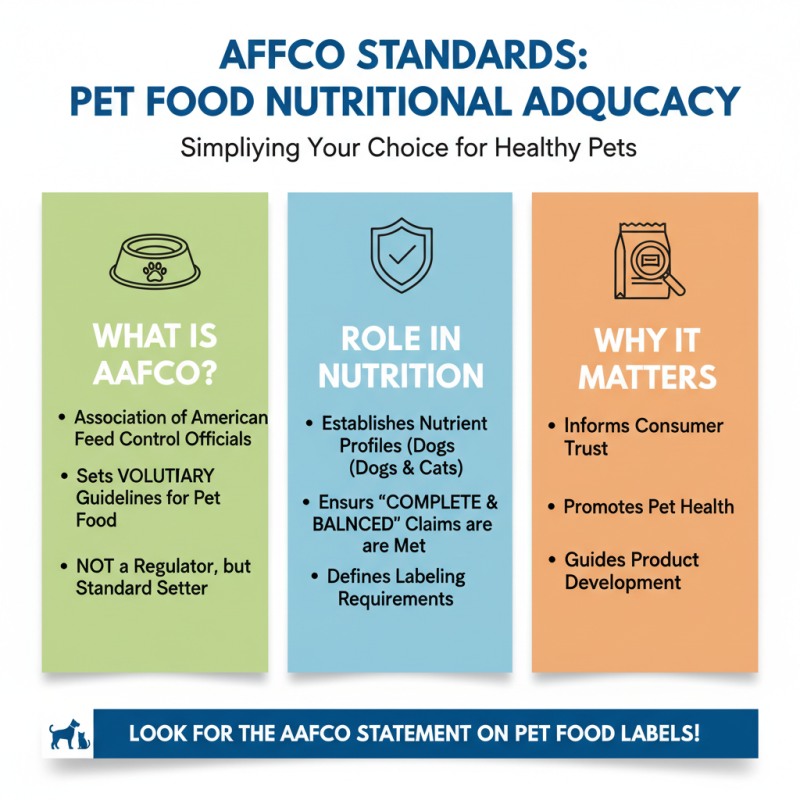
Look for a statement from the Association of American Feed Control Officials (AAFCO). AAFCO approval ensures the food meets specific nutritional standards.
“Complete and balanced” is a term you want to see. It means the food contains essential nutrients for your pet.
Keep in mind that every pet is unique. Some pets may have allergies or sensitivities. Be prepared to experiment with different foods. It’s okay if you don’t find the "perfect" fit right away.
Monitor your pet's health and adjust as needed. Ingredients can vary in quality, and pets can react differently.
Reading labels is an important skill. It helps you make informed choices for your furry friend.