Why is Dog Food Protein Essential for Your Pet's Health?
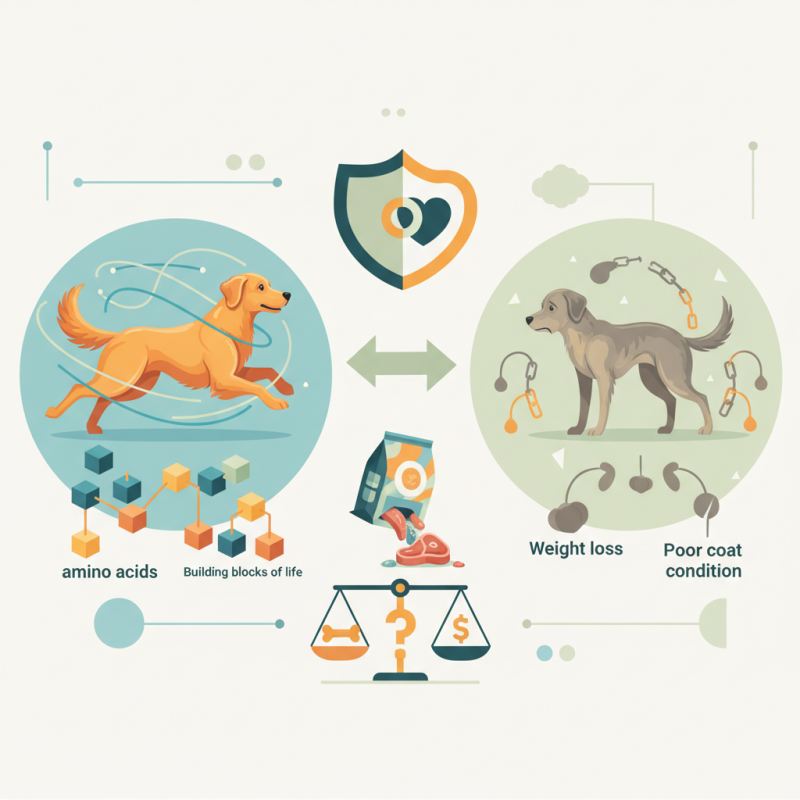
Proper nutrition is vital for your pet's well-being. Dog food protein plays a crucial role in this. It supports growth, muscle health, and overall vitality. Proteins are made up of amino acids. These are the building blocks of life. Dogs, like humans, need a balanced diet to thrive.
Many pet owners overlook protein’s importance. They focus on flavor or price. However, without sufficient dog food protein, pets can suffer. Symptoms may include weight loss, lethargy, and poor coat condition. A high-quality protein source can make a significant difference. It nourishes their bodies and keeps them energetic.
Choosing the right dog food protein can be challenging. Not all proteins are equal. Some sources offer better nutritional value than others. Understanding where your dog's protein comes from is essential. This knowledge ensures that your pet receives the best care possible. In the end, the right diet leads to a happier, healthier life.
Types of Proteins Found in Dog Food and Their Sources
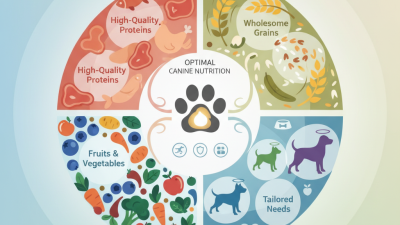
Protein plays a vital role in your dog's diet. Various types of proteins can be found in dog food, each with unique benefits. Animal sources like chicken, beef, and fish provide complete proteins. They contain essential amino acids that promote muscle growth and repair. Plant-based proteins, such as soy and peas, also contribute but may lack some amino acids.
It's important to balance these protein sources. Too much protein can strain a dog’s kidneys, while too little can lead to malnutrition. Ideally, dog food should have a mix of protein types. This way, your pet can enjoy a broader range of nutrients. Always check the ingredient list. Whole meat should be a primary ingredient.
Watch for common allergens in protein sources, too. Some dogs may react poorly to certain meats. Experimenting with diets can sometimes help find the best fit. Understanding your dog’s specific needs requires careful observation. This process may take time, patience, and change.
Why is Dog Food Protein Essential for Your Pet's Health? - Types of Proteins Found in Dog Food and Their Sources
| Type of Protein |
Source |
Benefits |
| Animal Protein |
Chicken, Beef, Fish |
High in amino acids, supports muscle growth and repair. |
| Plant Protein |
Soybeans, Peas, Lentils |
Provides fiber, aids in digestion, and important for vegans. |
| Egg Protein |
Whole Eggs |
Highly digestible, supports skin and coat health. |
| Fish Protein |
Salmon, Sardines |
Rich in omega-3 fatty acids, promotes healthy skin and joints. |
Benefits of High-Quality Protein for Dog Health and Well-Being
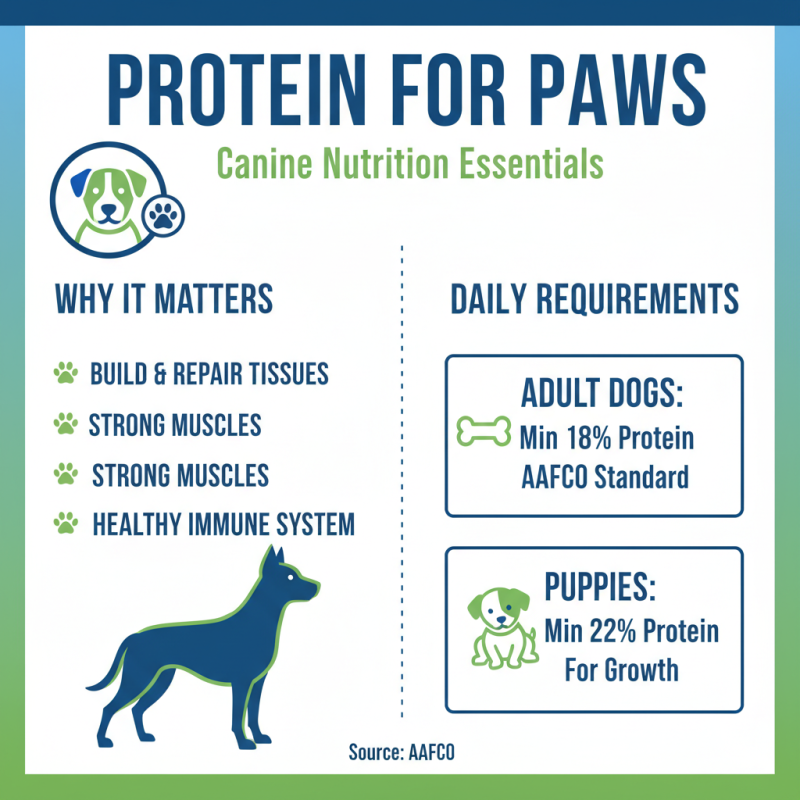
High-quality protein is vital for your dog’s overall health. Dogs require protein for their energy needs, muscle development, and immune function. According to the Association of American Feed Control Officials (AAFCO), protein should make up at least 18% of an adult dog's diet. Protein sources, like meat and fish, provide essential amino acids. These are crucial for maintaining lean muscle mass and ensuring proper growth in puppies.
One significant benefit of high-quality protein is its role in skin and coat health. Proteins help maintain a healthy barrier against infections and skin irritations. A study by the American Veterinary Medical Association found that dogs with protein-rich diets have shinier coats and fewer skin issues. Additionally, adequate protein helps in strengthening the immune system.
**Tip:** Choose dog food that lists meat as the first ingredient. Look for certifications that ensure quality.
Despite the many benefits, not all proteins are created equal. Lower-quality protein sources can lead to health issues. It's important to assess the digestibility of the protein, not just the quantity. A diet rich in low-quality protein may result in poor nutrient absorption.
**Tip:** Consult with your veterinarian about the best protein sources for your dog. Tailor their diet to their specific needs and activity levels.
Signs of Protein Deficiency in Dogs and Its Consequences
Protein plays a vital role in a dog's overall health. It supports muscle development, cell regeneration, and immune function. A deficiency in protein can lead to various health issues. It’s crucial to recognize the signs early.
One clear sign of protein deficiency is weight loss. You might notice your dog losing belly fat or becoming less energetic. Another sign is a dull coat. If your dog’s fur seems lackluster or brittle, it may need more protein. Even behavior changes can be a warning. A normally playful dog may become lethargic or disinterested in activities.
In severe cases, protein deficiency can lead to more serious conditions. Edema, or swelling, can occur. This happens because the body doesn't have enough protein to maintain proper fluid balance. Gastrointestinal issues like vomiting or diarrhea may also arise. These symptoms can drastically affect your pet’s quality of life. Regularly monitoring your dog’s diet is essential for preventing these issues. Adjusting nutritional intake based on their needs ensures they thrive.
Importance of Protein in Dog Food
This bar chart illustrates the relationship between the recommended protein intake for dogs, the average protein found in typical dog food, and the potential protein deficiency. Ensuring that your dog receives adequate protein is vital for their overall health and longevity.
How to Choose the Right Protein Source for Your Pet’s Diet
When selecting protein sources for your pet’s diet, it’s vital to consider several factors. According to the
Association of American Feed Control Officials, protein should make up 18-30% of an adult dog's diet. The percentage largely depends on their age and activity level.
A working dog may need more protein compared to a sedentary pet. However, not all proteins are created equal.
Animal-based proteins like chicken, beef, and fish generally provide complete amino acids. These are essential for
your pet’s overall health and muscle development. Studies show that pets who consume adequate animal proteins tend to have
healthier skin and shinier coats. However, not everyone can afford premium protein options, which can lead to
nutritional gaps. It's often a dilemma; higher quality may mean higher costs.
On the other hand, plant-based proteins are a viable option. They can be less expensive and easier to source. However, they may lack certain amino acids necessary for optimal health.
This is where balance comes into play. Some pet owners
might overlook the importance of a diversified protein source. This could lead to deficiencies.
Understanding your pet's unique needs is essential for their well-being.