Dog nutrition is a crucial aspect of your pet’s overall health and wellbeing. Providing the right nutrients influences their growth, energy levels, and mood. Just like humans, dogs need balanced meals to thrive. An improper diet can lead to obesity, dental issues, and digestive problems.
Many pet owners overlook the importance of dog nutrition. They may believe that all dog food is the same. However, the quality of ingredients matters greatly. Your dog deserves more than just fillers and artificial additives. Focusing on high-quality proteins, fruits, and vegetables can make a significant difference.
It's easy to assume that your dog is healthy without considering their diet. Regular vet check-ups are essential but won't compensate for poor nutrition. Reflecting on your dog’s food choices is vital. Are you reading labels carefully? Understanding dog nutrition can empower you to make informed decisions for a happier, healthier pet.

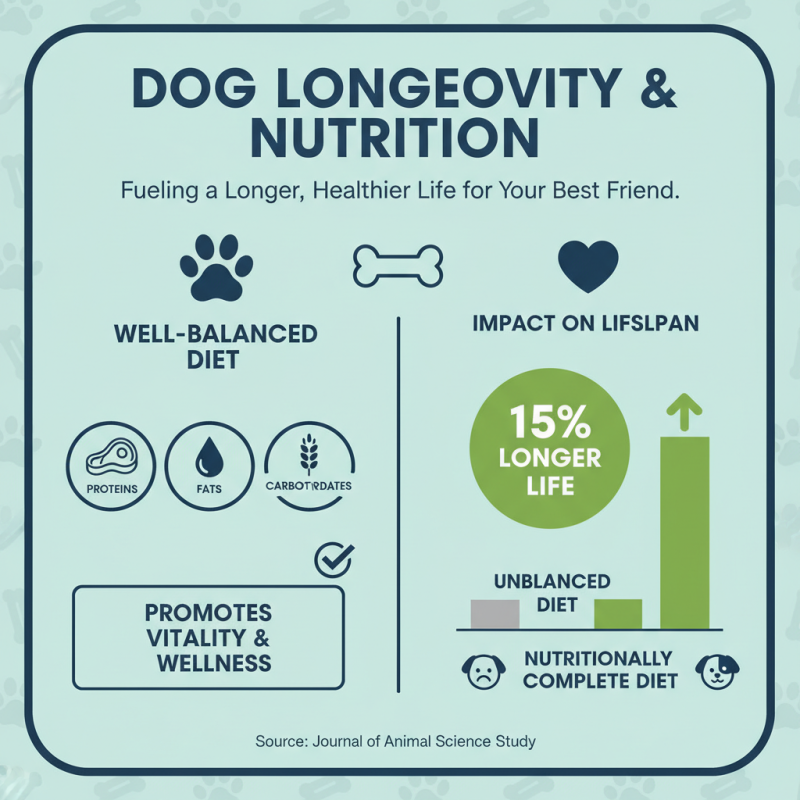
Proper nutrition plays a critical role in the health and longevity of dogs. A well-balanced diet can significantly influence a dog's life span, promoting both vitality and wellness. According to a study published in the Journal of Animal Science, dogs fed a nutritionally complete diet live 15% longer than those on an unbalanced diet. This difference highlights the importance of providing the right mix of proteins, fats, and carbohydrates.
Specific nutrients are vital. Omega-3 fatty acids, for instance, support skin health and joint function. Meanwhile, antioxidants can reduce oxidative stress, which is crucial for aging dogs. A report by the Association of American Feed Control Officials indicates that at least 30% of a dog’s diet should consist of high-quality proteins. Many pet owners overlook the significance of individual dietary needs. Each dog is unique, with varying requirements based on age, breed, and activity level.
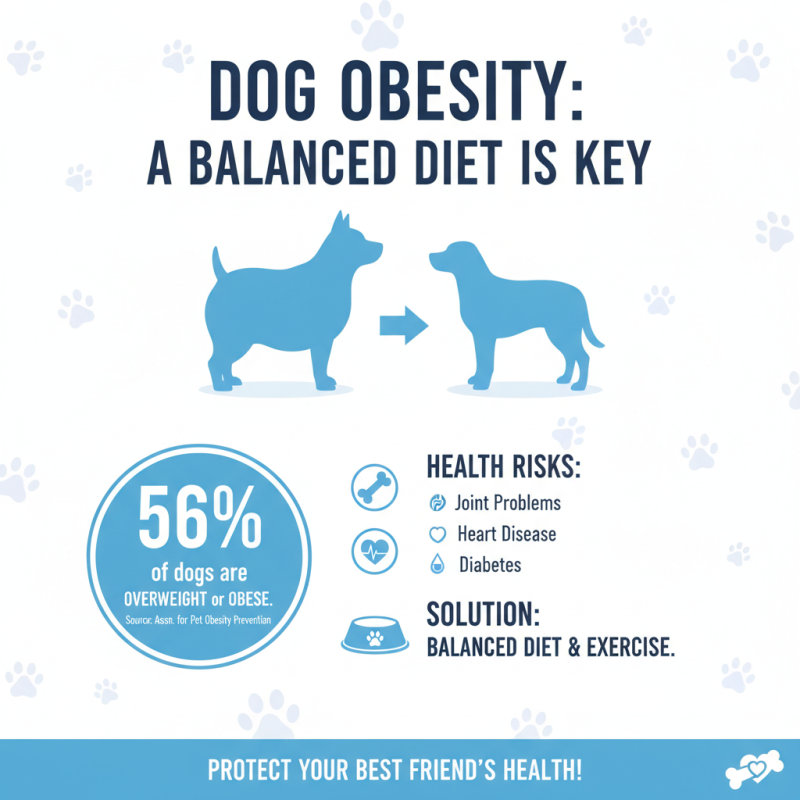
Dogs often suffer from obesity and related diseases due to improper feeding practices. The Association for Pet Obesity Prevention states that 56% of dogs are overweight or obese. This leads to diabetes, heart disease, and arthritis. Yet, many owners remain unaware of their dog's ideal weight. Regular consultations with veterinarians can help adjust diets accordingly. Understanding the unique nutritional needs of your pet is a step towards providing better care.
Dog nutrition plays a vital role in ensuring your pet's health and wellbeing. Key nutrients support optimal development and proper functioning of dogs. Proteins, carbohydrates, fats, vitamins, and minerals are essential for different physiological needs. Each nutrient contributes uniquely to their growth, energy levels, and immune system.
Proteins are crucial for muscle development. Dogs need high-quality protein sources in their daily meals. It's important to balance these with healthy fats for energy. Fats provide essential fatty acids that help maintain skin and coat health. Each dog's nutritional needs can vary. Some require more protein, while others need more fats. Consulting a vet can guide you in meeting these needs.
**Tips:** Avoid table scraps. These can upset a dog's stomach. Stick to recommended feeding guidelines for your dog's size and activity level. Monitor your dog's weight to adjust portions as necessary. Fresh water should be available at all times to support overall health. Regular check-ups can help ensure that their diet remains appropriate as they age or their activity level changes.
A poor diet can lead to various health issues in dogs. Overweight dogs suffer from joint problems, diabetes, and heart disease. According to the Association for Pet Obesity Prevention, around 56% of dogs are classified as overweight or obese. This alarming statistic highlights the need for a balanced diet.
Nutritional deficiencies also create concerns. Lack of essential vitamins and minerals can result in skin problems and a weaker immune system. A survey conducted by the American Kennel Club revealed that nearly 40% of dog owners are unaware of their pet’s nutritional requirements. This gap in knowledge affects many dogs' health and longevity.
On the other hand, feeding dogs a diet high in carbohydrates can lead to gastrointestinal issues. Some dogs experience bloating and digestive discomfort. The wrong balance of nutrients can lead to long-term health problems. It is crucial for dog owners to educate themselves about proper nutrition and consult veterinarians to ensure their pets thrive.
When evaluating commercial dog foods, the nutritional label is crucial. Ingredients are often listed in descending order by weight. This means the first few items are key to understanding the food's quality. Studies reveal that about 70% of pet owners overlook this detail. Understanding what to look for can ensure your dog receives adequate nutrition.
Look for named meats as the first ingredient. Generic terms like "meat meal" often indicate lower quality. When it comes to carbohydrates, avoid items like corn and soy, which provide minimal nutritional benefits. A report from the Association of American Feed Control Officials (AAFCO) notes that high-quality dog food should have protein sources from named animals. It’s important to focus on both quality and quantity.
Additionally, it's vital to consider additives. Some commercial foods contain artificial colors and preservatives. Recent studies show that continuous consumption of these additives might lead to health issues over time. Pet owners should be cautious and reflect on their dog's diet. Are you feeding your dog the nutrition they truly need? A thoughtful evaluation of ingredients can lead to better health outcomes for your furry friend.
This bar chart illustrates the nutritional components found in common commercial dog foods, providing insights into essential nutrients that contribute to your pet's health and wellbeing. A balance of protein, fat, fiber, moisture, and ash is crucial for maintaining optimal nutrition for dogs.
Veterinary guidance is crucial in shaping your dog's nutrition. Each dog is unique, with individual dietary needs based on age, breed, and health status. A vet can recommend the best food types and portions for your pet. This ensures they receive balanced nutrients essential for their growth and vitality.
It's common for dog owners to feel uncertain about what to feed their pets. Consulting with a veterinarian can provide clarity. They may suggest gradual changes to avoid digestive issues. Monitoring your dog's reaction to new food is vital. Sometimes, it takes a few tries to find the perfect match.
Tips for choosing dog food:
- Look for high-quality ingredients.
- Pay attention to your dog’s energy levels and coat condition.
- Keep an open line of communication with your vet about any concerns.
Maintaining a healthy diet for your dog is an ongoing process. Regular check-ups help adjust dietary needs as your pet ages. Our furry friends can’t tell us what they need, so your commitment is essential.
| Nutritional Component | Importance | Sources | Recommended Daily Intake |
|---|---|---|---|
| Proteins | Essential for building and repairing tissues, supporting immune function. | Meat, fish, eggs, legumes. | 1-2 grams per kg of body weight |
| Fats | Provides energy, supports cell structure, and aids in nutrient absorption. | Fish oil, chicken fat, vegetable oil. | 8-15% of total caloric intake |
| Carbohydrates | Provides energy and helps in maintaining healthy digestion. | Whole grains, vegetables, fruits. | 30-70% of total caloric intake |
| Vitamins | Supports metabolic functions, immune response, and overall health. | Fruits, vegetables, fortified dog food. | Varies by vitamin; consult a vet. |
| Minerals | Important for bone health, nerve function, and muscle contraction. | Meat, dairy, vegetables, supplements. | Calcium: 1-1.5% of diet; others vary. |