Fresh food dog diets are moving from niche shelves into mainstream purchasing conversations. Global buyers now face more choices, more claims, and more responsibility. The American Pet Products Association reported that U.S. pet industry spending reached $150.6 billion in 2024. FEDIAF’s 2024 facts and figures also estimated that 139 million European households owned at least one pet. These numbers show strong demand, but demand does not guarantee nutritional quality.
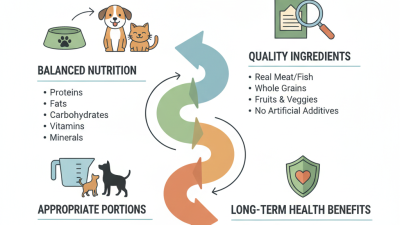
For buyers, practical judgment matters. A fresh food dog product should clearly identify animal proteins, calories, storage instructions, and nutritional adequacy. Look for evidence that the recipe is complete and balanced for a stated life stage. The WSAVA Global Nutrition Committee recommends evaluating nutrition expertise, quality control, and product transparency, rather than trusting attractive packaging alone. Cold-chain reliability matters too. A box arriving warm is not a minor detail.
Veterinary nutritionist Dr. Lisa M. Freeman has emphasized, “There is no one diet that is best for all dogs.” That principle should guide every international purchase. A growing puppy, an older Labrador, and a dog with kidney disease need different decisions. Talk with a qualified veterinarian.
Reports from Grand View Research and Fortune Business Insights indicate continued growth in fresh and minimally processed pet food markets. However, market forecasts are not clinical proof. That distinction deserves attention. Buyers should compare regional labeling rules, ingredient standards, recall history, and delivery conditions before ordering.
Some choices remain imperfect. A premium recipe can still fail when portion sizes are misunderstood. Ten practical fresh food dog tips can make global buying safer, clearer, and more realistic. Start with evidence, not excitement.
Global buyers should verify life-stage compliance before purchasing fresh dog food. “Fresh” describes processing, not nutritional completeness. AAFCO’s Dog Food Nutrient Profiles list minimum crude protein at 22.5% dry matter for growth and 18% for adult maintenance. Minimum fat levels are 8.5% and 5.5%, respectively, according to the AAFCO Official Publication 2024. Puppies need different calcium, phosphorus, copper, and energy targets.
FEDIAF’s Nutritional Guidelines for Complete and Complementary Pet Food for Cats and Dogs, 2024, also separates growth, adult maintenance, gestation, and senior considerations. However, FEDIAF often expresses nutrients per 1,000 kilocalories, while AAFCO commonly uses dry-matter percentages. Comparing numbers directly can mislead buyers. Convert moisture and energy bases first. This small calculation matters.
Ask suppliers for a complete nutrient specification, laboratory results, ingredient traceability, and production-batch records. Check whether the recipe is complete for the claimed life stage, not merely suitable as a treat. Packaging should state feeding amounts, storage temperatures, shelf life, and local compliance details. AAFCO profiles are nutritional references, not universal legal approval. FEDIAF guidance is influential, but destination-country rules still apply. Fresh diets also need validated microbial controls; one published European survey found substantial variation in contamination risks across raw pet-food samples. That evidence should encourage caution, not panic. I would not accept a polished label without independent testing and a clear feeding rationale. Fresh can still be unbalanced.

10 Fresh Food Dog Tips for Global Buyers
Calculate Portions: NRC’s RER Formula and 1.6–1.8× MER for Adults
Portion control begins with energy, not guesswork. The NRC’s resting energy requirement formula is RER = 70 × body weight in kilograms^0.75. For example, a healthy 20-kilogram adult dog has an RER near 662 kilocalories daily. An average adult may need 1.6–1.8 times RER, or about 1,060–1,190 kilocalories.
Use the lower range for a calm, sterilized dog with limited exercise. Choose the higher range for an active adult, but watch body condition closely. Fresh meals contain considerable water, so grams alone can mislead buyers. Check the meal’s stated kilocalories per 100 grams, then divide the daily calorie target by that figure. A kitchen scale helps.
Adjust slowly. I once increased a dog’s portion after one energetic weekend, and the dog gained weight within weeks. That was too quick. Recheck weight every two weeks, using the same scale and similar timing. Visible ribs should not be sharply exposed, but they should be easy to feel. Appetite can also reflect heat, stress, illness, or changing activity.
These formulas are starting points, not diagnoses. Puppies, pregnant dogs, seniors, and dogs with medical conditions need individual guidance from a qualified veterinary professional. A complete fresh diet should also provide balanced protein, fat, vitamins, and minerals. Some calculations look precise. Real dogs are not.
A balanced bowl begins with proportion, not decoration. The World Small Animal Veterinary Association’s 90:10 guideline keeps at least 90% of daily calories from complete, balanced food. Treats and extras should provide no more than 10%. That includes biscuits, table scraps, chewable supplements, and small pieces of fresh food. A few bites can matter.
Read the calorie statement, not only the ingredient list. A spoonful of oily food may contain more energy than expected. Fresh meat can add protein, but it may also displace calcium and essential vitamins. Dogs need adequate amino acids, fats, minerals, vitamins, and water. Puppies, pregnant dogs, older dogs, and animals with medical conditions may require different nutrient ratios. Ask a qualified veterinarian before changing a therapeutic diet.
Measure treats for several days. Use a kitchen scale when possible. It feels fussy, but it reveals habits. A dog receiving 600 calories daily should get no more than about 60 treat calories. Check feeding directions in the local language and confirm calories per serving. Products sold across countries may use different units or feeding assumptions. I sometimes underestimate “healthy” extras myself. That is a useful reminder: fresh does not automatically mean complete, and a loving bowl can still become unbalanced.
| No. | Fresh Food Focus | Practical Feeding Tip | Evidence-Based Benchmark | What Global Buyers Should Verify |
|---|---|---|---|---|
| 1 | Use the 90:10 calorie rule | Feed at least 90% of daily calories from a complete and balanced food, and keep treats, toppers, chews, and table scraps to no more than 10%. | WSAVA guidance commonly uses the 90:10 principle for treats. The limit applies to calories, not simply food volume or weight. | Ask for calorie information per 100 g, pouch, tray, or serving, and check whether the feeding guide includes treat calories. |
| 2 | Confirm nutritional adequacy | Choose a fresh-food recipe intended to be the dog’s main diet only when it is labelled as complete and balanced for the appropriate life stage. | A main diet should provide required nutrients in suitable amounts and ratios for growth, reproduction, or adult maintenance. | Request a nutritional adequacy statement, life-stage designation, feeding instructions, and supporting formulation or laboratory documentation. |
| 3 | Prioritize essential amino acids | Use digestible animal or plant proteins in a properly formulated recipe; do not judge protein quality only by the ingredient list. | Dogs require essential amino acids including arginine, histidine, isoleucine, leucine, lysine, methionine, phenylalanine, threonine, tryptophan, and valine. | Check whether the finished food is evaluated for amino-acid adequacy rather than relying only on a high crude-protein percentage. |
| 4 | Include essential fatty acids | Look for a controlled source of linoleic acid and appropriate omega-3 fatty acids; avoid adding oils without adjusting total calories. | Linoleic acid is essential for dogs. Alpha-linolenic acid and long-chain omega-3 fatty acids may also be relevant depending on formulation and life stage. | Ask for total fat, omega-3 and omega-6 information, ingredient stability controls, and storage guidance after opening. |
| 5 | Balance calcium and phosphorus | Do not create a meat-only fresh diet. Calcium must be deliberately formulated, especially for puppies and large-breed growth. | Calcium and phosphorus support bones and teeth, but both excesses and deficiencies can be harmful. Puppies have particularly sensitive mineral requirements. | Verify that calcium and phosphorus are declared or technically controlled, and that the recipe is suitable for the stated life stage and body size. |
| 6 | Cover vitamins and trace minerals | Use a professionally formulated recipe rather than adding human multivitamins or random supplements to fresh food. | Dogs need nutrients such as vitamins A, D, E, and selected B vitamins, along with minerals including zinc, copper, iron, iodine, manganese, and selenium. | Request a complete nutrient profile or quality specification and confirm that supplements are measured consistently in every batch. |
| 7 | Manage calories by body condition | Adjust portions according to body weight, activity, age, neuter status, and body-condition score rather than copying a single serving size. | Energy needs vary substantially between dogs. A dog’s weight trend and body condition are practical indicators for portion adjustment. | Look for feeding guidance by weight, energy density in kcal/kg or kcal/100 g, and a clear process for gradual portion changes. |
| 8 | Control food-safety risks | Prefer cooked or validated safe-processing methods for fresh food, use clean utensils, and keep raw ingredients separate from ready-to-eat foods. | Raw animal foods can carry pathogens such as Salmonella, Campylobacter, and certain strains of Escherichia coli, creating risks for dogs and people. | Check the processing method, pathogen-control plan, microbiological testing, allergen controls, and handling instructions for the destination market. |
| 9 | Protect the cold chain | Keep chilled food refrigerated, freeze products that require freezing, thaw them safely, and discard food left at unsafe temperatures. | Perishable food should be stored according to the supplier’s validated instructions. Temperature abuse can increase microbial growth and spoilage. | Confirm validated shelf life, storage temperature, transport duration, packaging integrity, date coding, and instructions after opening or thawing. |
| 10 | Introduce changes gradually | Transition over approximately 5–7 days by increasing the new food gradually, while monitoring stool quality, appetite, vomiting, itching, and weight. | Gradual transitions may reduce digestive upset, but individual tolerance varies. Persistent or severe signs require veterinary advice. | Provide transition charts, batch traceability, ingredient and allergen declarations, and customer support suitable for the destination language and regulations. |
Important: Calorie needs and nutrient requirements differ by dog. Treat the 90:10 ratio as a practical WSAVA guideline, not a substitute for veterinary advice or a complete nutritional formulation.
Fresh food can look wholesome while carrying invisible hazards. FDA warnings on raw pet food have repeatedly highlighted Salmonella and Listeria monocytogenes. These bacteria may affect dogs, but healthy-looking dogs can also spread them through saliva, stool, bowls, and household surfaces. Children, older adults, pregnant people, and anyone with weaker immunity face greater risk.
Global buyers should inspect the cold chain before purchase. The package should arrive fully chilled, sealed, and free from leaks. Check the lot number, use-by date, storage temperature, and handling instructions. Keep raw food in a separate refrigerator container. Use dedicated utensils, wash hands with soap, and clean counters after every serving. Do not rely on freezing to destroy pathogens. It does not.
Cooking offers a stronger control step, when the product and feeding plan allow it. A food thermometer is more reliable than judging color or texture. During receiving checks, photograph damaged packaging and record delivery temperature. That evidence helps suppliers investigate problems. Still, no checklist is perfect. A clean kitchen can miss a contaminated scoop. A careful buyer can also underestimate cross-contact from a dog’s wet muzzle. If a dog develops vomiting, diarrhea, fever, or unusual tiredness, pause the food and seek veterinary advice. People exposed to suspected contamination should contact a healthcare professional. Safe sourcing is not only about freshness; it is about controlling what freshness cannot show.
Fresh food dog care begins with temperature control. For global buyers, keep refrigerated food at or below 4°C, the practical safety target used in FDA food-safety guidance. Use a refrigerator thermometer instead of trusting the dial. A fridge can feel cold while its door shelf stays warmer.
Store sealed portions on an inner shelf, not beside the door. Keep raw and ready-to-eat foods separate. Place opened food in a clean, covered container. Mark the opening date clearly. Follow the package’s shorter storage period when instructions differ. Never leave fresh dog food at room temperature for more than two hours. In temperatures above 32°C, reduce that limit to one hour. Thaw frozen portions inside the refrigerator, never on a kitchen counter. Wash hands, bowls, and preparation surfaces after serving.
Transition gradually over about seven days. Start with a small amount mixed into the current diet, then increase slowly. Some dogs need longer. Watch stool texture, appetite, energy, and vomiting. Stop the transition and contact a veterinarian if symptoms persist or become severe. I have found that rushed changes create avoidable confusion, even when the food itself is suitable. A simple feeding log helps reveal patterns. It is not perfect, though. Room temperatures, travel delays, and individual tolerance can change the outcome. Buyers should also check destination-country requirements and the product’s handling instructions before ordering.
Keep refrigerated fresh dog food at or below 4°C (40°F). Frozen storage should be maintained at 0°F (-18°C) or below, while perishable food should not remain at room temperature for more than 2 hours, or 1 hour when temperatures exceed 32°C (90°F).
For safer handling, move fresh dog food into a clean, covered container, return unused portions to the refrigerator promptly, and use a food thermometer to verify storage conditions. When transitioning a dog to a new food, introduce it gradually and monitor digestion; consult a veterinarian if symptoms persist.
Sources: U.S. Food and Drug Administration consumer food-safety guidance; U.S. Department of Agriculture perishable-food handling guidance.