What is the Most Healthy Dog Food for My Pet's Wellbeing
When it comes to ensuring the health and wellbeing of our furry companions, one of the most crucial decisions we face as pet owners is selecting the most healthy dog food. Nutrition plays a foundational role in a dog's overall health, affecting everything from their energy levels to their immune system. With an overwhelming array of dog food options available in the market, understanding what constitutes the most healthy dog food can be a daunting task for many pet owners.
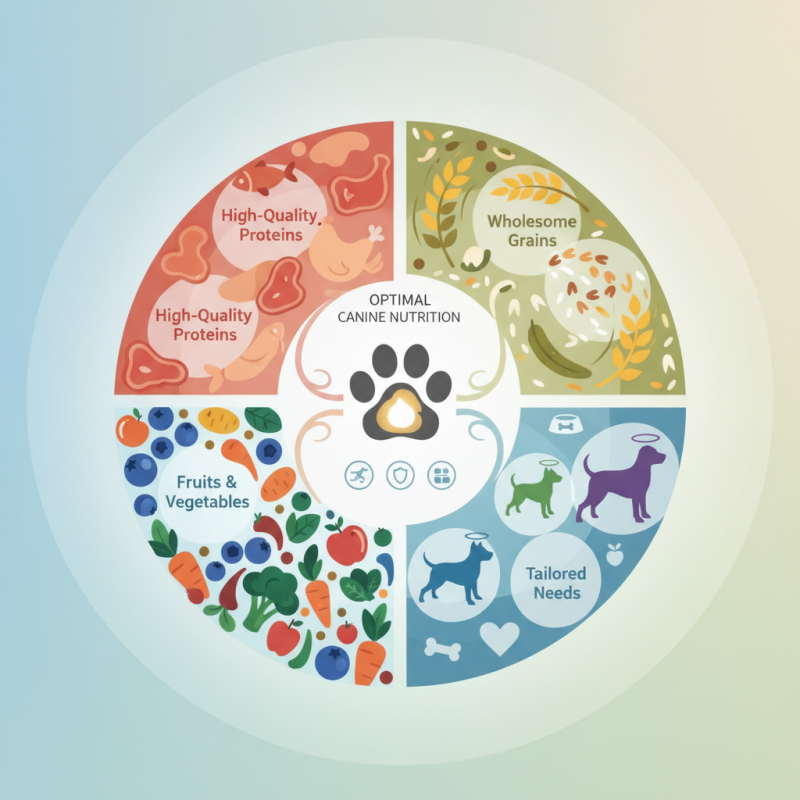
To navigate this complex landscape, it is essential to prioritize ingredients that promote optimal health. A balanced diet rich in high-quality proteins, wholesome grains, and a variety of fruits and vegetables can significantly contribute to a dog's longevity and quality of life. Additionally, considering specific dietary needs based on age, breed, and health conditions can further enhance our choices. By doing so, we not only nourish our dogs but also ensure that they lead vibrant, active lives.
This discussion aims to shed light on the key components of the most healthy dog food and provide insights into how we, as responsible pet owners, can make informed decisions for our beloved pets. Together, we can explore the essential elements of canine nutrition that support their wellbeing and happiness.
Understanding Nutritional Needs of Dogs
Understanding the nutritional needs of dogs is essential for selecting the healthiest dog food for your pet. Dogs require a balanced diet that includes
proteins, fats, carbohydrates, vitamins, and minerals.
Proteins are crucial for muscle development and repair, while healthy fats provide energy and aid in nutrient absorption.
Carbohydrates, found in grains and vegetables, serve as a source of energy and fiber, promoting healthy digestion.
Each dog's requirements may vary based on factors such as age, breed, activity level, and health conditions, making it essential to tailor their diet accordingly.
Tip: Always consult with a veterinarian to determine the specific nutritional needs of your dog. Regular health check-ups can provide insights into any dietary adjustments that may be necessary.
Additionally, it’s important to look for high-quality ingredients in dog food.
Real meat should be the first ingredient listed, followed by whole grains, fruits, and vegetables. Avoid foods with excessive fillers, artificial preservatives, or by-products.
A well-balanced diet contributes not only to your dog’s physical health but also to their overall well-being,
including improved coat quality, stronger immune systems, and enhanced energy levels.
Tip: Transition to a new dog food gradually over a week to avoid digestive upsets. Introduce the new food in small amounts mixed with the current food,
increasing the proportion of the new food each day until fully transitioned.
Key Ingredients to Look for in Healthy Dog Food
When selecting the healthiest dog food for your pet, it's essential to focus on key ingredients that can enhance their wellbeing. A high-quality dog food should start with a specific protein source, such as chicken, beef, or fish, listed as the first ingredient. Proteins are vital for muscle development and overall health, providing the necessary amino acids that dogs require for energy and growth. Additionally, look for whole food sources rather than meat by-products, as these ensure better digestibility and nutritional value.
Another important aspect is the inclusion of healthy fats. Ingredients like fish oil or chicken fat are excellent sources of omega-3 and omega-6 fatty acids, which promote a shiny coat and support skin health. Moreover, incorporating whole grains, fruits, and vegetables into the dog food can provide essential vitamins, minerals, and antioxidants. Ingredients like brown rice, sweet potatoes, blueberries, and spinach not only offer fiber for digestion but also boost the immune system, contributing to your dog's overall vitality. By focusing on these key ingredients, you can provide a balanced diet that supports your pet's long-term health.
Key Nutritional Components in Healthy Dog Food
Comparing Commercial Dog Food Brands: A Nutritional Overview
When choosing the most healthy dog food for your pet's wellbeing, a detailed nutritional overview of commercial dog food brands is essential. Various brands offer a wide range of recipes, each boasting unique formulations aimed at energy, coat health, and overall vitality. It is vital for pet owners to analyze the ingredient lists and nutritional profiles to ensure that the food meets their dog's specific needs. This includes focusing on high-quality protein sources, healthy fats, and essential vitamins and minerals while avoiding fillers, artificial preservatives, and by-products.
Additionally, it's important to consider any dietary restrictions or preferences your dog may have. Some dogs may benefit from grain-free options or those tailored for specific breeds or life stages. Understanding the difference between dry kibble, wet food, and raw diets can further refine your choices. Conducting a comparative analysis of these commercial brands helps in identifying those that align with your dog's dietary requirements, supporting their health and happiness. Ultimately, a well-informed decision leads to optimal nutrition and enhances your pet's quality of life.
Homemade Dog Food: Benefits and Recipes for Pet Health
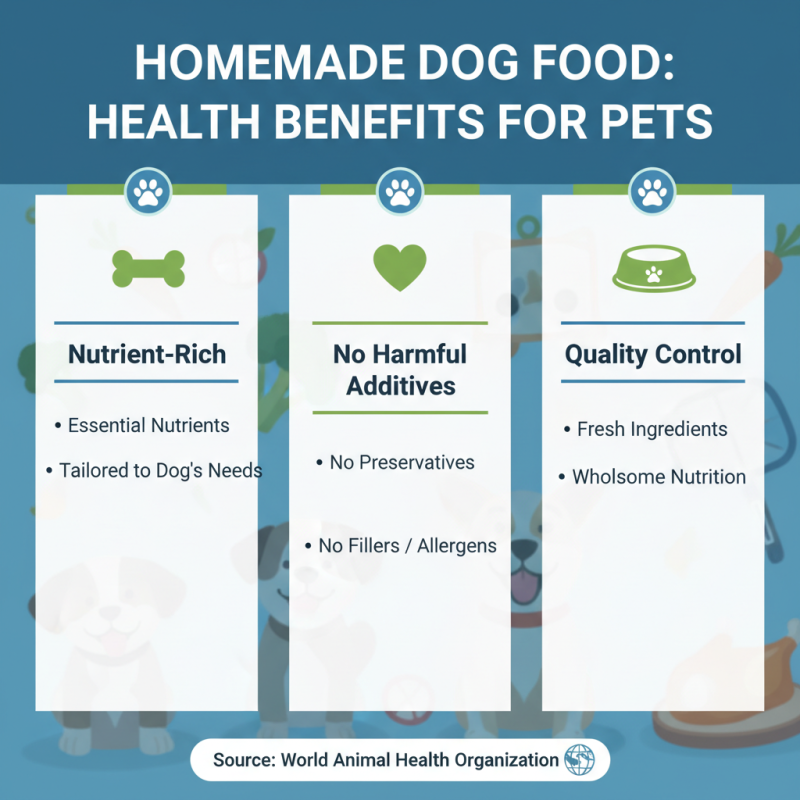
Homemade dog food has gained significant attention in recent years due to its potential health benefits for pets. According to the World Animal Health Organization, a well-balanced homemade diet can not only provide essential nutrients but can also be tailored to meet the specific health needs of individual dogs. Many commercial dog foods contain preservatives and fillers that may lead to allergies or sensitivities in some pets. By preparing meals at home, pet owners can control the quality of ingredients, ensuring their furry companions receive fresh, wholesome nutrition devoid of harmful additives.
When it comes to recipes, focus on providing a mix of protein, carbohydrates, and healthy fats. Lean meats, such as chicken or turkey, should be the primary protein source, while grains like brown rice or quinoa and vegetables such as carrots and spinach can offer necessary vitamins and minerals. A study published in the Journal of Animal Science found that diets including high-quality protein and vegetables increased the overall vitality and energy levels in dogs. Furthermore, incorporating omega-3 fatty acids found in fish or flaxseed can promote healthier skin and a shiny coat, contributing to a dog's overall wellbeing. The customization of homemade dog food makes it a compelling option for pet owners looking to enhance their pets’ health and happiness.
Special Dietary Considerations for Dogs with Health Issues
When selecting dog food for pets with health issues, it’s crucial to tailor their diet to meet their specific needs. Dogs suffering from conditions like allergies, diabetes, or kidney problems require special dietary formulations that support their overall well-being. For instance, hypoallergenic diets can alleviate symptoms of food sensitivities, using limited ingredients to reduce the risk of triggering an allergic reaction.
Similarly, diabetic dogs benefit from high fiber, low carbohydrate diets that help maintain stable blood sugar levels.
Moreover, pets with kidney disease often require food that is lower in protein and phosphorus to alleviate stress on their kidneys. Incorporating omega-3 fatty acids can also be beneficial as they help reduce inflammation and support kidney function.
Consulting with a veterinarian is essential to develop a well-rounded and appropriate feeding plan. They can recommend specific nutrient ratios and suggest foods that promote health without exacerbating underlying conditions. With the right dietary considerations, dogs with health issues can thrive and enjoy a better quality of life.