What is High Protein Dog Food for Optimal Health?
In recent years, the popularity of high protein dog food has surged among pet owners. Many believe that a diet rich in protein can significantly impact their dogs' health. This belief stems from the growing awareness of the essential nutrients required for optimal canine health. High protein dog food often boasts meat as the primary ingredient, promising various benefits.
However, the science behind dog nutrition is complex. Experts highlight that not all high protein dog foods are created equal. Some brands emphasize protein from low-quality sources, which may not provide the same benefits. It's crucial for dog owners to read labels and understand the protein content and its origin.
While high protein diets can support muscle development and improve energy levels, they are not suitable for every dog. Some breeds might experience health issues from excessive protein intake. Consulting a veterinarian before making any dietary changes is always advisable. Ultimately, the right food choice requires careful consideration and tailored advice for each dog's specific needs.

Understanding High Protein Dog Food: Definition and Benefits
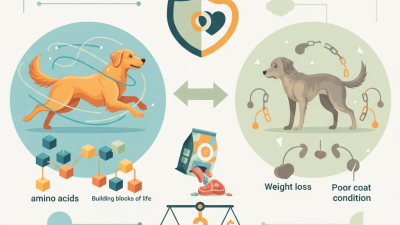
High protein dog food is specially formulated to promote optimal health in dogs. This type of diet is rich in quality proteins, which are essential for muscle development, energy, and overall vitality. Proteins are made up of amino acids, which help support various bodily functions, from immune responses to tissue repair. A high-protein diet can be particularly beneficial for active breeds and working dogs, as they require more energy and muscle support than sedentary dogs.
Choosing high protein dog food may have several advantages. It can enhance coat condition, improve digestion, and promote healthy skin. Dogs on a protein-rich diet may experience better weight management and can feel more satisfied after meals. However, not all dogs will thrive on such diets. Some may have special dietary needs or health issues that require lower protein intake. It’s crucial to consult a veterinarian before making any significant changes to your dog’s diet. Ultimately, understanding your dog's specific needs is vital in providing a balanced and healthy approach to their nutrition.
Key Ingredients in High Protein Dog Food: A Nutritional Breakdown
High protein dog food is essential for optimal canine health. It helps maintain muscle mass and supports energy levels. A balanced diet allows your dog to thrive. Various key ingredients contribute to high protein formulas.
Animal-based proteins like chicken, beef, or fish offer complete amino acids. These sources are more digestible than plant proteins. They provide essential nutrients that help your dog build and repair tissues. Keep an eye out for ingredient rankings on packaging; higher quality proteins should be at the top.
In addition to animal proteins, high-quality fats play a role in maintaining energy. Omega-3 and omega-6 fatty acids promote a healthy coat and skin. Including whole grains or legumes can offer fiber and additional protein. Still, some dogs may have allergies, so monitoring for adverse reactions is crucial.
Approach your dog's diet thoughtfully. Every dog has unique needs that depend on age, size, and activity level. Adjust protein levels gradually to avoid digestive issues. Remember, not all dogs require the same protein content. Regular veterinary check-ups will provide insight into your dog's specific nutritional needs.
What is High Protein Dog Food for Optimal Health? - Key Ingredients in High Protein Dog Food: A Nutritional Breakdown
| Ingredient |
Source |
Protein Content (%) |
Benefits |
| Chicken |
Poultry |
30% |
Lean protein, supports muscle growth |
| Beef |
Mammal |
26% |
Rich in iron and zinc, boosts immune function |
| Salmon |
Fish |
25% |
Omega-3 fatty acids, promotes healthy skin and coat |
| Lamb |
Mammal |
28% |
Great for allergic dogs, high in vitamins B |
| Eggs |
Poultry |
32% |
Complete protein, boosts energy levels |
| Peas |
Legume |
24% |
High in fiber, supports digestive health |
Optimal Protein Levels for Different Dog Breeds and Sizes
When selecting high protein dog food, it's crucial to consider your dog's breed and size. Different breeds have varying protein needs. For example, large breeds like Great Danes may thrive on lower protein levels, around 18-22%. In contrast, smaller breeds, such as Chihuahuas, often require a higher protein intake, approximately 25-30%. This difference stems from their metabolism rates and activity levels.
Dog food should cater to age and activity level too. Puppies generally need more protein for growth, while senior dogs may require less to prevent weight gain. It's vital to monitor your dog's overall condition. A dog eating a high protein diet might appear fit but could be prone to kidney issues if the protein source is poor quality. Reflecting on your dog's experience with different foods is essential. Keep an eye out for signs of allergies or digestive upset, which can signal that the current diet may not be suitable. You may need to adjust and find a balance that works for your furry friend.
Health Conditions Benefited by High Protein Diets in Dogs
High protein diets can significantly benefit dogs with various health conditions. For instance, dogs suffering from obesity can thrive on a higher protein intake. Protein supports muscle maintenance while reducing fat mass. This approach helps them to lose weight healthily. Moreover, it can prevent muscle wasting in seniors or ill dogs.
Dogs with allergies may also find relief in high protein foods. These diets often contain novel protein sources. This reduces exposure to common allergens. Dogs with skin issues may see improvements in coat health. A nutritious diet supports skin repair and rejuvenation.
In contrast, too much protein can burden a dog’s kidneys, especially in older or sick pets. Balancing protein levels is crucial. Consulting a veterinarian is essential to tailor a diet that suits individual health needs. Understanding your dog's specific condition is vital for making informed dietary choices.
Evaluating High Protein Dog Food: Industry Standards and Certifications
When considering high protein dog food, industry standards and certifications play a crucial role. Proper nutrition can lead to a healthier, happier pet. High-quality dog food often meets rigorous criteria set by pet food authorities. Look for foods that adhere to AAFCO (Association of American Feed Control Officials) standards. This ensures a balanced diet packed with essential nutrients.
Certifications can enhance trust in a brand’s quality. Pet food that is certified organic or carries a seal from reputable organizations can indicate higher safety standards. Researching ingredients can reveal much about a product’s nutritional profile. It's important to check for whole proteins, like meat or fish, rather than by-products.
However, not every high protein option is suitable for all dogs. Some pets may have unique dietary needs or sensitivities. Consulting with a veterinarian can help tailor food choices to your dog’s specific health requirements. Finding the right balance can sometimes be a process filled with trial and error. Keeping a journal of your pet’s response to different foods may provide valuable insights over time, leading you to the most suitable high protein alternatives.