Best High Protein Dog Food Options for Global Buyers?
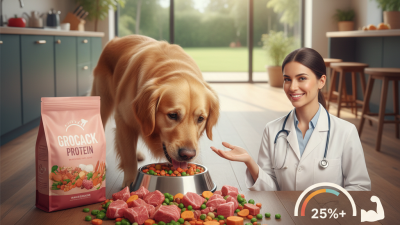
As dog owners become more health-conscious, high protein dog food options are gaining popularity. A diet rich in protein supports a dog’s growth and energy levels. It can help maintain muscle mass and improve overall health.
Various brands offer high protein dog food, catering to different dietary needs. Ingredients like chicken, beef, and fish are common in these formulations. However, quality matters. Not all high protein options are equal. Some contain fillers or artificial additives that can be harmful.
It’s crucial to consider your dog's lifestyle and health requirements when selecting food. Consulting with a veterinarian can provide personalized recommendations. The pet food market is vast, making informed choices vital for your furry friend’s wellbeing. Always reflect on the ingredients and nutritional value of the food you choose. Your dog's health relies on it.
Best High Protein Dog Food Options for Global Buyers
When selecting high protein dog food, it's crucial to focus on the nutritional needs of your dog. Dogs require protein for muscle development, energy, and overall well-being. Look for food with a minimum protein content of 20-30%. Ingredients should include real meat or meat meal as the primary source of protein. This ensures your dog gets quality nutrition from whole ingredients.
Additionally, it's important to read through the ingredient list. Some brands may use fillers that do not provide nutritional value. You might find options that include peas or lentils, which can also contribute to protein levels. However, relying solely on plant-based proteins is not ideal. Striking a balance between animal and plant proteins is essential for a well-rounded diet.
Each dog is unique, and their dietary needs can vary. Consult a veterinarian to determine the best protein sources for your pet. Some dogs may have allergies or sensitivities to certain ingredients. This makes it imperative to monitor how your dog reacts to new food. Regularly reviewing pet food labels can help identify changes in formulations and ensure your dog continues to receive high-quality nutrition.
Understanding Protein Requirements for Different Dog Breeds
Understanding the protein requirements of different dog breeds is crucial for their health and wellbeing. Research shows that dog breeds have varying needs based on size, age, and activity level. For instance, larger breeds like Great Danes require more protein to support muscle development, while smaller breeds often need less. A report by the Association of American Feed Control Officials (AAFCO) indicates that adult dogs generally need at least 18% protein in their diet, while puppies may require 22% or higher.
High-protein diets often benefit active dogs, especially working and sporting breeds. These dogs exhibit higher energy demands. A study published in the Journal of Animal Science reveals that dogs engaged in intense activities need diets with 30% protein or more. This requirement plays a significant role in their performance and recovery. However, enthusiastic owners may overlook potential risks. An overly high-protein diet can lead to health issues such as kidney strain in certain dogs, especially those predisposed to renal problems.
When choosing a high-protein dog food, consulting with a veterinarian provides reliable guidance. It ensures that the diet meets a dog’s specific needs. Monitoring your dog’s weight and health over time is equally important. Not all high-protein options are suitable for every dog; adjustments may be necessary based on individual health conditions and lifestyle. This ongoing evaluation can help dog owners make informed and thoughtful dietary choices.
Best High Protein Dog Food Options for Global Buyers
| Dog Breed |
Protein Content (%) |
Recommended Daily Intake (grams) |
Ideal Dog Food Type |
| Labrador Retriever |
25 |
700 |
Dry Kibble |
| German Shepherd |
30 |
800 |
Dry Kibble |
| Beagle |
24 |
400 |
Wet Food |
| Bulldog |
26 |
600 |
Dry Kibble |
| Golden Retriever |
28 |
750 |
Dry Kibble |
Top Ingredients to Look for in High Protein Dog Food
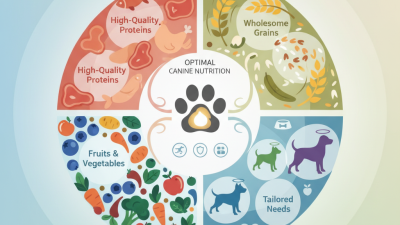
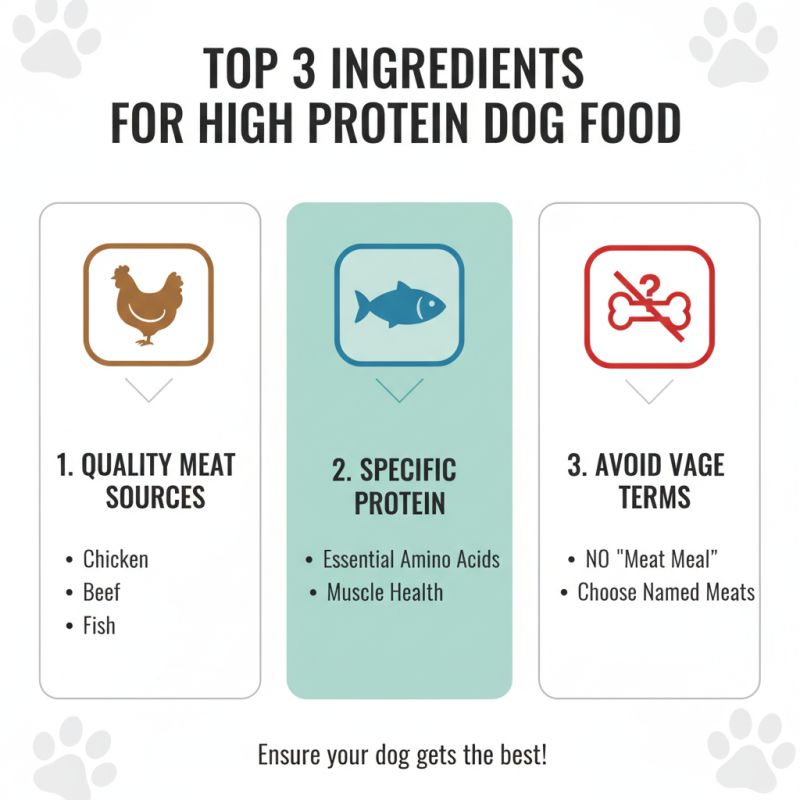
When selecting high protein dog food, the ingredients matter significantly. The first consideration should be quality meat sources. Look for named meats, like chicken, beef, or fish. Avoid vague terms like "meat meal." These named sources indicate a specific protein source. They ensure your dog gets the essential amino acids for muscle health.
In addition to meat, animal by-products can be valuable. These by-products include organs and other parts, providing a range of nutrients. A mix of meats can enhance flavor and nutrition. Grains might also appear in high protein foods, but choose whole grains like brown rice or oats. These are easier to digest and contribute to overall health.
Fats are another critical component. Healthy fats support skin and coat. Omega-3 and Omega-6 fatty acids boost immune function. However, not all fats are equal. Look for those derived from natural sources. It’s also beneficial to include fruits and vegetables. They offer antioxidants and vitamins, essential for your dog’s well-being. Although many options seem excellent, always review the ingredient list. A food that appears high-quality on the surface can still fall short. Aim for brands that prioritize transparency in their sourcing practices.
Comparative Analysis of Popular High Protein Dog Food Brands
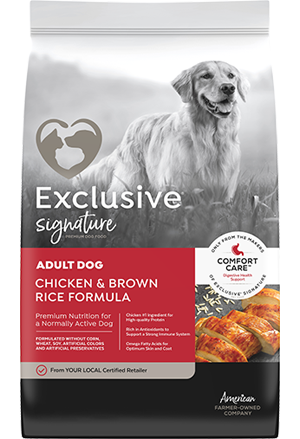
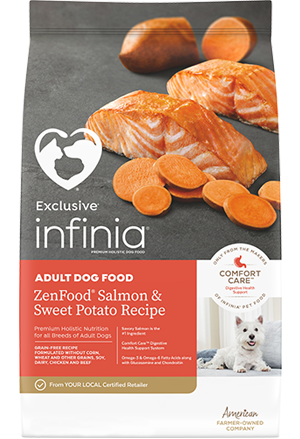
When considering high protein dog food options, it's essential to analyze the ingredients and nutritional value. Look for kibble that lists quality protein sources first, such as meat or fish. Many brands claim to have high protein content, but the actual protein source merits close examination. Some options may include by-products or fillers that dilute the overall protein quality.
Observing different brands reveals varying protein percentages. Nevertheless, the digestibility of the protein is just as crucial. Some formulas might advertise high protein yet include ingredients that are hard for dogs to digest. It’s important to consult pet nutritionists or veterinarians for guidance. A brand might appear ideal on paper but could lack essential nutrients.
Availability is another factor for global buyers. Different countries have unique regulations, affecting ingredient access. Thus, an appealing formula in one region may not be available elsewhere. Research local brands that follow similar quality standards. Sometimes, the more niche options provide better overall nutrition for your dog. Quality does not always mean expensive. Consider doing comparison tests to see how your dog reacts to various brands. Reflect on your dog's health, energy levels, and coat condition as indicators of the right choice.
Comparative Analysis of High Protein Dog Food Options
Tips for Selecting the Right High Protein Dog Food for Your Pet
Selecting the right high protein dog food for your pet is crucial. Protein supports muscle development and energy levels. Look for foods that list a specific meat source as the first ingredient. This indicates a high protein quality, essential for active dogs. Always check for the type of protein involved—animal proteins are generally more digestible than plant-based sources.
Consider your dog's breed and age. Large breeds may require different protein levels compared to smaller breeds. Age matters too; puppies often need higher protein than older dogs. Remember, not all high-protein foods are suitable for every dog. An overly rich diet can lead to health problems in some pets. Consult with a veterinarian familiar with your dog's health history for tailored advice. This expertise ensures you choose the best diet for your furry friend.
Balancing protein with fats and carbohydrates is key. A diet that is too heavy in protein without proper balance may cause issues. Look for well-rounded options with added vitamins and minerals. It’s beneficial to try different brands while monitoring your dog’s health and behavior. Note changes in energy or coat condition, as these are indicators of food suitability. High protein is important, but it’s part of a broader picture.