2026 How to Choose Healthy Dry Dog Food for Your Pet?
Choosing the right food for your dog is essential. Many pet owners seek healthy dry dog food options. These foods can promote better health and longevity. However, many brands claim to offer the best nutrition. It can be overwhelming to navigate the choices available.
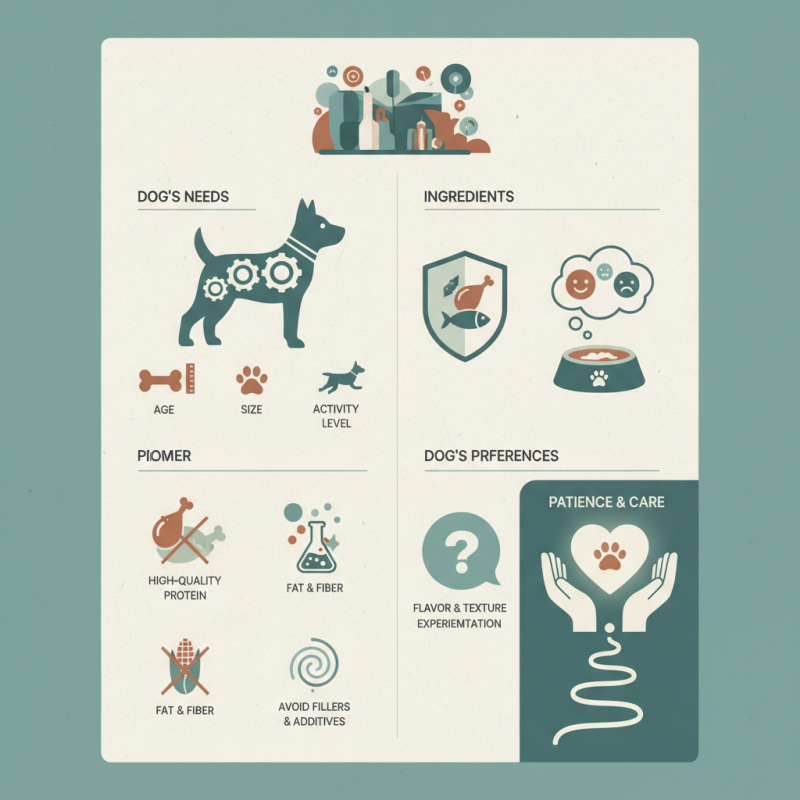
Your dog’s specific needs should guide your decision. Factors like age, size, and activity level matter. Look for high-quality protein sources in the ingredient list. Avoid fillers such as corn and artificial additives. Pay attention to fat and fiber content, as they influence digestion and energy levels.
It’s also important to consider your dog’s preferences. Some dogs may not like specific flavors or textures. Experimenting can take time, and not every product will be a hit. Reflecting on your dog's reactions helps refine choices. Ultimately, finding healthy dry dog food that works for your furry friend requires patience and care.
Understanding Your Dog's Nutritional Needs
Understanding your dog's nutritional needs is essential for their health. Dogs require a balanced diet to thrive. This includes proteins, carbohydrates, fats, vitamins, and minerals. Each nutrient plays a vital role in their growth and energy levels.
Proteins are crucial. They help build muscles and repair tissues. Look for high-quality sources like meat or fish. Carbohydrates provide energy. Whole grains and vegetables are excellent choices. Fats are also necessary; they support skin health and overall vitality. Don’t forget the importance of hydration. Fresh water must always be available.
It's easy to overlook individual needs. Each dog is different. Age, size, and activity level matter when choosing food. Puppies require more protein than adults. Seniors may need fewer calories. Always observe your dog’s weight and health. If they seem lethargic or gain weight, rethink their diet. Make adjustments as needed.
Dog Nutritional Needs: Analysis of Key Nutrients
Key Ingredients to Look for in Healthy Dry Dog Food
Choosing healthy dry dog food is vital for your pet’s wellbeing. Focus on key ingredients that promote their health. Look for high-quality protein sources like chicken, beef, or fish. A report by the Association of American Feed Control Officials (AAFCO) states that protein should be the first ingredient in any quality dog food.
In addition to protein, whole grains and vegetables are important. Brown rice, oatmeal, and sweet potatoes provide essential nutrients. They also support digestive health. The National Research Council suggests that dogs require a balanced diet rich in carbohydrates for energy.
Tip: Always check for the AAFCO statement on the label. It confirms the food meets nutritional standards. Also, consider the specific needs of your dog. Puppies, adults, and seniors have different dietary requirements. Keep in mind that not all ingredients are equally beneficial. For example, excessive fillers like corn and soy can lead to allergies. Look for a balance of healthy fats to support skin and coat health.
2026 How to Choose Healthy Dry Dog Food for Your Pet? - Key Ingredients to Look for in Healthy Dry Dog Food
| Ingredient |
Benefits |
Source |
| Chicken |
High-quality protein for muscle development |
Animal source |
| Brown Rice |
Good source of carbohydrates and energy |
Grain source |
| Sweet Potatoes |
Rich in vitamins and antioxidants |
Vegetable source |
| Fish Oil |
Supports skin and coat health |
Animal source |
| Peas |
Provides protein and fiber |
Plant source |
| Carrots |
Supports vision and immune health |
Vegetable source |
Avoiding Harmful Additives and Fillers in Dog Food
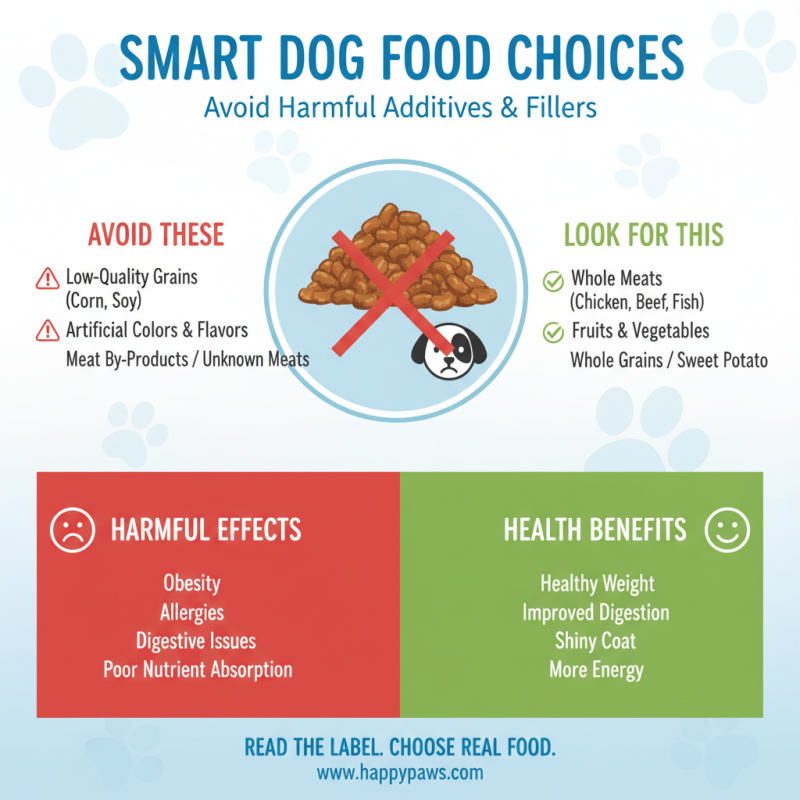
When choosing dry dog food, it’s crucial to focus on avoiding harmful additives and fillers. Many commercial dog foods include low-quality ingredients that can negatively affect your pet’s health. These fillers offer little nutritional value and can lead to obesity and other health issues.
Look for dog foods with whole ingredients. Ideally, the first few ingredients should be recognizable and nutritious. For example, meat should be a primary component. Avoid foods that list grains or by-products as their main ingredients. These often serve as fillers instead of providing real nutrition.
Tips: Always read labels carefully. Check for artificial preservatives, colors, or flavors. These components may be harmful to your dog. Keep an eye out for ingredients like "corn gluten" or "animal meal," which are usually indicators of poor quality. Quality matters. A bit of research can go a long way in ensuring your dog’s food is wholesome and healthy. Consider consulting your veterinarian for recommendations tailored to your dog’s needs.
Evaluating Dog Food Brands and Their Reputation
When choosing dry dog food, brand reputation matters. Researching a dog food brand can reveal much about its quality. Look for companies with a long-standing history. A brand that has been around for years is often more trustworthy.
Check for reviews and testimonials. Pet owner experiences can highlight strengths and weaknesses. There's no perfect food for every dog. Some brands may excel in protein content but lack in vitamins. Always consider your dog's specific needs.
**Tips:** Explore online forums for unbiased opinions. Join local pet groups to discuss experiences. Ask your vet about different brands too.
Transparency is key. Brands should openly share their sourcing and ingredient lists. Be cautious of brands that are vague. Remember that a flashy package doesn't guarantee quality inside. Regularly evaluate your dog's health after changing food. Adjustments may be necessary based on your dog's responses and energy levels.
How to Transition Your Dog to a New Dry Food Diet
Transitioning your dog to a new dry food diet can be challenging. Start by introducing the new food gradually.
Mix a small amount of the new food with the old food. This way, your dog can slowly adapt to the new taste and texture.
Monitor your dog closely during this process. Watch for any signs of digestive upset, like diarrhea or vomiting.
Aim for a transition period of about seven to ten days. Increase the new food gradually. For the first few days, use a 75-25 ratio of old to new food.
After a few days, swap to a 50-50 blend. It's important to be patient. Some dogs take longer to adjust than others.
If your dog refuses to eat, don't panic. This might indicate the new food isn't appealing.
Try mixing in a bit of warm water or a small amount of broth. Ensure the food is suitable for their age and dietary needs. If issues persist, consult your
vet for advice. Reflection is key during this time. Think about your dog’s habits and preferences.
This helps in making a better choice for their nutrition.