How to Choose the Best Duck Dog Food for Your Dog?

Choosing the best duck dog food is not simply a matter of picking the most expensive bag. Your dog’s age, size, activity level, allergies, and health history all matter. A growing puppy needs different nutrients from a senior dog that sleeps beside the radiator. An active retriever may need more calories than a small companion dog.

Duck can provide a flavorful protein source for selective eaters. However, it is not automatically hypoallergenic. Some dogs may still react to duck, especially if they have eaten it often. Check the ingredient list carefully. Look for a named duck source, appropriate protein levels, and a complete-and-balanced nutritional statement for your dog’s life stage. Trusted feeding standards, such as those established by recognized veterinary nutrition authorities, can offer useful guidance.

Your veterinarian should help when your dog has chronic itching, vomiting, weight loss, or loose stools. Food trials require consistency. Extra treats can quietly weaken the results. Introduce new duck dog food gradually over several days, while watching appetite, stool quality, skin, and energy. A shiny package cannot replace observation.

There is no perfect formula for every dog. Even a reputable product may not suit yours. Keep notes, question bold claims, and reassess after the first few weeks. The right choice should support steady energy, comfortable digestion, and a healthy coat—not merely an appealing ingredient on the front label.
How to Choose the Best Duck Dog Food for Your Dog?

Understanding Your Duck Dog’s Nutritional Needs

Duck is an ingredient, not a complete nutrition plan. Your dog still needs balanced protein, fat, vitamins, minerals, and enough energy. The AAFCO Official Publication lists 18% crude protein and 5.5% fat as minimum dry-matter levels for adult maintenance diets. Puppies need higher minimums: 22.5% protein and 8.5% fat. These figures matter more than attractive pictures of roasted duck.

Check the complete-and-balanced statement before buying. Then compare nutrients on a dry-matter basis, because moisture can distort the label.

The NRC’s Nutrient Requirements of Dogs and Cats also emphasizes energy needs based on body size, age, activity, and health. Watch your dog eating. A lean dog may need more calories, while a quiet, sterilized dog may gain weight quickly. A full bowl is not always appropriate.

Duck can be useful for dogs that tolerate it, but it is not automatically hypoallergenic. Cross-contact with chicken or beef may still occur during manufacturing. Observe itchy ears, soft stools, vomiting, or persistent paw licking. Keep a simple food diary for two weeks. I once assumed a protein change caused improvement, but treats had changed too. That mistake is easy to repeat. A veterinarian can interpret symptoms and recommend controlled trials when allergies or medical conditions are suspected.
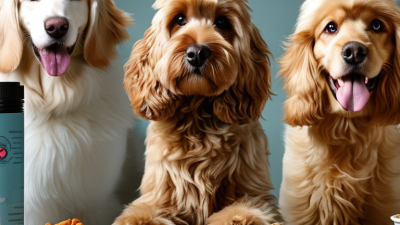

Comparing Duck-Based Dog Food Ingredients and Formulas

Choosing the best duck dog food starts with comparing the formula, not the front label. “Duck” may mean fresh meat, duck meal, or rendered duck fat. Duck meal is concentrated because cooking removes water. Fresh duck contains much more moisture, so its listed position can look stronger than its actual protein contribution.

Check the guaranteed analysis, then compare nutrients on a dry-matter basis. AAFCO’s 2024 Dog and Cat Food Nutrient Profiles provide minimum nutrient targets, but they do not rank recipes by quality. A food should clearly state nutritional adequacy for your dog’s life stage.

WSAVA nutrition guidance also recommends reviewing calorie content, feeding trials, formulation expertise, and manufacturer transparency. Small details matter. Look for named animal proteins, measured fat, fiber, and useful omega-3 sources.

Duck formulas often include peas, potatoes, rice, or oats. Compare their amounts and roles rather than assuming grain-free means superior. FEDIAF’s 2024 Nutritional Guidelines emphasize balanced amino acids, vitamins, minerals, and energy, not one fashionable ingredient. A duck recipe can suit some sensitive dogs, but duck is not automatically hypoallergenic. Cross-contact may also weaken an elimination diet.

I would record stool quality, coat condition, appetite, and weight for several weeks. My checklist can still miss individual tolerance. Veterinary guidance remains important, especially for puppies, older dogs, or dogs with diagnosed allergies.

Checking Protein, Fat, and Essential Nutrient Levels

Choosing duck-based dog food requires more than spotting duck on the ingredient list. Protein and fat percentages should be checked on a dry-matter basis. The AAFCO Dog Food Nutrient Profiles list at least 18% protein and 5.5% fat for adult maintenance diets. Puppies and reproducing dogs require higher minimums: 22.5% protein and 8.5% fat. These figures are useful starting points, not automatic guarantees.

Duck can provide highly digestible animal protein, but recipes still need balanced amino acids. The National Research Council’s Nutrient Requirements of Dogs and Cats identifies calcium, phosphorus, zinc, copper, iodine, and vitamin D as essential nutrients. Look for a clear nutritional adequacy statement. Vague wording makes comparison harder. I would also check calories per cup, because fat supplies over twice the energy of protein. A rich formula may quietly encourage weight gain.

Fat quality matters. The 2024 FEDIAF Nutritional Guidelines emphasize essential fatty acids, including linoleic acid and omega-3 fatty acids. EPA and DHA may support skin, coat, and normal inflammatory function. However, labels often provide total fat without detailed fatty-acid amounts. That is a weakness worth noticing. In practice, I would compare the guaranteed analysis, calorie density, feeding response, stool quality, and body condition together. A shiny coat alone proves very little.

Selecting the Right Food for Your Dog’s Age and Health

Choosing duck dog food begins with your dog’s age, not the meat listed on the package. Puppies need balanced calcium, phosphorus, protein, and calories for steady growth. An adult dog usually needs fewer calories, especially after neutering or reduced daily exercise. Senior dogs may benefit from controlled calories, highly digestible protein, and nutrients supporting mobility.

Watch your dog at mealtimes. A shiny coat means little if stools stay loose or weight keeps rising. Duck can provide a useful protein option, especially when your dog dislikes common meats. However, duck is not automatically gentle. Some dogs may still react to it. Introduce new food slowly over seven to ten days, mixing increasing portions with the current diet.

Health changes require more care. Dogs with kidney, liver, digestive, or pancreatic problems may need specific nutrient limits. Ask a veterinarian before changing food for these conditions. A veterinary nutritionist can review the ingredient list and confirm nutritional adequacy for your dog’s life stage. Look for feeding guidance based on recognized complete-and-balanced standards. Check the feeding amount against body condition, not only the package chart. I would also recheck weight after two weeks, because even careful portions can be too generous. My own first assumption would be simple: good ingredients must mean good results. That is not always true.

Introducing Duck Dog Food Safely and Monitoring Results

Introducing duck dog food should be a gradual process, not an overnight switch. Choose a complete and balanced recipe that matches your dog’s age, size, and health needs. Duck is not automatically hypoallergenic. It may help some sensitive dogs, but only if they have not eaten it often before. A veterinarian can guide a proper elimination diet when allergies are suspected.

Mix a small amount of duck food with the current food for seven to ten days. Start with about 25 percent duck food. Increase the portion slowly if your dog remains comfortable. Watch the bowl and the dog. Loose stools, vomiting, gas, ear redness, or repeated scratching need attention. Stop the transition and contact a veterinarian if symptoms are severe or continue. Clean hands and bowls after handling wet food, and refrigerate leftovers promptly.

Keep a simple daily record. Note appetite, stool shape, energy, skin changes, and body weight. These details are more useful than a quick guess after one meal. Some dogs improve within weeks, while others show no benefit. I would not assume duck is the answer too soon. My own preference is to change only one major diet factor at a time, although real life sometimes makes that difficult. Treats and table scraps can quietly affect the results. Recheck the plan with a veterinarian if your dog is growing, pregnant, elderly, or managing a medical condition.