Why Choosing Lamb Dog Food is Beneficial for Your Pet's Health and Nutrition
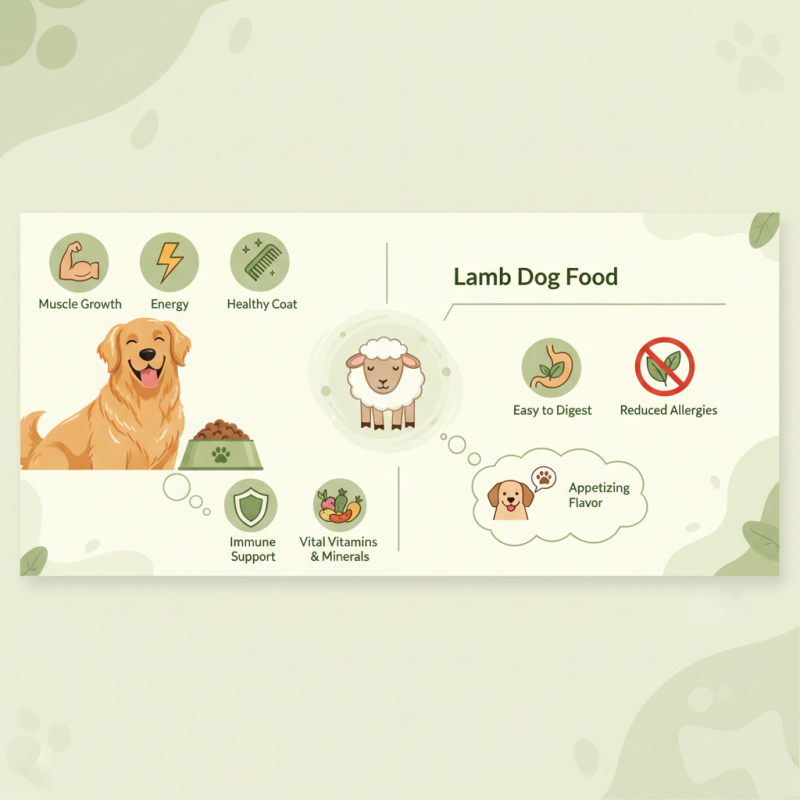
Choosing the right dog food is a crucial aspect of ensuring your pet's overall health and well-being. Among the numerous options available on the market, lamb dog food has emerged as a highly beneficial choice for many dog owners. Rich in high-quality protein, lamb dog food provides essential nutrients that contribute to a balanced diet, promoting muscle growth, energy levels, and a healthy coat for your furry friend. This specific type of dog food is particularly advantageous for dogs with certain dietary sensitivities, as it is often easier to digest and less likely to trigger allergic reactions compared to other protein sources.
In addition to being a digestible protein option, lamb dog food is packed with vital vitamins and minerals that support your pet's immune system and overall health. The unique flavor of lamb is also appealing to many dogs, making mealtime an enjoyable experience. As pet owners become more aware of the importance of proper nutrition, lamb dog food stands out as a versatile and nutritionally enriching choice that can cater to the distinct needs of various dog breeds and life stages. Embracing lamb dog food not only nourishes your pet’s body but also enhances their quality of life, ultimately contributing to a happier, healthier companion.
Benefits of Lamb as a Novel Protein Source in Dog Food
Lamb has emerged as a popular choice in dog food formulations, particularly as a novel protein source that provides numerous benefits for canine health and nutrition. According to the Association of American Feed Control Officials (AAFCO), lamb is a high-quality protein that is rich in essential amino acids, which are vital for maintaining muscle mass and overall vitality in pets. This protein source is especially beneficial for dogs with food sensitivities or allergies to more common proteins like chicken or beef, as it is less likely to trigger adverse reactions.
Moreover, lamb is packed with essential nutrients such as zinc, iron, and B vitamins, which play a crucial role in supporting a healthy immune system and promoting optimal energy levels. A study published in the Journal of Animal Science highlights that lamb's fatty acid composition, particularly its moderate levels of omega-3 and omega-6 fatty acids, can contribute to healthy skin and a shiny coat, further enhancing a dog's overall well-being. By incorporating lamb into a dog's diet, pet owners can provide a nutrient-dense alternative that supports both health and palatability, ensuring their pets receive the balanced diet they need.
High Nutritional Value: Amino Acids and Essential Fatty Acids in Lamb
Lamb dog food is increasingly recognized for its high nutritional value, particularly due to its rich content of amino acids and essential fatty acids. Amino acids are the building blocks of protein, which is crucial for maintaining your dog's muscle health, immune system, and overall vitality. Lamb, being a highly digestible protein source, helps ensure that dogs can absorb and utilize these amino acids effectively, promoting healthy growth and development.
In addition to amino acids, lamb is an excellent source of essential fatty acids, which play a vital role in various bodily functions. These fatty acids contribute to healthy skin and a shiny coat, support brain development, and help maintain proper inflammatory responses. Moreover, essential fatty acids are important for heart health and can aid in reducing the risk of chronic diseases. By including lamb in your dog's diet, you are providing them with a well-rounded source of nutrition that fosters not only their physical health but also their overall wellbeing.
Digestive Health: Lamb Dog Food for Dogs with Food Sensitivities
When it comes to feeding dogs with food sensitivities, lamb dog food can be a game changer. This protein source is novel for many dogs, meaning they are less likely to have previously developed allergies or intolerances to it. Lamb is also gentler on the digestive system, which is crucial for dogs that struggle with gastrointestinal issues. By choosing lamb dog food, pet owners can provide their canine companions with a nutritious diet that supports overall health while minimizing the risk of digestive disturbances.
To optimize your dog’s digestive health with lamb dog food, start by gradually introducing it into their diet. Mixing it with their current food over a few days allows their digestive system to adapt without overwhelming it. Additionally, ensure that the lamb dog food includes high-quality ingredients and is formulated with essential nutrients to support your dog's specific health needs.
Tip: Keep an eye on your dog's stool quality when transitioning to a new food. Consistent loose stools can indicate a sensitivity, so adjust the transition period accordingly. Also, consult your veterinarian if you notice any adverse effects, as they can provide tailored advice based on your dog's unique health profile.
Benefits of Lamb Dog Food for Digestive Health
Comparative Analysis: Lamb Dog Food vs. Traditional Protein Sources
When comparing lamb dog food to traditional protein sources such as chicken or beef, several key benefits emerge. Lamb is considered an excellent alternative protein for dogs, especially those with sensitivities or allergies to more common meats. It is typically easier to digest, which can help minimize gastrointestinal discomfort in pets. Moreover, lamb is rich in essential fatty acids and amino acids, promoting healthy skin and a shiny coat, making it a top contender for enhancing overall pet health.
Tips for transitioning your dog to lamb dog food include gradually mixing it with your dog's current food to prevent digestive upset. Start with a ratio of 25% lamb food to 75% old food, and slowly increase the lamb as your dog adapts. Additionally, monitoring your dog for any allergic reactions during this transition is a good practice to ensure their well-being.
Another advantage of lamb over traditional protein sources is its nutrient profile. Lamb is often higher in iron and zinc, which are vital for energy production and immune function. This can be particularly beneficial for active dogs or those recovering from illness. When selecting dog food, look for products that highlight lamb as the primary ingredient and ensure it meets your dog's nutritional needs.
Industry Insights: Trends in Pet Nutrition Featuring Lamb-Based Diets
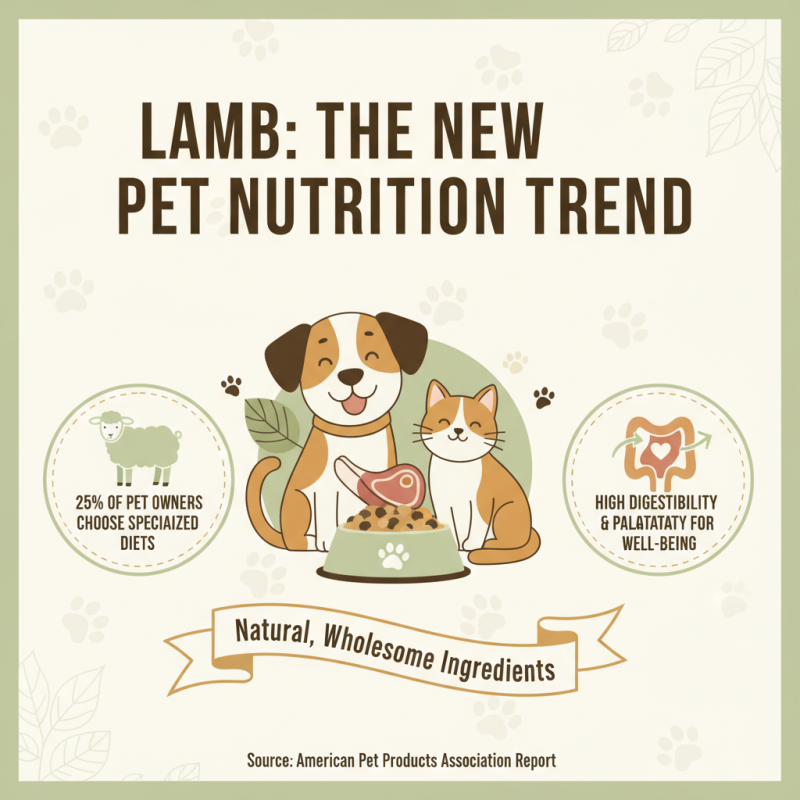
In recent years, the pet nutrition industry has witnessed a notable shift towards lamb-based diets, driven by an increasing awareness of the health benefits associated with this protein source. According to a report by the American Pet Products Association, approximately 25% of pet owners are now opting for specialized diets, with lamb emerging as a popular choice due to its high digestibility and palatability. This trend reflects a broader movement towards more natural and wholesome ingredients in pet food, aligning with owners’ desires to promote their pets' overall well-being.
Moreover, studies indicate that lamb is particularly beneficial for pets with food sensitivities. Research published in the Journal of Animal Science reveals that lamb is less likely to cause allergies in dogs compared to more common proteins like chicken or beef. This observation underscores the importance of offering pet foods that cater to individual dietary needs, enhancing both health outcomes and quality of life. As consumer preferences evolve, the pet food market has been responding by developing innovative lamb-based formulations that meet the growing demand for specialized nutrition. Overall, these insights reflect a significant trend towards prioritizing nutritional value and health benefits in pet diets, highlighting lamb as a strong contender in the promising landscape of pet nutrition.