What Is Lamb Dog Food and Is It Good for Dogs?

Lamb dog food has moved from a specialty choice to a familiar option on pet-store shelves. The American Pet Products Association reported that 66% of U.S. households owned a pet in its 2023–2024 National Pet Owners Survey. That scale matters. More owners now compare protein sources, ingredient lists, calories, and feeding claims carefully. Still, a premium-looking bag is not automatically a better diet.

Lamb is an animal-based protein that can supply amino acids, fats, vitamins, and minerals. Its value depends on the complete recipe, not the meat name alone. The FDA explains that “complete and balanced” claims must follow established nutritional standards or feeding-test requirements. AAFCO’s Dog and Cat Food Nutrient Profiles provide those standards, although AAFCO itself is not a federal regulator. Read the label closely. “With lamb” may contain only a small amount of lamb, while “lamb dinner” follows a different ingredient-labeling convention.

Some dogs may tolerate lamb better than chicken or beef. That does not make lamb universally hypoallergenic. Veterinary dermatology guidance commonly recommends a controlled elimination diet when food allergy is suspected. Treats can quietly defeat the trial. This is where real-world feeding gets messy.

A dog’s age, body condition, activity, medical history, and total calorie intake should guide the decision. WSAVA nutrition guidance also emphasizes qualified formulation, calories, and nutritional adequacy over marketing language. Lamb can be a sensible choice. It can also be unnecessarily rich, costly, or poorly balanced. This guide examines what lamb dog food contains, when it may help, and where owners should remain skeptical.
What Is Lamb Dog Food and Is It Good for Dogs?

What Lamb Dog Food Is and How It Is Made

Lamb dog food is a recipe that uses lamb as a principal animal ingredient. It may contain fresh lamb, frozen lamb, or lamb meal. Lamb meal is rendered, cooked, and ground into a concentrated protein source. This process removes much of the water before mixing.

Manufacturers usually blend lamb with grains, vegetables, oils, vitamins, and minerals. Extruded foods pass the mixture through heat and pressure, then dry it into small pieces. Canned recipes use more water and receive heat treatment inside sealed containers.

The 2024 AAFCO Dog and Cat Food Nutrient Profiles set adult-dog minimums at 18% crude protein and 5.5% crude fat on a dry-matter basis. These figures describe adequacy, not guaranteed quality.

A food is suitable only when its complete-and-balanced statement matches the dog’s life stage. FEDIAF’s 2024 Nutritional Guidelines also stress energy needs, amino acids, minerals, and safe nutrient balance.

Lamb can help dogs that dislike common proteins, but it is not automatically hypoallergenic. Cross-contact may occur during factory production. I have seen owners trust the word lamb too quickly. Check the full ingredient panel and feeding statement.

No recipe fits every dog. Itchy skin, loose stools, or weight changes deserve veterinary review, not guesswork.

Key Nutrients Found in Lamb-Based Dog Food

What Is Lamb Dog Food and Is It Good for Dogs?

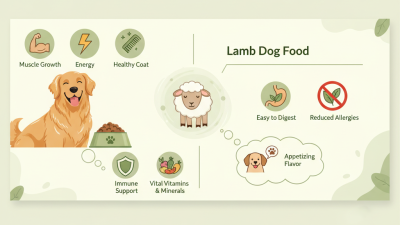
Lamb dog food uses lamb as a main animal protein, often with grains, vegetables, or legumes. Its value depends on the complete recipe, not the meat alone. Lamb provides highly digestible protein for muscles, skin, and tissue repair. It also supplies iron, zinc, selenium, and vitamin B12. These nutrients support oxygen transport, immune function, and normal nerve activity. A shiny coat may reflect balanced nutrition, but it is not proof of a perfect diet.

Lamb contains useful fats, including some omega-3 and omega-6 fatty acids. These fats help maintain the skin barrier and support energy needs. However, lamb is not automatically low-fat. Fat levels vary widely between cuts and formulas. Check the guaranteed analysis, especially for dogs that gain weight easily. Puppies also need carefully controlled calcium and phosphorus for bone growth. A recipe labeled complete and balanced for the correct life stage is important. Small details matter.

Some owners choose lamb when a dog reacts poorly to another protein. That choice can make sense, but lamb is not allergy-proof. Dogs can develop allergies to any animal protein. It is also easy to confuse intolerance with an unrelated stomach problem. A veterinarian can guide an elimination diet and review symptoms. I would avoid judging a food after one meal. Stool quality, itching, appetite, body weight, and energy need observation over several weeks. Even then, the result may be imperfect.

How Lamb Dog Food May Benefit Different Dogs

What Is Lamb Dog Food and Is It Good for Dogs?

How Lamb Dog Food May Benefit Different Dogs

Lamb dog food uses lamb as a main animal protein source. It may suit dogs that dislike poultry-based recipes. Some dogs also enjoy its richer smell and softer flavor. That matters when appetite drops during stress, travel, or recovery. Lamb provides protein for muscle maintenance, skin repair, and daily energy. Many formulas include rice, oats, vegetables, or other carbohydrates. The full ingredient list matters more than the meat name. Check the guaranteed analysis and feeding instructions carefully.

Dogs with suspected food reactions may benefit from a lamb-based trial. However, lamb is not automatically hypoallergenic. A dog can react to any protein. A veterinarian should guide elimination diets and allergy testing. Lamb may also help older dogs needing steady, digestible nutrition. Choose an appropriate calorie level for lower activity. Puppies need recipes designed for growth, especially large breeds. Overfeeding a rich formula can cause loose stools or unwanted weight gain. Watch the bowl, coat, stool, and energy levels.

The honest limitation is simple: lamb will not solve every digestive problem. Some dogs need a different protein, fiber balance, or medical treatment. Sudden food changes may create the very stomach upset owners hope to prevent. Transition gradually over several days. Reassess after a few weeks, not one meal. Personal observation helps, but veterinary advice carries more weight.

Possible Risks and Dietary Concerns to Consider

What Is Lamb Dog Food and Is It Good for Dogs?

Possible Risks and Dietary Concerns to Consider

Lamb dog food uses lamb as its main animal protein, often with grains, vegetables, fats, and essential nutrients. It may suit dogs that dislike poultry or need a different protein source. However, lamb is not automatically hypoallergenic. Some dogs can still react to it, even after eating it for years. Watch for itchy ears, red skin, vomiting, loose stools, or repeated paw licking.

Calorie density deserves attention. Lamb-based recipes may contain noticeable fat, which can worsen weight gain or digestive upset in some dogs. A greasy bowl may seem satisfying, but it can leave a sensitive dog uncomfortable overnight. Dogs with pancreatitis, obesity, or certain medical conditions may need stricter fat control. Treats also count. Many owners forget that small snacks can quietly exceed daily calories.

Nutritional balance matters more than the meat name. Check whether the food is complete and suitable for your dog’s life stage. Puppies, seniors, and pregnant dogs have different nutritional needs. Homemade lamb meals can become deficient in calcium, zinc, or key vitamins without professional formulation. Introduce a new diet gradually over several days. That reduces avoidable stomach problems. If symptoms continue, stop guessing and contact a veterinarian. One honest limitation remains: no single protein works perfectly for every dog.

How to Choose and Serve Lamb Dog Food Safely

Lamb dog food uses lamb as a primary animal protein, fresh, dried, or rendered as lamb meal. It can suit dogs that digest other meats poorly, but “lamb” on the front label does not prove a limited-ingredient recipe. Check the full ingredient list. Look for a nutritional adequacy statement, life-stage suitability, calorie information, and complete mineral balance. AAFCO’s 2024 Dog and Cat Food Nutrient Profiles provide recognized nutrient targets, while FEDIAF’s 2024 guidelines support similar evidence-based evaluation.

Serving safely starts with portion control. Measure food with a kitchen scale, not a filled cup. A 20-kilogram adult dog may need very different calories from another dog of the same weight. Follow the package guide, then adjust for body condition, exercise, age, and veterinary advice. Transition gradually over seven to ten days. Watch for loose stool, itching, repeated ear problems, or vomiting. A food trial needs strict consistency; lamb treats can quietly spoil the results.

Keep the bowl clean and refrigerate opened wet food promptly. FDA and CDC guidance warns that raw pet food can carry pathogens, so cooked lamb food is the safer routine choice for most households. Never serve cooked bones, greasy table scraps, or heavily seasoned lamb. I once assumed “premium” meant nutritionally complete. That assumption was weak. Labels deserve closer reading, and dogs deserve observation after every diet change.