Premium dog food is more than a glossy bag or a higher price. It usually signals carefully selected ingredients, stronger quality controls, specialized recipes, or added functional benefits. Yet “premium” has no universal nutritional definition. Buyers should look beyond front-label language.
The market is expanding. The American Pet Products Association reported $147 billion in United States pet-industry spending during 2023. Food and treats represented about $58 billion, showing how strongly owners prioritize daily nutrition. Euromonitor International’s 2024 pet-care analysis also highlights continuing premiumisation, especially among owners seeking health, convenience, and personalization. These reports describe spending behavior, not proof that expensive food improves every dog.
That distinction matters.
Veterinary nutritionist Dr. Lisa Freeman of Tufts University offers a useful caution: “There is no one ‘best’ diet for all pets.” Her advice supports an evidence-led approach. A senior Labrador with stiff joints may need a different formula from a young, active terrier. A sensitive stomach may value digestibility more than exotic proteins. Small details matter, including feeding trials, calorie density, manufacturer transparency, and complete-and-balanced labeling.
Buyers often choose premium dog food because it feels safer and more responsible. The sealed bag, clear ingredient panel, and targeted claims can create confidence. But confidence is not evidence. WSAVA nutrition guidance recommends evaluating the company’s formulation expertise, quality control, research, and openness about nutrient information.
The category is persuasive, but imperfect. A premium price can reflect useful investment, branding, or both. Smart buyers compare the label with veterinary guidance, the dog’s condition, and measurable results over time.
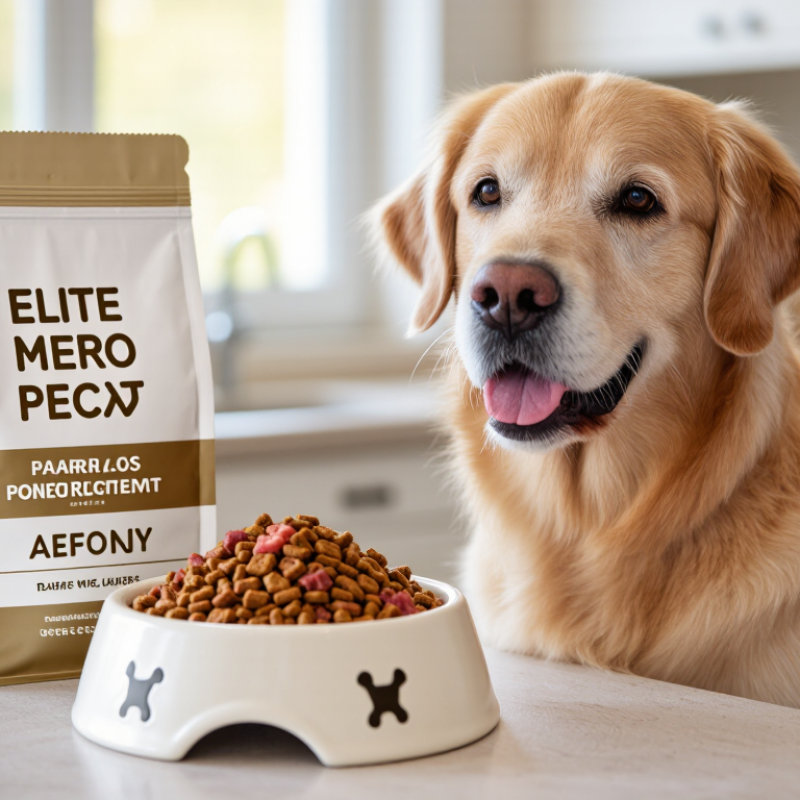
Premium dog food generally means a product positioned above standard formulas in ingredient selection, quality control, and nutritional detail. However, “premium” has no single legal definition in the United States. The AAFCO Official Publication 2024 focuses on nutrient profiles, labeling, and feeding requirements, not premium status. A reliable formula should clearly state its life-stage purpose and meet complete-and-balanced standards.
Core features may include named animal proteins, controlled mineral levels, digestibility testing, and traceable manufacturing practices. Some products also provide feeding trials or laboratory analysis. These details matter because dogs differ in age, activity, size, and health needs. The American Pet Products Association reported U.S. pet industry spending of $152 billion in 2024. That growth encourages better product development, but it also increases marketing noise. A glossy ingredient panel is not proof of superior nutrition. I would check the evidence more carefully.
Tips: Look for an AAFCO nutritional adequacy statement, clear calorie information, and feeding guidance. Compare protein, fat, fiber, and moisture on a dry-matter basis. Ask a veterinary professional about allergies, weight control, or chronic conditions. Avoid choosing food only because it costs more. Price can reflect packaging, sourcing, or distribution, rather than measurable health benefits. Keep the receipt and observe stool quality, appetite, coat condition, and body weight for several weeks. Changes are often gradual.

Premium dog food is not defined by a glossy package or an expensive price. Buyers usually look for clear nutritional standards, reliable testing, and ingredients that support everyday health. A complete and balanced formula should provide appropriate protein, fat, vitamins, and minerals for a dog’s life stage.
Ingredient quality matters, but it needs careful interpretation. Named animal proteins, digestible carbohydrates, and measured fat sources can make a recipe easier to evaluate. Fresh meat may sound attractive, yet the full formula matters more than one highlighted ingredient. Nutritional value depends on preparation, nutrient balance, and feeding amounts.
Read the label closely. Check the life-stage statement, guaranteed analysis, calorie content, and feeding instructions. Manufacturers should also use quality-control systems and laboratory testing to verify nutrient levels. Veterinary nutrition experts can help assess whether a formula suits puppies, older dogs, or animals with medical needs.
Marketing language can mislead. “Natural” does not automatically mean complete. “Grain-free” does not automatically mean superior. A practical mistake is judging food by its first ingredient alone. I have seen owners overlook calories while focusing on protein percentages. That choice may contribute to weight gain.
Good evidence is sometimes less visible than attractive packaging. Look for transparent company information, consistent batch testing, and feeding guidance that matches your dog’s size and condition. Individual dogs can respond differently, so monitoring stool quality, energy, coat condition, and body weight remains important. No label replaces careful observation.
Premium dog food usually differs from standard options through ingredient quality, formulation, and production controls. It may feature clearly named animal proteins, carefully selected carbohydrates, and added nutrients with a defined purpose. Standard food can still meet basic nutritional requirements, but its ingredients may be less specific or easier to overlook on the label. Read the details. “Animal fat” gives less information than a named fat source. Premium formulas may also use veterinary nutritionists, laboratory testing, and feeding trials to check nutrient balance and digestibility. These steps add cost, but they can improve consistency between batches.
In daily life, the difference may appear in smaller stools, steadier energy, or a shinier coat. Not every dog shows these changes. Some dogs react poorly to rich recipes, even when the food sounds impressive. A highly active dog may need more calories, while an older dog may need adjusted protein, fat, or mineral levels. Ingredient lists alone cannot prove superior nutrition. Marketing language can create false confidence. I have found that gradual diet changes are safer than sudden switches, especially for dogs with sensitive stomachs. Water intake, appetite, stool quality, and body condition deserve attention for several weeks. A premium price does not replace professional advice or careful observation.
Premium dog food usually means more than a higher price. Buyers often look for specific ingredients, balanced nutrition, and stronger quality controls. They want to know whether the recipe uses named proteins, suitable fats, and essential vitamins. Clear labeling helps them compare products without guessing. A feeding trial or nutritional review can provide additional confidence. Still, “premium” has no single global definition. Price alone proves very little.
Many buyers notice practical changes after switching diets. Their dogs may produce smaller stools, maintain steadier energy, or show a softer coat. Some owners choose specialized formulas for puppies, older dogs, sensitive stomachs, or weight management. Others value careful sourcing and consistent manufacturing standards. Convenience matters too. Measured portions save time on busy mornings. A veterinarian can help assess whether the food fits a dog’s age, health, and activity level. However, premium food is not automatically better for every dog. Some dogs dislike rich recipes or develop digestive upset during a rushed transition. I have seen owners focus on impressive ingredient lists while overlooking calorie density. That is an easy mistake. Buyers often balance visible benefits against monthly cost, feeding amounts, and their dog’s actual response.
Premium dog food is not a legally standardized category. Buyers often compare nutrient density, ingredient transparency, and life-stage suitability when choosing higher-priced formulas. As a factual reference, AAFCO nutrient profiles set minimum crude protein and crude fat levels on a dry-matter basis: adult-maintenance foods require at least 18% protein and 5% fat, while growth and reproduction foods require at least 22.5% protein and 8.5% fat.
Premium dog food often promises better ingredients, careful processing, and stronger nutritional support. However, “premium” is mainly a marketing term, not a regulated guarantee. A higher price does not automatically mean a better meal.
Evaluate the food against your dog’s real needs. Puppies require controlled nutrients for growth, while older dogs may need fewer calories. Active dogs often need more energy than relaxed indoor companions. Check the calorie content, protein sources, fat levels, and feeding guidance. A clear nutritional adequacy statement is useful evidence. For dogs with allergies, examine every ingredient and avoid guessing from vague claims. A veterinarian can help when symptoms include itching, vomiting, weight loss, or persistent diarrhea. Ingredient lists matter, but they do not tell the whole story. Digestibility and nutrient balance can be difficult for ordinary buyers to judge. My checklist is helpful, but not flawless.
Tips: Change foods gradually over seven to ten days. Watch stool quality, energy, coat condition, and body weight. Keep a simple feeding record. Small details matter. A dog may reject an expensive formula or thrive on a less fashionable option. For medical conditions, ask a qualified veterinary professional before changing the diet. Reassess the food after several weeks, because a promising label cannot replace your dog’s daily response.