How to Make Salmon and Sweet Potato Dog Food for Optimal Health

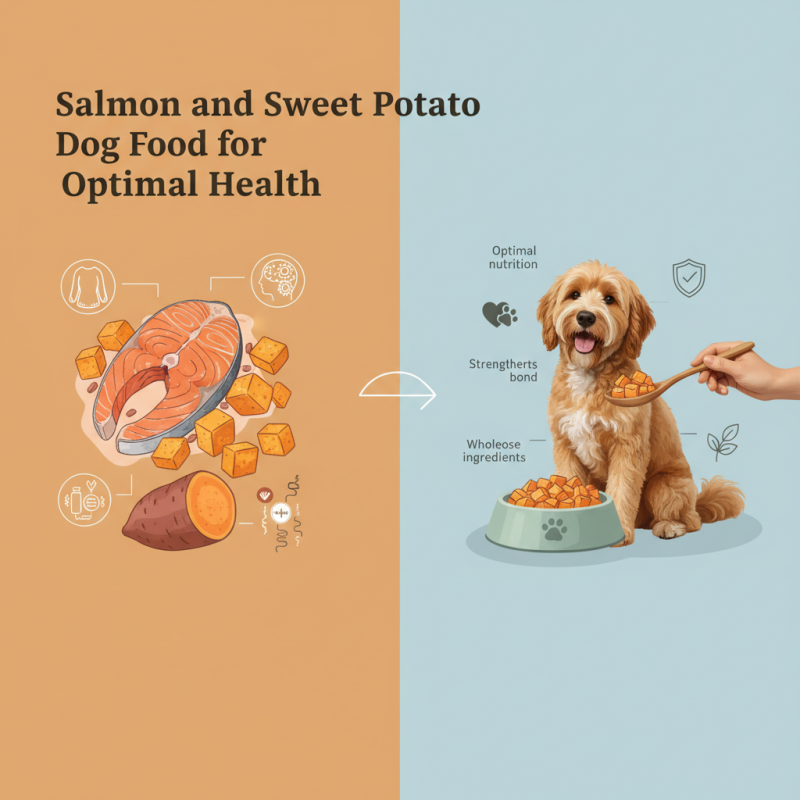
When it comes to dog nutrition, pet owners are increasingly seeking homemade options that offer both health benefits and irresistible flavor. One winning combination that stands out is salmon and sweet potato dog food. Rich in essential fatty acids, salmon promotes a shiny coat and supports cognitive function, while sweet potatoes are packed with vitamins and serve as a fantastic source of dietary fiber. Together, these ingredients create a balanced meal that not only satisfies your dog's taste buds but also contributes to their overall well-being.

Crafting your own salmon and sweet potato dog food allows you to control the quality of ingredients and ensure that your pet receives optimal nutrition. This homemade approach empowers pet owners to cater to specific dietary needs or allergies, making it an excellent choice for dogs with sensitivities to commercial dog food formulations. Additionally, the process of preparing this delightful dish can strengthen the bond between you and your furry friend, as they’ll appreciate the love and effort poured into every bowl.

In this guide, we will explore the step-by-step process of creating delicious salmon and sweet potato dog food, as well as the numerous health benefits it offers. By integrating these wholesome ingredients into your dog’s diet, you’ll be setting them on a path to a healthier and happier life.
How to Make Salmon and Sweet Potato Dog Food for Optimal Health

Understanding the Nutritional Benefits of Salmon and Sweet Potatoes for Dogs

How to Make Salmon and Sweet Potato Dog Food for Optimal Health

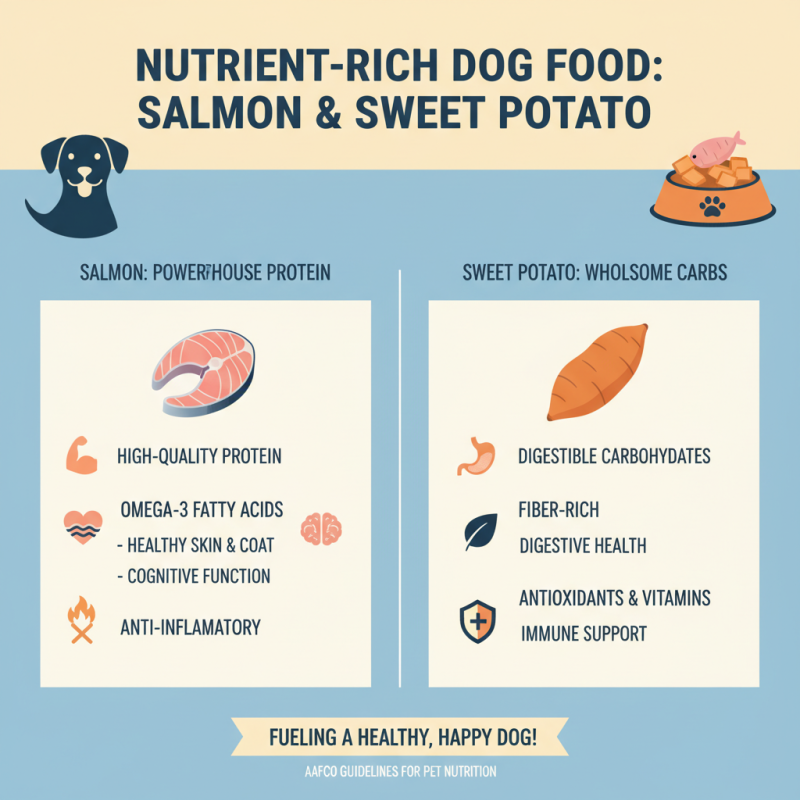
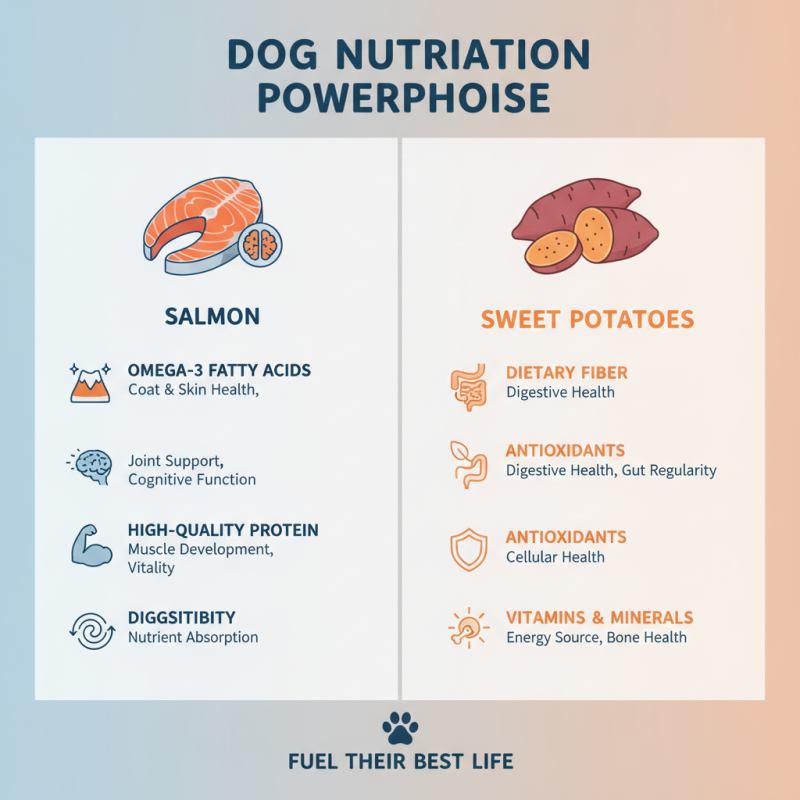
Salmon and sweet potatoes are not only delicious but also provide significant nutritional benefits for dogs. Salmon is rich in omega-3 fatty acids, which are essential for maintaining a healthy coat and skin. A study by the American Kennel Club revealed that diets high in omega-3 can reduce inflammation, improve joint health, and enhance cognitive function in dogs. Additionally, salmon is an excellent source of protein, which is vital for muscle development and overall vitality. Dogs require protein for their day-to-day activities, and salmon offers a highly digestible form, promoting better absorption of nutrients.

Sweet potatoes, on the other hand, serve as a fantastic source of carbohydrates and dietary fiber. According to research published in the Journal of Animal Science, sweet potatoes have a low glycemic index, which helps to regulate blood sugar levels, making them an ideal carbohydrate source for dogs, particularly those with diabetes. They are also rich in vitamins A and C, which support immune health, as well as antioxidants that may reduce the risk of chronic diseases. Together, the combination of salmon and sweet potatoes creates a well-rounded meal that supports optimal health for dogs, ensuring they receive the essential nutrients needed for a long and healthy life.

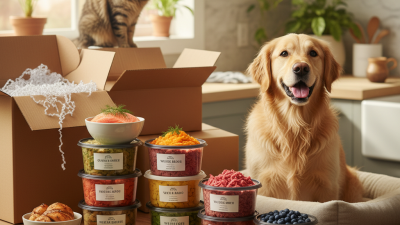
Essential Ingredients for Salmon and Sweet Potato Dog Food Recipe

How to Make Salmon and Sweet Potato Dog Food for Optimal Health

When creating a nutritious dog food recipe featuring salmon and sweet potato, it's essential to focus on the dietary needs of dogs, which includes a balance of protein, carbohydrates, and essential fatty acids. Salmon is an excellent source of high-quality protein and omega-3 fatty acids, which are important for maintaining healthy skin and coat, as evidenced by The Association of American Feed Control Officials (AAFCO), which highlights the role of fatty acids in promoting overall health in pets. These nutrients can help mitigate inflammation and support cognitive functions in dogs, making salmon a top choice for canine nutrition.

Sweet potatoes, on the other hand, provide a rich source of dietary fiber, vitamins A and C, and antioxidants. According to a study published in the Journal of Animal Science, including fiber in dog diets aids in digestion and promotes gut health, which is crucial for nutrient absorption. Furthermore, the complex carbohydrates found in sweet potatoes help sustain energy levels, making them an excellent ingredient in homemade dog food. By combining salmon and sweet potatoes, pet owners can create a well-rounded meal that aligns with the nutritional guidelines established by veterinary nutritionists, ensuring their dog's diet supports optimal health.

Step-by-Step Guide to Preparing Salmon and Sweet Potato Dog Food

Preparing homemade dog food can significantly enhance your pet's overall health and well-being. Salmon and sweet potatoes provide a rich blend of nutrients that cater to dogs' dietary needs. Salmon is an excellent source of omega-3 fatty acids, which contribute to healthy skin and coat, support joint function, and bolster the immune system. According to the National Research Council, omega-3 fatty acids play a crucial role in minimizing inflammation and maintaining cardiovascular health in dogs. Additionally, sweet potatoes are packed with vitamins A and C, fiber, and antioxidants, making them an ideal choice for digestive health and immune support.

To make salmon and sweet potato dog food, first, cook the salmon thoroughly—steaming or baking without added oils or seasoning is best. While the salmon cools, peel and cube the sweet potatoes, then steam or boil them until soft. Once both ingredients are prepared, mash the sweet potatoes and flake the salmon, combining them in a bowl for a nutritious mix. This meal not only promotes optimal health but also appeals to your dog's taste buds. Research has shown that a balanced diet significantly impacts a dog's energy levels and overall happiness, emphasizing the importance of careful ingredient selection in homemade dog food.

Safe Storage and Serving Tips for Homemade Dog Food

When preparing homemade dog food, especially recipes like salmon and sweet potato, proper storage and serving practices are vital to ensure optimal health for your canine companion. According to a study published by the Journal of Animal Science, homemade diets need to be nutritionally balanced, but without the right storage methods, they can become a breeding ground for harmful bacteria. After preparing your salmon and sweet potato mixture, it’s important to cool the food to room temperature before transferring it to airtight containers. These containers should be made of food-safe materials to prevent chemical leaching.

The United States Food and Drug Administration recommends refrigerating homemade dog food within two hours of preparation to inhibit bacterial growth. Once stored in the fridge, it is best to use the food within three to four days. For longer-term storage, consider freezing portions of the dog food. Research from the American Veterinary Medical Association indicates that frozen dog food can maintain its nutritional quality for up to six months but should be properly thawed in the refrigerator before serving.

When serving, ensure that the meal is at a safe temperature—neither too hot nor too cold—to keep your dog comfortable and happy during mealtime.

Monitoring Your Dog's Health After Switching to Homemade Diet

When transitioning your dog to a homemade diet like salmon and sweet potato dog food, it’s crucial to monitor their health closely. Changes in diet can affect a dog’s digestive system, energy levels, and overall well-being. Observing your pet for any signs of discomfort, such as changes in appetite, stool consistency, or behavior, is essential for ensuring that the new diet is suitable for them.

Tips for monitoring your dog’s health include keeping a daily log of their food intake and any noticeable changes in behavior or physical condition. Regularly check for any allergies or sensitivities, especially since homemade diets can introduce new ingredients. Additionally, consult with your veterinarian to ensure that the homemade diet meets all of your dog's nutritional needs. This partnership can help guide any necessary adjustments to their diet.

Another important aspect is regular weight check-ins. Weigh your dog weekly to monitor any significant weight changes, which could indicate dietary imbalances. Tracking their energy levels during walks or playtime can also provide insights into how well they're adapting to the new diet. By staying vigilant and proactive, you can ensure that your homemade dog food supports your pet’s optimal health.