Top 10 Tips for Making Salmon and Sweet Potato Dog Food at Home
Making homemade dog food is a rewarding endeavor that ensures your furry friend receives nutritious meals tailored to their specific needs. One of the most popular and beneficial recipes among pet owners is salmon and sweet potato dog food. This combination not only delights your dog’s taste buds but is also packed with essential nutrients that support their overall health. Salmon is an excellent source of omega-3 fatty acids, which promote healthy skin and a shiny coat, while sweet potatoes offer a rich source of vitamins, minerals, and fiber to aid digestion.
As more pet owners prioritize fresh ingredients for their pets, understanding how to correctly prepare salmon and sweet potato dog food at home becomes essential. By making dog food yourself, you can control the quality of ingredients and avoid harmful additives typically found in commercial dog foods. In this guide, we will present the top 10 tips for creating scrumptious salmon and sweet potato meals that your dog will love. From choosing the freshest ingredients to proper cooking techniques, we aim to provide valuable insights that will not only enhance your dog's diet but also deepen the bond between you and your canine companion.
Understanding the Nutritional Benefits of Salmon and Sweet Potatoes for Dogs
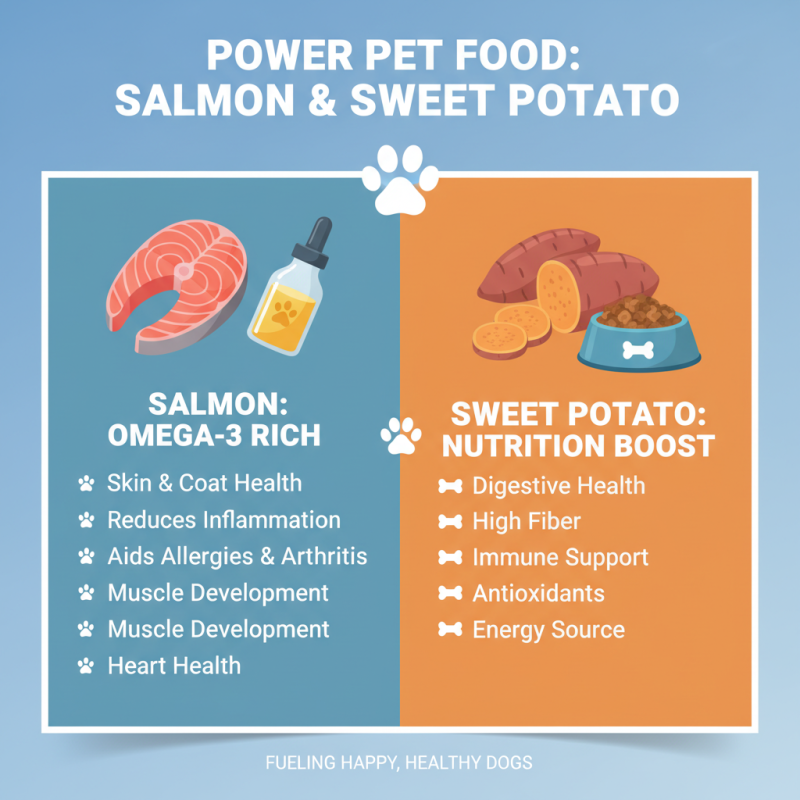
Salmon and sweet potatoes are increasingly recognized for their exceptional nutritional benefits for dogs. Salmon is rich in omega-3 fatty acids, which are essential for maintaining optimal skin and coat health. According to the American Kennel Club, omega-3s help reduce inflammation and can alleviate conditions such as allergies and arthritis in dogs. Furthermore, salmon is an excellent source of high-quality protein, which is crucial for muscle development and overall energy levels. A study published in the Journal of Animal Science found that incorporating fish into a dog’s diet can support cardiovascular health, benefiting active and aging dogs alike.
Sweet potatoes, on the other hand, are a powerhouse of vitamins and minerals that complement the profile of salmon. They are packed with beta-carotene, a precursor to vitamin A that contributes to healthy vision, immune function, and skin health. The sweet potato’s high fiber content is beneficial for digestive health, promoting a healthy gut and regular bowel movements. Research from the University of Illinois suggests that dietary fiber can also aid in weight management, which is particularly important for dogs prone to obesity. Together, salmon and sweet potatoes create a balanced meal that not only satisfies your dog’s palate but also supports their overall well-being.
Choosing Fresh Ingredients for Homemade Dog Food: Salmon and Sweet Potatoes
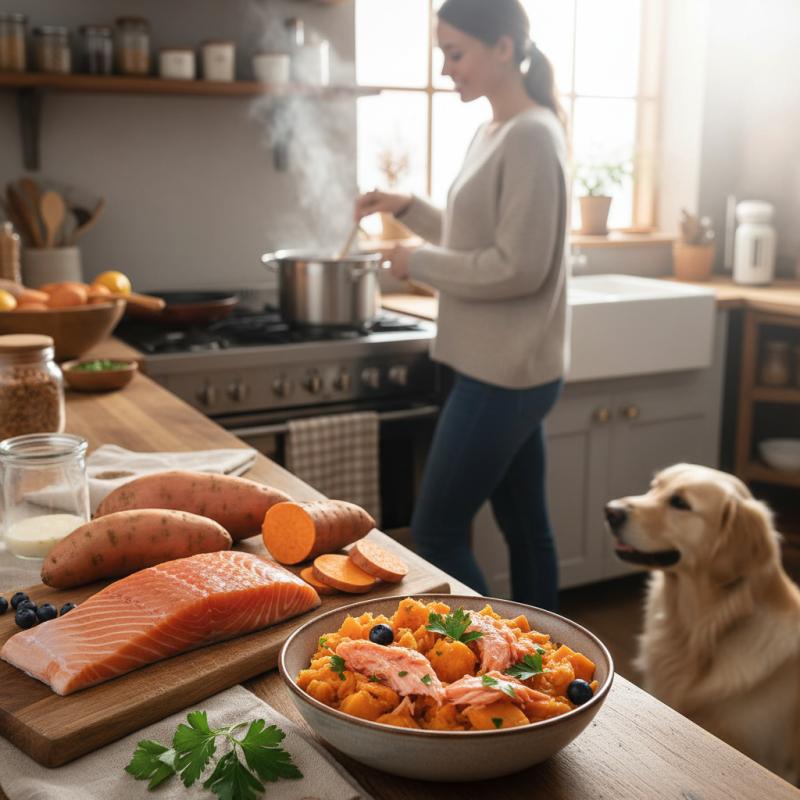
When preparing homemade dog food, the quality of ingredients is paramount, especially when it comes to nourishing your furry friend with salmon and sweet potatoes. Choosing fresh, high-quality salmon ensures that your dog receives essential omega-3 fatty acids, which can promote a healthy coat and reduce inflammation. Look for wild-caught salmon whenever possible, as it typically contains fewer toxins and is often richer in nutrients. Always inspect the fish for a bright color and a clean scent, avoiding any that seems discolored or has an off odor.
Sweet potatoes are another fantastic ingredient to incorporate into your dog’s meals. They are packed with vitamins, minerals, and fiber. When selecting sweet potatoes, opt for firm ones without any blemishes or soft spots. Organic sweet potatoes can be a great choice, as they minimize exposure to pesticides. It’s important to cook the sweet potatoes thoroughly to make them easier for your dog to digest, whether you choose to bake or steam them.
While crafting delicious dog food, consider incorporating a variety of textures and flavors. Dogs enjoy meals that are rich in variety. Try adding vegetables like carrots or peas to the mix, or consider blending cooked salmon and mashed sweet potatoes for a palatable puree. Always ensure to introduce any new foods gradually and in small amounts, monitoring your dog’s response to the new diet for optimal health.
Step-by-Step Preparation of Salmon and Sweet Potato Dog Food
Preparing homemade dog food with salmon and sweet potatoes is a rewarding process that ensures your pet receives nutritious ingredients. Start by gathering your materials—fresh salmon fillets, sweet potatoes, and a few other wholesome components like carrots or peas. First, preheat your oven to 375°F (190°C). While it warms up, peel and chop the sweet potatoes into small cubes, then steam or boil them until they are tender.
Next, prepare the salmon by removing the skin and any bones, then cut it into bite-sized pieces. In a baking dish, combine the salmon with the cooked sweet potatoes and add any other vegetables you choose. Drizzle a bit of olive oil over the mixture for added healthy fats. Bake in the oven for about 20 minutes or until the salmon is fully cooked and flakes easily with a fork. Once cool, mix everything together thoroughly before serving it to your dog. This homemade meal not only provides essential nutrients but also allows you to control the ingredients that your dog consumes.
Top 10 Tips for Making Salmon and Sweet Potato Dog Food at Home
Storage Tips for Homemade Dog Food: Keeping it Fresh and Safe
When preparing homemade dog food, such as salmon and sweet potato recipes, proper storage is crucial to maintaining freshness and safety for your furry friend. Familiarize yourself with the best practices for storing your homemade meals to prevent spoilage and ensure that your dog gets the most nutritious benefits from their food.
First, always allow your freshly made dog food to cool completely before transferring it to storage containers. This prevents condensation, which can lead to mold growth. Use airtight containers to protect the food from air and moisture. Glass containers or high-quality plastic with tight-fitting lids are ideal choices. Label each container with the date it was made so you can easily track its freshness.
Refrigeration is essential for homemade dog food, and it should be kept in the fridge for no more than 3 to 5 days. For longer storage, you can freeze portions of the food. Divide the meal into serving sizes and place them in freezer-safe bags or containers, removing as much air as possible before sealing. Always thaw frozen food in the refrigerator rather than at room temperature to keep it safe for your pet to consume. By following these storage tips, you can ensure your homemade salmon and sweet potato dog food remains tasty and safe for your canine companion.
Serving Suggestions and Portion Control for Your Dog's Meals
When preparing homemade meals for your dog, particularly salmon and sweet potato dishes, proper serving suggestions and portion control are essential to maintain their health and well-being. Begin by determining your dog’s weight and daily caloric needs. A general guideline is to feed your dog around 2-3% of their body weight in food daily, divided into two meals. For instance, if you have a 40-pound dog, you should aim for about ¾ to 1 cup of food per meal, depending on their activity level and metabolism.
Serving salmon and sweet potatoes together provides a nutritious balance of protein and carbohydrates. However, it’s crucial to monitor how your dog reacts to the meal. Always start with smaller portions to prevent digestive discomfort, gradually increasing the quantity as you assess their tolerance for the new dish. You can serve these ingredients either mixed together or separately, allowing your dog to enjoy both flavors. Additionally, consider using toppings like a sprinkle of parsley for freshness or a dash of low-sodium broth to enhance the appeal of the meal.
Top 10 Tips for Making Salmon and Sweet Potato Dog Food at Home
| Tip |
Details |
Serving Size (per meal) |
Portion Control Tips |
| Choose Fresh Ingredients |
Opt for fresh salmon and organic sweet potatoes for better nutrition. |
1 cup |
Adjust based on dog's weight and activity level. |
| Cook Properly |
Ensure salmon is cooked thoroughly to eliminate harmful bacteria. |
1 cup |
Monitor dog's reaction after first meal. |
| Balance Nutrients |
Add veggies like peas or carrots for added vitamins. |
1.5 cups |
Keep a balanced ratio of protein and carbs. |
| Avoid Seasoning |
Don't use spices or salt that can be harmful to dogs. |
1 cup |
Stick to plain ingredients. |
| Cool Before Serving |
Let food cool before serving to avoid burns. |
1 cup |
Temperature check with your hand. |
| Store Properly |
Keep leftovers in an airtight container in the fridge. |
Varies |
Use within 3 days. |
| Introduce Gradually |
Mix with current food to avoid digestive upset. |
1/2 cup |
Gradually increase over a week. |
| Hydration |
Ensure your dog has access to fresh water at all times. |
N/A |
Encourage hydration after meals. |
| Consult a Vet |
Discuss dietary changes with your veterinarian. |
N/A |
Get tailored advice based on health needs. |
| Monitor Health |
Watch for signs of allergies or gastrointestinal issues. |
N/A |
Document any changes and consult a vet if necessary. |