Top 10 Good Dog Food Options for a Healthy Happy Pet?
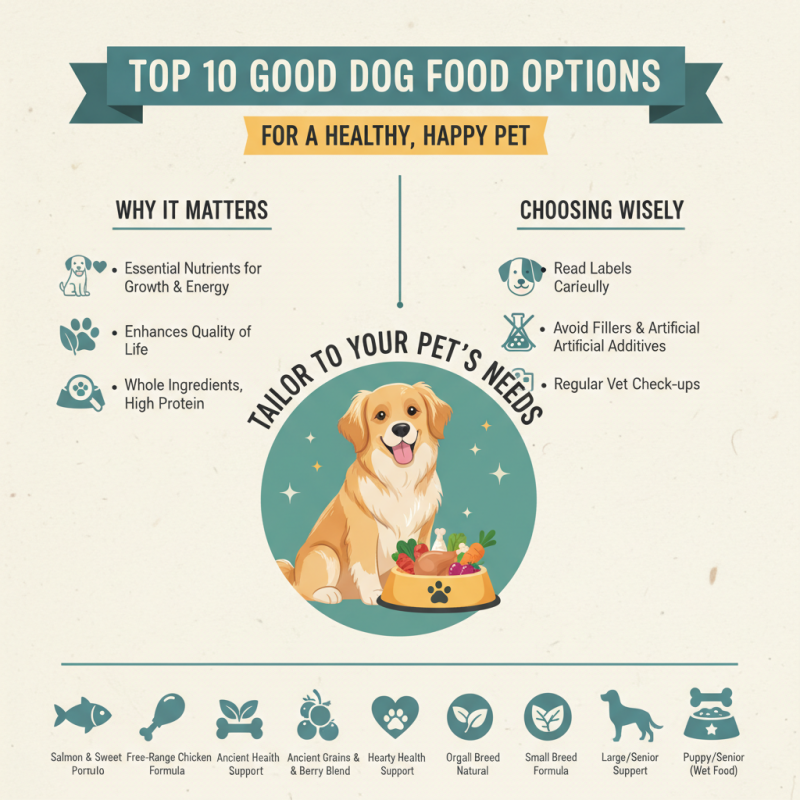
Choosing the right dog food is crucial for your pet's health and happiness. Good dog food provides essential nutrients for growth and energy. It can enhance the quality of life for your furry friend.
Many options exist, but not all are created equal. Some brands use fillers and artificial ingredients. This can lead to health issues over time. Owners must carefully read labels to ensure quality. Look for whole ingredients, high protein content, and minimal additives.
Ultimately, a dog's well-being is in your hands. Regular vet check-ups can help assess if the chosen food is suitable. Remember, what works for one dog may not work for another. Tailoring your pet's diet to their specific needs is vital. Good dog food is more than just a meal; it’s a fundamental aspect of your pet's life.
Top 10 Nutrient-Rich Dog Foods for Optimal Health
Choosing the right dog food is essential for your pet's health. Nutrient-rich options can support their growth, energy, and overall well-being. Research indicates that a balanced diet should include protein, fats, carbohydrates, vitamins, and minerals. According to the Association of American Feed Control Officials (AAFCO), a good dog food should meet specific nutrient profiles to ensure adequacy for various life stages.
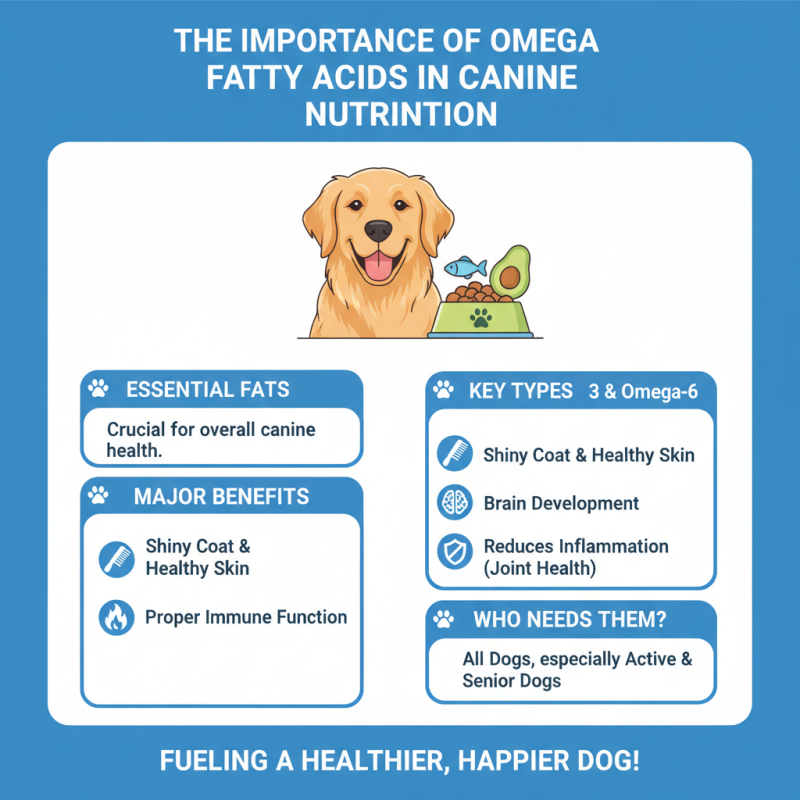
Protein sources like chicken, beef, or fish can provide essential amino acids. Healthy fats, such as omega-3 and omega-6 fatty acids, promote a shiny coat and healthy skin. In contrast, overly processed foods may lack these vital components. A study published in the Journal of Animal Science highlights that dogs fed nutrient-dense diets exhibit fewer chronic health issues, emphasizing the importance of whole, natural ingredients.
It's important to consider individual needs. Factors like breed, age, and activity level affect nutrient requirements. Some dogs may benefit from specialized diets. Others might experience digestive issues with certain grains. Consulting a veterinarian can help to tailor dietary needs effectively. Addressing these unique requirements is crucial for optimal health, yet many pet parents overlook this step, which can impact their dog's wellbeing.
Evaluating Protein Sources: What to Look for in Dog Food
When evaluating dog food, protein sources are crucial. A balanced diet should feature high-quality proteins. Look for named animal proteins like chicken, beef, or lamb as primary ingredients. According to the Association of American Feed Control Officials (AAFCO), dogs require at least 18% protein for maintenance.
Plant-based proteins can complement animal sources. However, they often lack essential amino acids. A study published in the Journal of Animal Science found that animal proteins are generally more digestible compared to plant proteins. Quality matters; just because a food contains protein doesn't mean it’s sufficient.
Always check for vague terms like "meat meal." They can be misleading. The source should be clear and identifiable. Moreover, consider the food's overall nutritional balance. Excess protein can strain a dog’s kidneys, leading to health issues. Regularly consulting a veterinarian can provide personalized advice on your pet's dietary needs.
Choosing Grain-Free vs. Grain-Inclusive Diets for Dogs
Choosing the right diet for your dog can be challenging. Grain-free versus grain-inclusive diets is a significant debate among pet owners. Some believe that grain-free options offer better health benefits. These diets typically focus on high-quality proteins, fruits, and vegetables. They may help reduce allergies in some dogs.
However, not all dogs thrive on grain-free diets. Some dogs require grains as part of a balanced diet. Grain-inclusive options can provide essential nutrients. Whole grains like brown rice and oatmeal can be beneficial. They offer energy and dietary fiber, contributing to digestive health.
It’s crucial to consult a veterinarian when deciding. Each dog has unique needs based on age, size, and activity level. Monitoring your pet's response to a new diet is vital. Signs of discomfort or allergy may indicate that changes are necessary. Finding the right food may require some trial and error. What works for one dog may not work for another.
Understanding the Role of Probiotics in Dog Food Choices
Probiotics play a crucial role in enhancing your dog's diet. These beneficial bacteria support gut health, which is vital for overall well-being. According to a report by the Pet Food Institute, over 60% of dog owners consider probiotics a necessary ingredient in dog food. This reflects a growing trend in pet nutrition where gut health is prioritized.
Probiotics help in nutrient absorption, leading to better digestion. Healthy digestion can reduce issues like bloating and constipation. Research shows that dogs with a balanced gut microbiome exhibit increased vitality and lower stress levels. It’s essential to look for dog food options that list probiotics as key ingredients. This ensures that your pet gets the maximum benefits from their diet.
Tip: Always consult your veterinarian before making significant changes to your dog's diet. They may suggest specific strains of probiotics perfect for your pet’s unique needs.
Choosing dog food rich in prebiotics can also complement probiotics. Prebiotics serve as food for probiotics, fostering their growth. Look for foods containing sources like chicory root or beet pulp. Remember, not all dog foods are created equal, and knowing the right ingredients is crucial.