Top 10 Dog Foods for Healthier Pets in 2025 How to Choose Better Options
In recent years, the focus on pet nutrition has intensified, with pet owners increasingly seeking better dog food options that promote overall health and longevity. According to the American Kennel Club (AKC), a balanced diet is critical for dogs at every life stage, and the quality of ingredients plays a crucial role in maintaining their well-being. A 2023 study published in the Journal of Animal Science revealed that dogs fed with high-quality diets experienced fewer health issues compared to those on lower-quality foods. This has prompted an industry shift towards premium dog food formulations, prioritizing natural ingredients, protein sources, and tailored nutrition.
As we look ahead to 2025, understanding how to choose better dog food will be essential for pet owners striving for the healthiest lifestyle for their furry friends. The Pet Food Manufacturer’s Association reported that 65% of pet owners are now concerned about the nutritional content of their pets' food, highlighting the growing demand for transparent labeling and scientifically-backed nutrition. With various options available, from grain-free mixes to meal plans designed by veterinarians, making informed decisions becomes paramount to ensure optimal health and vitality for dogs. This evolving landscape invites pet owners to explore, evaluate, and invest in superior dog food selections that align with their pets' specific dietary needs and preferences.

Factors to Consider When Choosing Dog Food for 2025
When choosing dog food for 2025, several key factors should be prioritized to ensure the health and well-being of your pet.
First and foremost, examine the ingredient list. Look for real meat as the primary ingredient, along with a balance of vegetables and whole grains.
Avoid foods with excessive fillers, artificial additives, or by-products, as these can detract from nutritional value. Additionally, consider the specific dietary needs of your dog based on their age, size, and any health concerns.
Puppies, adult dogs, and senior pets have different nutritional requirements that should be reflected in their food.
Another crucial aspect is the presence of essential nutrients and supplements in the dog food.
A high-quality dog food should include omega fatty acids for healthy skin and coat, probiotics for digestive health, and vitamins and minerals to support overall well-being.
Checking for certifications from veterinary nutritionists can provide further assurance of a product's quality. Lastly, it's essential to stay informed about the latest research in pet nutrition.
As our understanding of canine dietary needs evolves, keeping up with new findings will help pet owners make informed choices that lead to healthier and happier lives for their furry companions.
Nutritional Needs of Different Dog Breeds and Ages
When it comes to choosing the right dog food, understanding the nutritional needs of different breeds and ages is essential. According to the American Kennel Club, nutritional requirements can vary significantly based on factors such as the dog’s breed, size, and life stage. For instance, growing puppies require diets rich in protein, fats, and essential nutrients to support their rapid growth and high energy levels. Reports indicate that puppies need about 22% of protein in their diet, while adult dogs typically require around 18% to maintain a healthy weight and vitality.
Moreover, senior dogs have distinct dietary needs as their metabolism slows down and they are more susceptible to health issues. Research published in the Journal of Animal Science highlights that older dogs benefit from lower protein levels (around 15%) and diets enriched with omega fatty acids to promote joint health and cognitive function. Additionally, certain breeds may have specific dietary recommendations due to their genetic predispositions to various health conditions, such as large breeds being prone to hip dysplasia, which necessitates a diet that includes glucosamine and chondroitin. Thus, a thorough understanding of these unique nutritional needs is crucial for pet owners aiming to provide optimal health and well-being for their furry companions.
Top 10 Dog Foods for Healthier Pets in 2025
| Dog Food Type |
Main Ingredients |
Breed Suitability |
Life Stage |
Average Price ($) |
| Grain-Free Chicken Recipe |
Chicken, Peas, Potatoes |
All Breeds |
Adult |
55 |
| Salmon & Sweet Potato Recipe |
Salmon, Sweet Potatoes, Carrots |
Small to Medium Breeds |
All Life Stages |
60 |
| Beef & Brown Rice Formula |
Beef, Brown Rice, Barley |
Large Breeds |
Adult |
52 |
| Puppy Chicken & Oatmeal |
Chicken, Oatmeal, Eggs |
All Breeds |
Puppy |
50 |
| Lamb & Rice Formula |
Lamb, Rice, Vegetables |
Sensitive Stomach |
Adult |
54 |
| Turkey & Vegetable Medley |
Turkey, Vegetables, Grains |
All Breeds |
All Life Stages |
58 |
| High-Protein Formula |
Chicken, Fish Meal, Eggs |
Active Breeds |
Adult |
62 |
| Senior Dog Chicken Recipe |
Chicken, Brown Rice, Peas |
Senior Breeds |
Senior |
53 |
| Vegetarian Formula |
Rice, Peas, Lentils |
All Breeds |
Adult |
48 |
| Fish-Based Formula |
Fish Meal, Flaxseed, Vegetables |
All Breeds |
Adult |
67 |
The Importance of High-Quality Ingredients in Dog Food
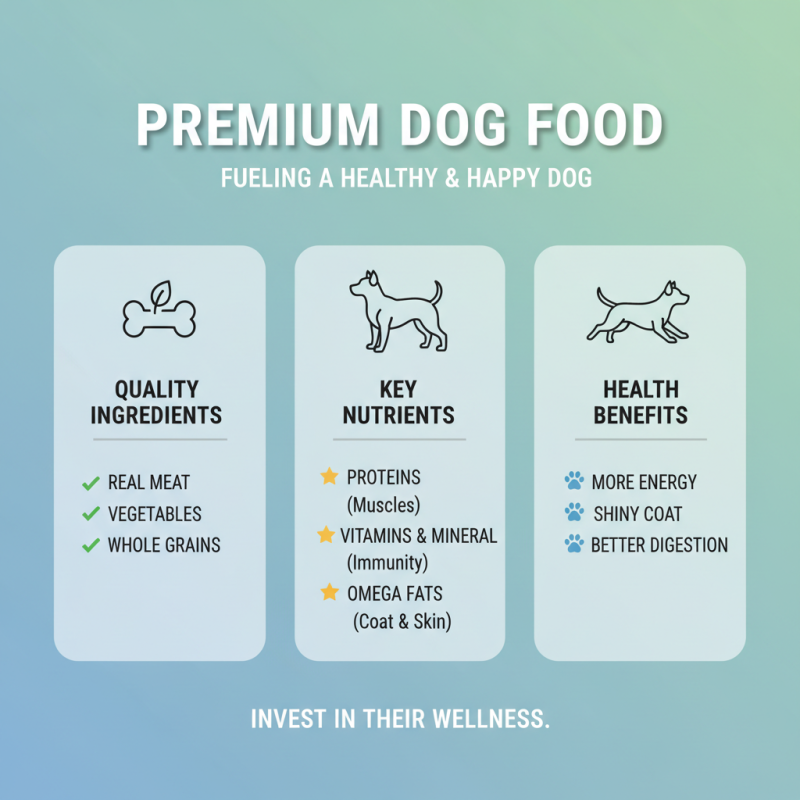
When selecting dog food, the significance of high-quality ingredients cannot be overstated. Just like humans, dogs thrive on nutrition derived from wholesome sources. Premium dog food is typically formulated with real meat, vegetables, and whole grains, providing essential proteins, vitamins, and minerals that support overall health. Choosing food rich in these nutrients can lead to improved energy levels, healthier coats, and better digestion for our furry companions.
Moreover, the presence of high-quality ingredients plays a crucial role in preventing health issues. Many commercial dog foods contain fillers and artificial additives that may compromise a dog's health over time. A diet focused on high-quality components not only fosters vitality but also reduces the risk of allergies and sensitivities. Pet owners should be vigilant and seek foods with clear ingredient lists, avoiding those laden with ambiguous terms that often suggest lower-quality fillers. Prioritizing quality over cost is essential for ensuring a long, happy life for pets.
Top Recommended Dog Food Brands for Healthier Pets
When it comes to selecting the best dog food for healthier pets, it's essential to consider several key factors. Look for brands that prioritize natural ingredients, ensuring that meat is the first on the list. Whole foods like vegetables and fruits should complement the protein source, providing a well-rounded diet rich in essential vitamins and minerals. Furthermore, consider foods that are free from artificial preservatives, fillers, and by-products, as these can detract from your dog’s overall health.
Another critical aspect is the specific dietary needs of your pet. Certain breeds may require specialized nutrition based on their age, size, or health condition. For instance, puppy formulas often contain higher protein levels to support growth, while senior dog foods may have added joint support supplements. It's also beneficial to choose brands that conduct quality testing to guarantee safety and nutritional value. By evaluating ingredients, nutritional balance, and the particular needs of your dog, you can select a dog food that promotes longevity and a happier life for your furry companion.
How to Read and Understand Dog Food Labels Effectively
Understanding dog food labels is essential for making informed choices about your pet’s nutrition. When you pick up a bag of dog food, the label can feel overwhelming with its complex terminology and myriad ingredients. However, decoding this information will empower you to select healthier options for your furry friend. Start by examining the ingredient list, which is arranged in descending order by weight. Look for high-quality protein sources like meat, fish, or meat meals at the top, as these are crucial for your dog’s overall health. Avoid products with vague terms like "meat by-products" or obscure fillers that do not specify the type.
Tips: Pay attention to the guaranteed analysis section, which provides valuable insights into the nutritional composition of the food. Look for the percentage of protein, fat, fiber, and moisture. A balanced ratio is key; ideally, you want dog food with high protein and moderate fat content while keeping fiber low. Ensure the food meets the nutritional standards set by organizations such as the AAFCO (Association of American Feed Control Officials), indicated on the label, assuring that the product provides complete and balanced nutrition.
When selecting a dog food, also consider any specific dietary needs your pet may have, such as allergies or sensitivities. Reviewing feeding guidelines can give you a starting point for portion sizes according to your dog's age, size, and activity level. This approach not only helps in maintaining a healthy weight but also mitigates potential health issues down the road. Remember, being proactive about your dog's nutrition today paves the way for a longer, healthier life!