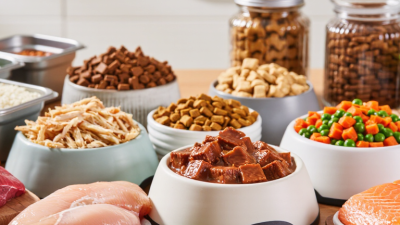
China Top Dog Food Samples Suppliers for Global Buyers?
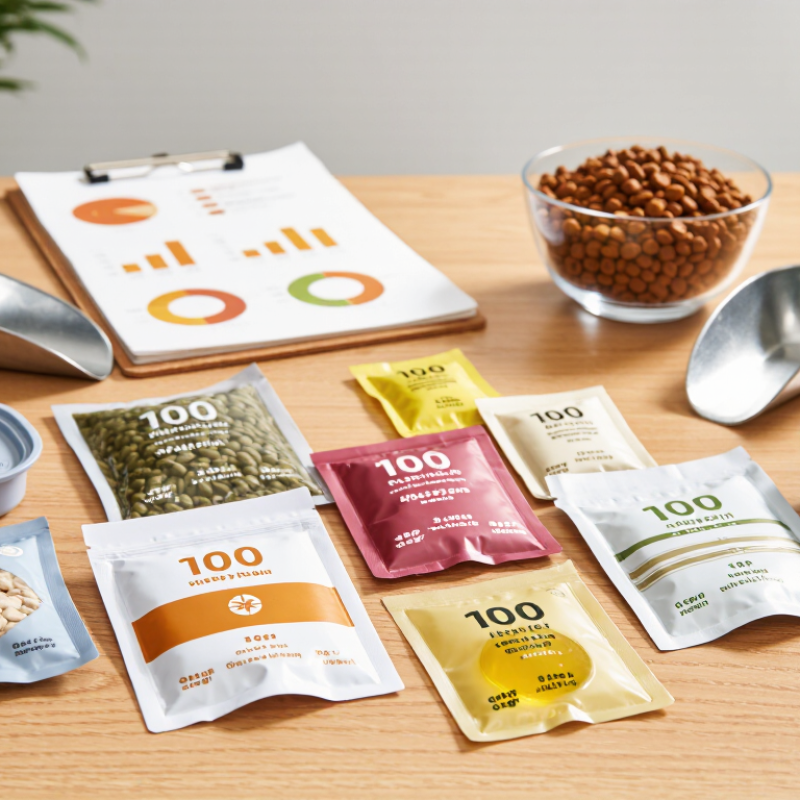
China has become a practical sourcing destination for dog food samples, especially for global buyers testing new recipes, packaging formats, and price positions. The strongest suppliers do more than send attractive pouches. They provide ingredient specifications, production details, feeding guidance, and traceable batch information. A serious sample request should include the dog’s life stage, protein preference, target market, and expected order volume. Small details matter. A sealed 100-gram pouch can reveal odor, kibble size, oil separation, label quality, and shipping damage.
Dr. Lisa M. Freeman, a veterinary nutritionist at Tufts University, has stated, “There is no one best diet for all pets.” This principle is important when comparing dog food samples from China. A product may perform well in one household but fail another dog’s digestion or taste preferences. Buyers should assess palatability, stool quality, nutritional analysis, shelf-life data, and manufacturing consistency. They should also request certificates of analysis and confirm whether the factory follows recognized food-safety systems. Documents do not replace testing.
Reliable suppliers usually explain their minimum order quantity, private-label options, sample fees, lead times, and export experience clearly. They should answer questions without vague promises. Still, a sample is not a guarantee. Formulas can change, communication can weaken, and early impressions can mislead. That is why buyers need a written specification, independent verification when appropriate, and a controlled trial before placing a large order. The best China dog food samples suppliers combine transparent evidence with practical support, yet careful buyers must remain willing to question every attractive offer.
Understanding China’s Dog Food Sample Supplier Market
China’s dog food sample supplier market serves importers, retailers, and private-label buyers with different testing needs. Suppliers commonly provide dry kibble, wet food, treats, and functional formulas. Product quality can vary between samples and full production batches.
In practical sourcing work, buyers should request a complete sample pack. It may include ingredient specifications, guaranteed analysis, feeding guidance, shelf-life data, and packaging options. Ask how suppliers control moisture, protein levels, storage conditions, and batch records. A clear production address and responsive technical team also matter. Small details often reveal operational discipline.
Request samples from several facilities, not only one. Compare texture, smell, ingredient consistency, sealing quality, and delivery protection. Keep written records for every sample. Independent laboratory testing can verify nutrients and safety indicators before commercial decisions. Requirements differ across destination markets, so buyers should confirm local import, labeling, and pet food rules with qualified professionals.
My first assumption was that a polished sample showed factory capability. That was too simple. A sample may reflect careful preparation rather than normal output. Buyers should inspect manufacturing evidence, quality procedures, and repeat-batch consistency. Some suppliers communicate well but provide incomplete documents. That weakness deserves attention. A reliable partnership grows through transparent questions, realistic timelines, and measurable quality standards.
Key Supplier Types and Product Categories
China Top Dog Food Samples Suppliers for Global Buyers?
China’s dog food sample market includes manufacturers, OEM/ODM factories, trading companies, and specialized sample distributors. Each serves a different buyer. Manufacturers usually provide stronger production control and batch traceability. OEM/ODM suppliers offer recipe adjustment, packaging support, and smaller trial orders. Trading companies may combine several factories, but product origins require closer verification.
Product categories are broad. Dry kibble remains practical for shipping and storage. Wet food needs stronger packaging and shelf-life evidence. Freeze-dried meals, dental chews, training treats, and functional formulas attract buyers seeking premium positioning. Veterinary-style diets require careful nutritional review and compliant claims. Grand View Research valued the global pet food market at about USD 115.5 billion in 2022, with projected annual growth of 4.5% from 2023 to 2030. That growth increases choices, but not necessarily quality.
A serious sample request should include ingredient specifications, guaranteed analysis, feeding guidance, allergen controls, and a recent certificate of analysis. Ask for production dates, storage conditions, and traceability records. The FDA’s pet food guidance emphasizes safety, labeling, and preventive controls for applicable products. Samples should therefore represent normal factory output, not a special showcase batch. This is where buyers often underestimate risk. A cheap sample can look excellent and still reveal little about long-term consistency. Independent laboratory testing is worth considering before a commercial order.
How to Evaluate Quality, Safety, and Compliance
When evaluating dog food sample suppliers, inspect the product and its evidence. A glossy pouch can still mislead. FEDIAF’s 2024 Facts and Figures report estimates 139 million European households own pets, increasing pressure for consistent supply and documented safety. Request samples from a normal production batch, not a specially prepared showcase batch. Check the seal, lot code, production date, odor, texture, and ingredient consistency. Keep one unopened sample for independent testing.
A credible supplier should provide a certificate of analysis for each lot. Review crude protein, fat, moisture, ash, fiber, and microbiological results. Test for Salmonella, mold, heavy metals, and prohibited residues through an accredited laboratory. The FDA states that animal food ingredients must be safe and labels must be truthful and not misleading.
Ask for ingredient traceability, allergen controls, sanitation records, and a documented recall procedure. Small gaps matter.
Compliance also depends on the destination market. Compare the label with local rules for nutritional adequacy, feeding instructions, additives, net weight, and importer information. FEDIAF nutritional guidelines can support European formulation reviews, but they do not replace national requirements. I would not approve a supplier from a sample alone. My checklist is useful, yet imperfect. Factory audits, repeat testing, and shipment records reveal more than one attractive carton.
Sample Request, Testing, and Customization Process
China Top Dog Food Samples Suppliers for Global Buyers?
Sample Request, Testing, and Customization Process
A clear sample request saves time and prevents costly misunderstandings. Specify the dog’s age, food format, target protein, package size, and expected order volume. Ask for ingredient lists, guaranteed analysis, feeding guidance, and production dates. Request separate samples for each recipe or texture. Small details matter.
When samples arrive, inspect the seal, label, color, smell, and texture. Record the batch number and storage conditions. A qualified laboratory can test moisture, protein, fat, microbiological safety, and selected contaminants. Do not rely only on appearance. It can mislead buyers. Testing methods should match the destination market and product type.
Customization usually begins after sample feedback. Discuss protein sources, particle size, calorie density, packaging material, language, and carton strength. Suppliers should explain minimum order quantities, lead times, revision fees, and quality controls. Request a written specification before approving a production sample. Keep retained samples for comparison. In practice, the first formula may not work perfectly. Dogs can reject a texture, or the package may weaken during shipping. That is normal, but it deserves careful review. A reliable supplier responds with traceable records, practical adjustments, and honest limits rather than promises.
Selecting Reliable Suppliers for Global Distribution
China Top Dog Food Samples Suppliers for Global Buyers?
Selecting a reliable supplier for global distribution requires more than comparing sample prices. Request samples from several factories, then inspect smell, texture, seal quality, and ingredient consistency. A useful sample should match the proposed production formula, not a special version prepared only for evaluation.
Ask for clear ingredient specifications, nutrition analysis, batch traceability, and shelf-life data. Confirm whether the supplier can support your destination market’s labeling and import requirements. Production capacity also matters. A factory may offer attractive samples but struggle with repeat orders, stable quality, or seasonal demand. Request recent quality records and, where practical, arrange an independent factory audit. No supplier is perfect. However, slow answers and missing documents are serious warning signs.
Tips: Compare at least three suppliers using the same checklist. Check sample packaging after simulated transport, including heat, pressure, and moisture exposure. Confirm minimum order quantities, lead times, payment terms, and procedures for damaged shipments. Keep written approval records for every formula and package design. A small oversight can become expensive. Reflect on your own testing process, too; buyer assumptions sometimes create avoidable problems. Reliable cooperation grows through evidence, transparent communication, and repeatable controls.
China Top Dog Food Samples Suppliers for Global Buyers: Selecting Reliable Suppliers for Global Distribution
AAFCO adult-maintenance nutrient benchmarks can help global buyers conduct an initial technical review of dog food samples from China-based suppliers.
The chart shows minimum nutrient levels on a dry-matter basis for adult-maintenance dog food: crude protein, crude fat, linoleic acid, calcium, and phosphorus. Buyers should verify laboratory test reports, ingredient traceability, labeling compliance, and destination-market regulations before approving a supplier.
Reference: AAFCO Dog Food Nutrient Profiles, Adult Maintenance. Values are screening benchmarks and are not a substitute for legal or veterinary compliance requirements.