Top Dog Food Choices for Global Buyers Insights and Trends
As pet ownership continues to rise globally, the demand for high-quality nutrition has never been more critical. This surge emphasizes the need for insights into top dog food choices. Pet owners are seeking more than just calories; they want premium ingredients and transparency.
In this dynamic market, choices vary significantly across regions. Various trends show a shift towards holistic and natural options. However, not all brands meet the same standards. Consumers must navigate this landscape carefully to choose reliable products that cater to their dogs' dietary needs.
The growing interest in sustainable and ethically sourced ingredients adds another layer. Many buyers are now evaluating the environmental impact of their choices. This complex decision-making process can be overwhelming. Reflecting on the balance between quality, cost, and values is essential for both buyers and brands in this evolving market.
Top Dog Food Choices Based on Nutritional Value and Ingredients
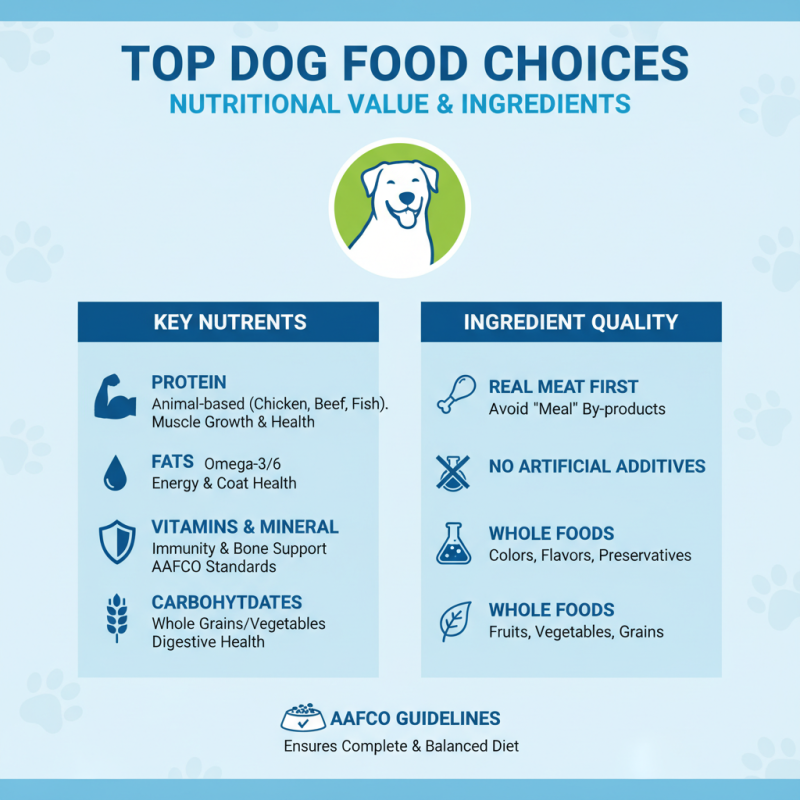
Choosing the right dog food is crucial for pet owners. Nutritional value and ingredient quality are key factors. Research from the Association of American Feed Control Officials (AAFCO) emphasizes protein, fats, vitamins, and minerals as essential for a balanced diet. A high protein content, ideally from animal-based sources, supports muscle growth and overall health.
Many consumers prioritize ingredients like whole grains, fruits, and vegetables. These components provide necessary fibers and antioxidants. The Pet Food Institute shows an increasing trend toward grain-free options, citing a 25% rise in sales. However, some experts caution that not all dogs require grain-free diets, and this shift may overlook the benefits of whole grains.
Moreover, transparency in ingredient sourcing is becoming important. Buyers increasingly seek brands that disclose their suppliers and production processes. This demand for high-quality, transparent products reflects a growing awareness among pet owners about food choices for their pets. Research indicates that 70% of pet owners investigate ingredient lists, highlighting the importance of informed decisions in the pet food market. Yet, the plethora of options can overwhelm. Understanding nutritional content is essential for health.
Emerging Trends in Dog Food Preferences Among Global Consumers
Globally, dog food preferences are changing. Pet owners are more discerning today. They seek high-quality ingredients and transparency. Natural and organic options attract attention. Consumers want to know what goes into their pet's food. This shift reflects broader food trends in human nutrition.
Sustainability also plays a key role. Buyers are concerned about the environment. They prefer brands that prioritize eco-friendly practices. Packaging is important, too. Recyclable and biodegradable materials are in demand. Yet, balancing cost and ethics is a challenge for many.
Additionally, flavors and textures are crucial. Dogs, like humans, have unique tastes. Consumers report preferences for variety in their pets' diets. This can lead to overindulgence, raising health concerns. Pet owners often juggle convenience with nutritional value. Each choice reflects their values and priorities. Adaptation is essential in this evolving market.
Analysis of Regional Variations in Dog Food Market Demand
The dog food market displays significant regional variations. In North America, there is a shift towards premium, grain-free options. Buyers prioritize high-quality ingredients that promote health and well-being. Meanwhile, European consumers often favor organic and holistic foods. Sustainability and ethical sourcing are vital in their purchasing decisions.
In Asia, the landscape is different. Many dog owners are influenced by traditional dietary practices. Local flavors and ingredients play crucial roles in product development. However, education on nutritional needs is still evolving. Some buyers may struggle with the transition to scientifically formulated foods.
Emerging markets present unique challenges. Affordability remains a key concern for many consumers. There is a demand for more budget-friendly yet nutritious options. Brands need to balance quality and cost to appeal to these buyers. Understanding regional preferences is essential for companies aiming to succeed in this competitive landscape.
Impact of Packaging and Branding on Dog Food Purchase Decisions
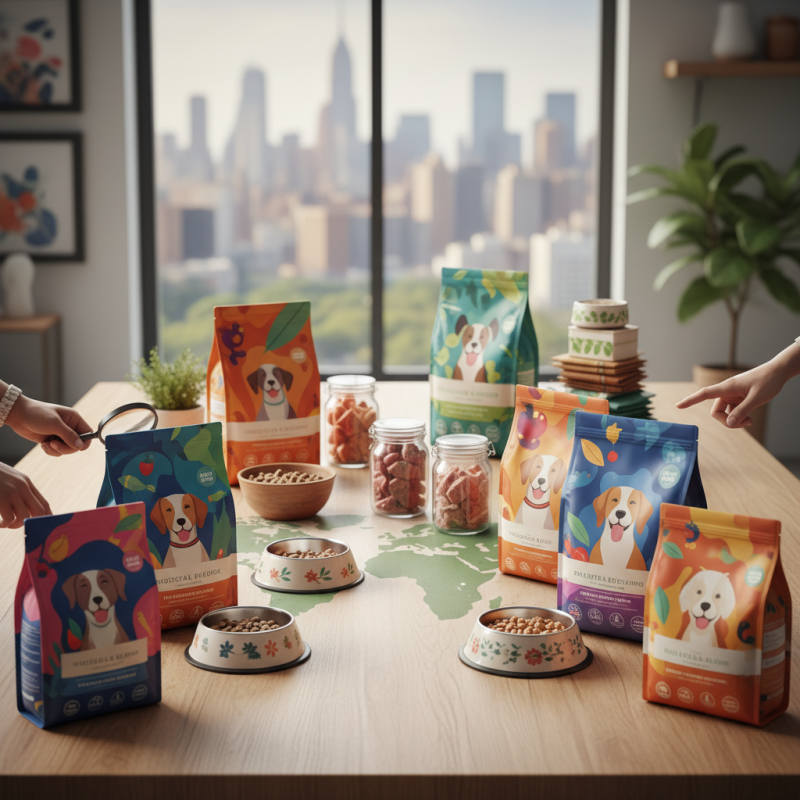
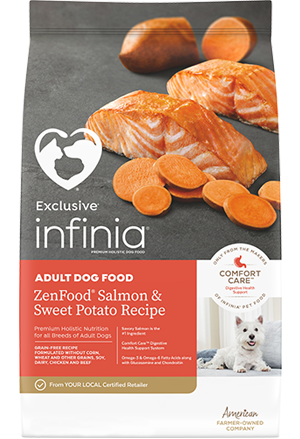
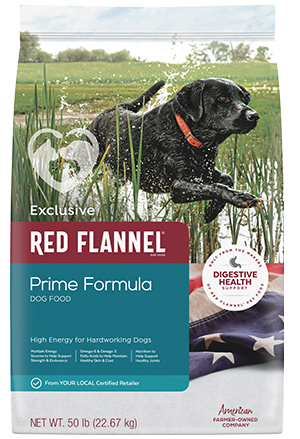
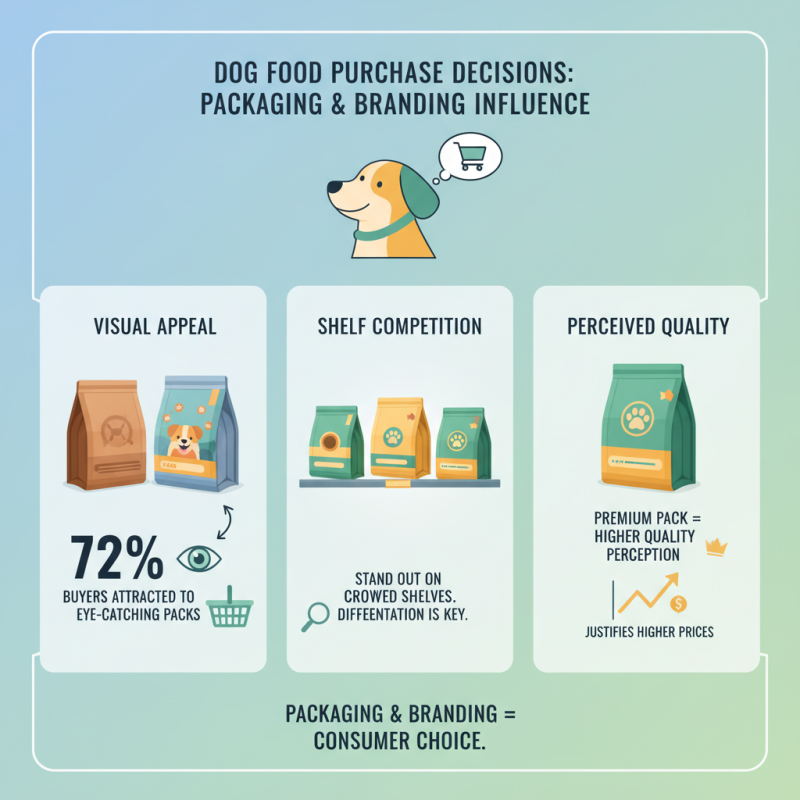
Packaging and branding play crucial roles in the decision-making process for dog food consumers. Research indicates that 72% of buyers are drawn to eye-catching packaging. When competing brands are on shelves, visual appeal makes a significant difference. Studies show that products with premium packaging are perceived as higher quality. This perception influences consumers to justify higher prices, even without concrete knowledge of the product itself.
Branding also affects trust and loyalty. A recent survey found that 68% of pet owners prioritize brands they recognize. Familiarity reduces perceived risk in purchasing decisions. Additionally, emotional branding resonates well with dog owners. Brands that evoke companionship and care lead to stronger customer attachment. This emotional connection often translates into repeated purchases.
However, not all packaging effectively communicates quality. Packaging claims can sometimes mislead consumers. Nearly 30% of pet food buyers express skepticism about marketing messages. This shows that even with glossy designs, many consumers seek transparency. They want to understand what exactly is in the dog food. The industry must balance compelling design with honest communication to foster trust.
Consumer Awareness and Education on Dog Nutrition and Health
Consumer awareness plays a vital role in dog nutrition. Pet owners are becoming more informed about what goes into their dog’s food. Many prioritize high-quality ingredients, looking for wholesome options over fillers. Unfortunately, not all buyers know how to interpret labels. Terms like "natural" and "organic" can be misleading. This confusion often leads to unintentional poor choices.
Education is crucial for responsible pet ownership. Understanding the nutritional needs of dogs is essential for their health. Different breeds have varying requirements, which can complicate the decision-making process. Owners must consider factors such as age, activity level, and specific health conditions. Regularly updating knowledge on dog nutrition can make a significant difference in the long run.
Many resources are available for dog owners, but not all are reliable. It’s important to consult veterinary insights or research from reputable organizations. Engaging in community discussions can provide valuable experiences. The responsibility of ensuring a balanced diet should not be taken lightly. Reflection on personal choices and continued learning can lead to better health outcomes for pets.
Top Dog Food Choices for Global Buyers Insights and Trends
| Country |
Top Dog Food Type |
Consumer Awareness (%) |
Key Nutritional Focus |
Preferred Packaging |
| USA |
Dry Kibble |
85% |
Protein Content |
Resealable Bags |
| UK |
Wet Food |
80% |
Hydration |
Canned |
| Germany |
Grain-Free |
75% |
Allergy Management |
Eco-Friendly Packaging |
| Japan |
Traditional Food |
90% |
Fresh Ingredients |
Single-Serve Packs |
| Australia |
Natural/Organic |
70% |
Sustainability |
Biodegradable Packaging |