Top Dog Food Comparison for Global Buyers in 2026?
The pet food industry is projected to reach $132 billion globally by 2026, highlighting the growing market for dog owners. As consumers increasingly seek transparency, a comprehensive dog food comparison becomes vital. Reports indicate that 70% of pet owners prioritize ingredient quality in their purchasing decisions. This trend pushes manufacturers to be more accountable.
Despite the diverse offerings available, many dog foods still lack adequate nutritional value. Research reveals that nearly 30% of popular brands don't meet basic dietary needs. This discrepancy emphasizes the importance of scrutinizing dog food labels and comparing options. With pets' health at stake, a thoughtful dog food comparison can guide buyers towards better choices.
As each dog is unique, tailored nutrition is essential. However, many dog owners struggle to understand the complex ingredient lists. They often overlook critical factors such as sourcing and manufacturing practices. A detailed dog food comparison ensures informed decisions. By emphasizing quality over marketing, pet owners can better support their furry companions' health.

Top Factors Influencing Dog Food Choices for Global Buyers in 2026
In 2026, dog owners will face evolving choices in pet nutrition. Factors influencing their decisions include ingredient quality, sourcing practices, and dietary trends. According to a recent market report, 72% of consumers prioritize natural ingredients. More buyers are adopting holistic diets that align with their health beliefs.
Sustainability is another key factor. Studies show that 63% of pet owners consider eco-friendly packaging an important choice aspect. This reflects growing awareness of environmental issues. Pet food manufacturers will need to adapt to these preferences to remain competitive.
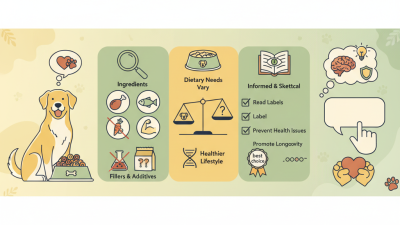
**Tip:** Always read labels. Understanding ingredients can guide better choices for your pet's health.
Price remains a concern, as many owners look for affordable options without compromising quality. Research indicates that around 40% of pet owners feel overwhelmed by the variety of choices. It can be a challenge to find the right balance.
**Tip:** Factor in your dog’s specific needs. Consulting a veterinarian can clarify nutritional requirements.
The interplay of these elements will shape the global dog food market. Trends in pet care continue to change at a fast pace. Pet owners must navigate these complexities to ensure their furry friends receive the best care.
Comparison of Popular Dog Food Brands and Their Market Position in 2026
In 2026, the dog food market is evolving rapidly. Buyers are increasingly aware of their pets' nutritional needs. Brand comparisons reveal significant differences in quality, price, and ingredients. Many dog food brands claim premium formulas. Yet, not all deliver on their promises. This raises an important question: how do we know what's truly beneficial for our pets?
Some brands market themselves as grain-free or organic. However, these claims can sometimes be misleading. Ingredients must be scrutinized closely. For instance, some "meat" sources may be low-quality byproducts. Such choices might harm pet health rather than help. Transparency in labeling is key for smart consumers. Engaging with veterinarians can provide valuable insights.
Market data shows rising demand for transparency and quality. Buyers prioritize natural ingredients and ethical sourcing. However, not every brand meets these criteria effectively. As consumers, it’s essential to remain critical. A dog's diet is pivotal for its health and happiness. Reflecting on these aspects is crucial when choosing the right dog food.
Nutritional Standards for Dog Food Around the World: A 2026 Overview
As we look towards 2026, nutritional standards for dog food are undergoing significant transformations worldwide. Various countries are increasingly addressing the nutritional needs of dogs through updated regulations. These standards aim to ensure that the food meets health, safety, and nutritional guidelines appropriate for different life stages and breeds.
In the European Union, for instance, new guidelines emphasize organic ingredients and sustainable sourcing. Meanwhile, in North America, there is a growing focus on high-protein diets that reflect a dog's natural carnivorous roots. These shifts challenge manufacturers to balance cost and quality while adhering to strict regulatory measures.
However, there's inconsistency in enforcement and compliance across regions. Some countries may still lack rigorous standards. This inconsistency can lead to confusion among buyers, who may struggle to find reliable information. Moreover, many pet owners remain unaware of these evolving standards. It’s crucial for consumers to research and stay informed, ensuring their pets receive the best possible nutrition.
Emerging Trends in Dog Food Formulation and Consumer Preferences in 2026
As we look ahead to 2026, key trends are shaping dog food formulation and consumer preferences. Pet owners increasingly seek natural ingredients that promote health and well-being. There is a noticeable shift towards high-protein diets that mimic ancestral eating habits. Grain-free options continue to gain traction, catering to allergies and intolerances.
Sustainability is now a priority for many buyers. Consumers want products that are eco-friendly and ethically sourced. This might include ingredients from regenerative farming practices. However, many pet owners face dilemmas in balancing nutrition with sustainability. The realization that not all "natural" claims are equal can create confusion.
Furthermore, transparency in labeling is becoming essential. Dog owners demand clear information about sourcing and nutritional content. The rise of online platforms for reviews reflects this need. However, with an overwhelming amount of information available, making informed choices remains challenging. As trends evolve, pet owners must navigate choices wisely while prioritizing their dog's health.
Top Dog Food Comparison for Global Buyers in 2026
Sustainability Practices in the Dog Food Industry: A Global Perspective for 2026
Sustainability is becoming increasingly vital in the dog food industry as consumers prioritize eco-friendly practices. A report by the Pet Food Institute reveals that 76% of pet owners consider sustainability when choosing dog food. This trend reflects a growing awareness of environmental impacts associated with pet food production.
The industry faces challenges in sourcing sustainable ingredients. Overfishing and deforestation are prevalent issues that need attention. A 2023 study indicated that 45% of dog food manufacturers reported difficulties in finding ethically sourced proteins. Transparency in the supply chain is essential for building trust and credibility with consumers. Brands that fail to address these challenges may struggle to retain loyal customers.
Innovative solutions are underway to tackle sustainability issues. Upcycling byproducts and utilizing insect protein are gaining traction. Some companies are now adopting circular economy principles, aiming to reduce waste. However, the transition to these practices can be slow and requires significant commitment. The need for improvement is clear, but the industry is gradually moving toward a more sustainable future.
Top Dog Food Comparison for Global Buyers in 2026
| Category |
Sustainability Practices |
Nutritional Quality |
Price Range |
Market Share (%) |
| Organic |
100% biodegradable packaging, carbon neutral |
High protein, grain-free options available |
$50 - $80 |
25% |
| Natural |
Local sourcing, reduced emissions from production |
Moderate protein, whole grains included |
$35 - $60 |
30% |
| Grain-Free |
Minimal water usage, sustainable farming practices |
High protein, fiber-rich |
$40 - $70 |
20% |
| Veterinary |
Ethical sourcing, recyclable packaging |
Clinically formulated for health |
$70 - $120 |
10% |
| Premium Dry Food |
Sustainable fish sources, renewable ingredients |
Balanced nutrition, added vitamins |
$60 - $100 |
15% |