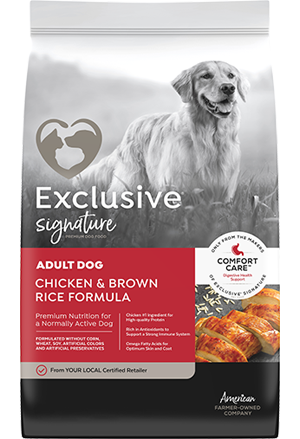
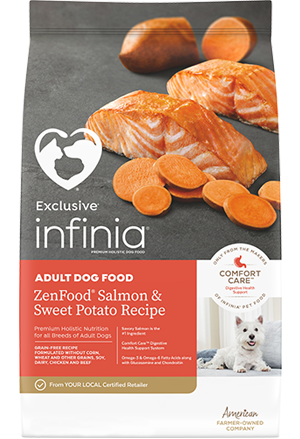
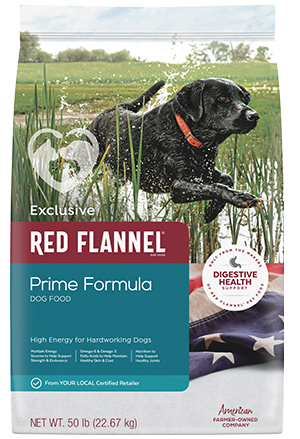
Top 10 Kibble Dog Foods Recommended by Veterinarians for Optimal Canine Health
When it comes to providing the best nutrition for our canine companions, kibble dog food stands out as a popular choice among pet owners and veterinarians alike. It offers convenience, ease of storage, and a balanced diet that meets the nutritional needs of dogs across various life stages. In this article, we delve into the top 10 kibble dog foods recommended by veterinarians, emphasizing the importance of selecting high-quality options that promote optimal health for your furry friends.
With countless brands and formulations flooding the market, choosing the right kibble can be overwhelming. It is crucial to consider factors such as ingredient quality, nutritional content, and specific dietary requirements tailored to your dog's breed, age, and health status. Our aim is to simplify this decision-making process by highlighting veterinarian-recommended products that ensure dogs receive the essential nutrients they need to thrive. Whether your dog is a playful puppy or a wise senior, the right kibble dog food can significantly influence their overall well-being, vitality, and happiness.
Key Nutrients Essential for Optimal Dog Kibble Formulation
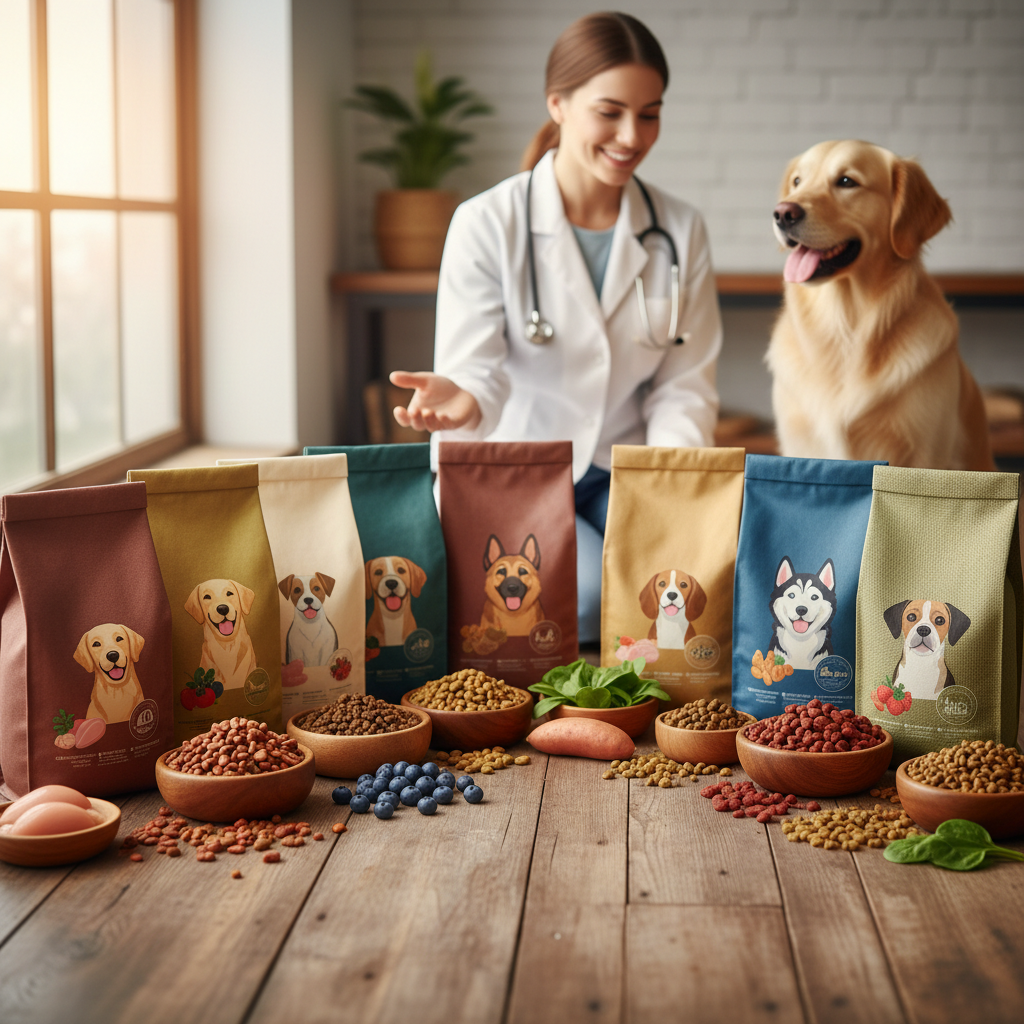
When selecting the best kibble for your dog, understanding the key nutrients essential for optimal canine health is crucial. A well-balanced dog food should contain high-quality proteins, healthy fats, carbohydrates, vitamins, and minerals. Proteins from sources such as chicken, beef, or fish are vital for muscle maintenance and repair, while healthy fats contribute to a shiny coat and overall energy.
In addition to macronutrients, the inclusion of omega-3 and omega-6 fatty acids is important for promoting skin health and reducing inflammation. Carbohydrates, such as whole grains and vegetables, provide necessary energy and fiber for digestive health. Vitamins A, C, and E, along with essential minerals like calcium and phosphorus, support various bodily functions, including immune health, bone strength, and metabolic processes. Prioritizing these nutrients when choosing dog kibble can significantly enhance your pet's well-being and long-term health.
Veterinary Insights on Ingredients to Avoid in Dog Kibble
When selecting kibble for your canine companion, it's crucial to pay attention to the ingredients that veterinarians often advise avoiding. Ingredients such as by-products, artificial preservatives, and fillers can detract from the nutritional quality of dog food. By-products may include leftover parts of animals that are not suitable for human consumption, often leading to an unbalanced diet lacking essential nutrients. Opting for high-quality protein sources, such as whole meats, ensures that your dog receives a rich and nutritious diet.
Furthermore, artificial colors and flavors, commonly found in various dog kibble brands, can pose health risks and contribute to allergies or digestive issues in dogs. These additives often serve to enhance the visual appeal of the food rather than its nutritional value. Instead, choose kibble that uses natural ingredients and lacks unnecessary additives. Reading labels carefully and consulting with veterinarians can help dog owners make informed decisions to promote optimal canine health and well-being.
Top 10 Kibble Dog Foods Recommended by Veterinarians for Optimal Canine Health
| Rank |
Brand |
Key Ingredients |
Nutrients |
Ingredients to Avoid |
| 1 |
High-Quality Meat Protein |
Chicken, Brown Rice, Peas |
Protein, Fiber, Omega Fatty Acids |
Artificial Preservatives, Meat By-Products |
| 2 |
Premium Grain-Free |
Salmon, Sweet Potatoes, Lentils |
Omega 3, Fiber, Antioxidants |
Corn, Soy, Wheat |
| 3 |
Balanced Nutrition |
Lamb, Barley, Carrots |
Vitamins, Minerals, Protein |
By-Products, Fillers |
| 4 |
Holistic Formulation |
Turkey, Quinoa, Blueberries |
Probiotics, Antioxidants |
Artificial Colors, Sugar |
| 5 |
Veterinary Diet |
Chicken Meal, Brown Rice |
Nutrient Dense, Low Glycemic |
Sodium, BHA/BHT |
| 6 |
Natural Ingredients |
Beef, Spinach, Carrots |
Iron, Vitamins A, C, E |
Chemical Preservatives |
| 7 |
Grain Inclusive |
Duck, Oats, Beets |
Balanced Omega, Fiber |
Meat By-Products |
| 8 |
Small Breed Formula |
Chicken, Peas, Carrots |
Small Kibble Size, Antioxidants |
Low-Quality Grains |
| 9 |
Limited Ingredient Diet |
Lamb, Potato, Peas |
Simple Nutrient Profile |
Unrelated Proteins |
| 10 |
Weight Management |
Chicken, Brown Rice, Green Beans |
Weight Control, Fiber |
High-Fat Ingredients |
Top 5 Kibble Brands Recommended for Canine Health by Animal Nutritionists
When it comes to selecting the best kibble for your furry companion, it's crucial to pay attention to recommendations from animal nutritionists. These experts emphasize the importance of high-quality ingredients, balanced nutrition, and specific dietary needs tailored to each dog's age, breed, and health status. Among the top kibble brands recommended for canine health are those that prioritize whole, natural ingredients and avoid fillers and artificial additives.
One prominent choice is a brand that incorporates a variety of protein sources, ensuring that dogs receive adequate amino acids for muscle maintenance and energy. Additionally, kibble that includes healthy fats, such as omega-3 and omega-6 fatty acids, supports skin and coat health while promoting a well-functioning immune system.
Another noteworthy brand focuses on grain-free options, catering to dogs with sensitivities, while still providing essential nutrients through alternative sources like sweet potatoes and peas. By following the advice of animal nutritionists, pet owners can make informed decisions that enhance their dog's overall well-being and longevity.
Comparative Analysis of Grain-Free vs. Grain-Inclusive Kibble Options
When evaluating the nutritional value of kibble dog food, pet owners often face the decision between grain-free and grain-inclusive options. Grain-free diets are marketed as being more natural, focusing on protein-rich ingredients and often featuring sweet potatoes or peas as carbohydrates. This approach is popular among those who believe their dogs may have sensitivities or allergies to grains. Proponents of grain-free kibble argue that these options can lead to better digestion and overall health in dogs.
On the other hand, grain-inclusive kibbles provide essential carbohydrates and fibers that can aid in digestion and promote sustained energy levels. These diets typically include grains such as brown rice or barley, which can contribute to heart health and stable blood sugar levels. Additionally, some veterinarians suggest that certain grains contain beneficial nutrients that support a well-rounded diet, advocating for moderation and a balanced approach to canine nutrition. As dog owners weigh the benefits of each type, individual pet health needs should ultimately guide their choices.
Impact of Kibble Quality on Long-Term Health of Dogs According to Recent Studies
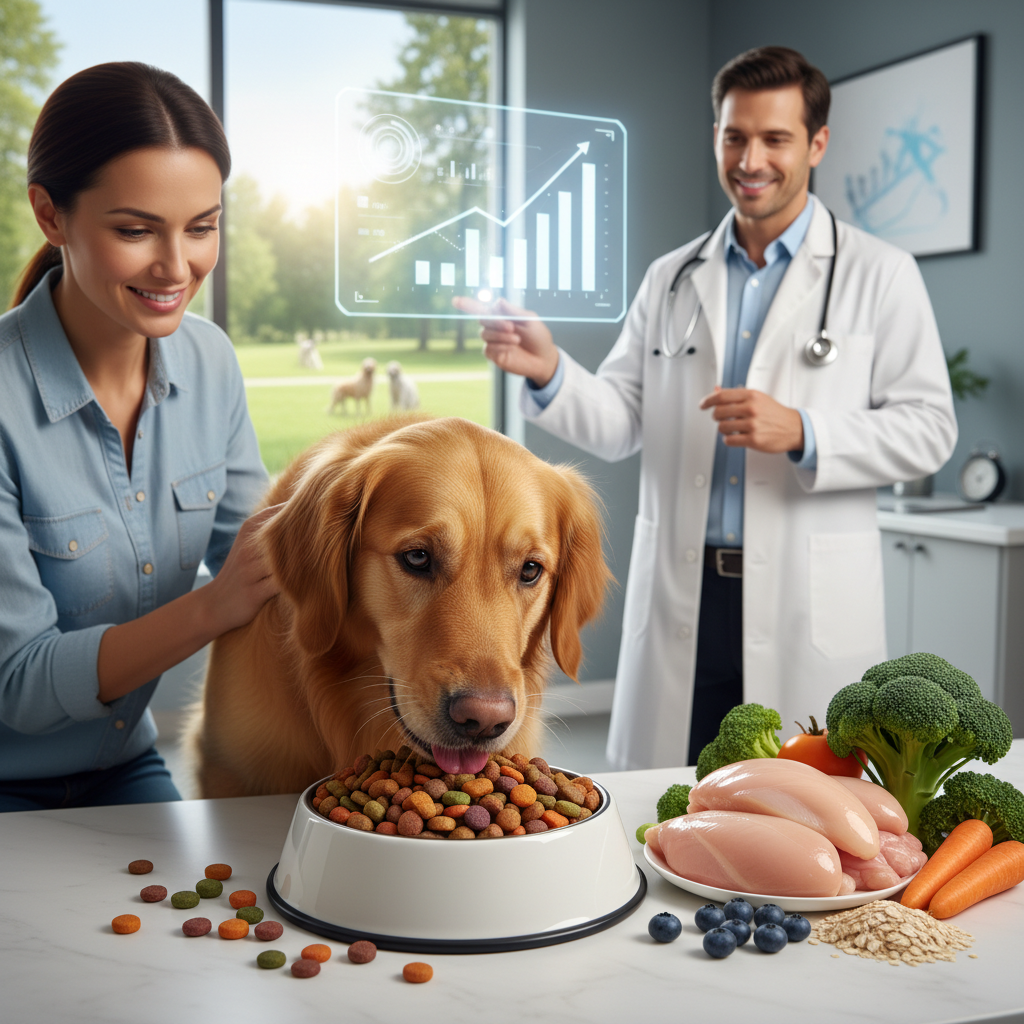
Recent studies have shown a significant correlation between the quality of kibble dog food and the long-term health of dogs. According to a report by the Association of American Feed Control Officials (AAFCO), pets that consume high-quality kibble tend to exhibit fewer health issues, including obesity, dental problems, and gastrointestinal disorders. A study published in the Journal of Veterinary Internal Medicine found that dogs fed premium-grade kibble—crafted with wholesome ingredients—had a 20% lower risk of developing chronic diseases compared to those fed lower-quality brands.
Furthermore, the nutritional composition of kibble plays a crucial role in canine health. Research indicates that dog foods that adhere to the AAFCO standards for protein, fat, and essential nutrients can enhance a dog's immune system and overall vitality. For example, a study from the University of California revealed that dogs on diets rich in omega-3 fatty acids, often found in high-quality kibble, exhibited improved joint health and cognitive function as they aged. Veterinarians universally recommend selecting kibble that meets high nutritional standards, emphasizing that the right diet is foundational for achieving optimal health outcomes in dogs.