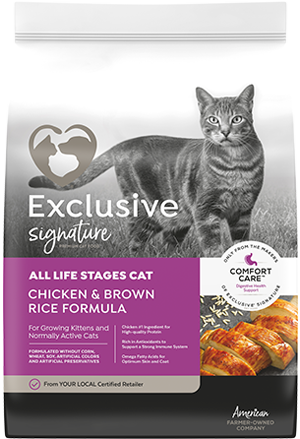
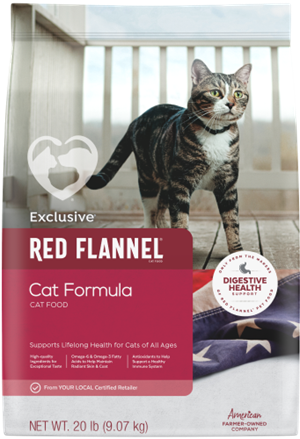
Pet food delivery is no longer a niche convenience for busy pet owners. It now sits inside a larger shift toward online shopping, subscription services, and personalized nutrition.
The American Pet Products Association reported that U.S. pet industry spending reached approximately $152 billion in 2024. Pet food and treats remained the largest category. Meanwhile, Packaged Facts identifies pet humanization as a major force behind premium products and digital purchasing. Research director David Sprinkle has described “pet humanization” as a continuing driver of innovation in the pet food market.
The numbers look strong.
Still, growth does not guarantee quality.
This guide examines the top pet food delivery services in 2026 through practical criteria. These include ingredient transparency, delivery reliability, subscription flexibility, veterinary support, price, and packaging. A fresh box on the doorstep means little if the food does not suit a pet’s age, allergies, or activity level.
The U.S. Food and Drug Administration also reminds consumers that “natural” and “premium” claims do not replace complete nutritional information. That warning matters when brands use attractive labels and polished websites. Some services offer excellent customization, but their recommendations may remain limited without professional veterinary input.
No ranking is perfect.
Regional availability changes. Prices move. Some pets reject carefully selected meals after one sniff. Therefore, this comparison balances published company information, consumer convenience, nutritional standards, and independent industry data. It also recognizes an uncomfortable point: the most expensive subscription is not automatically the best choice for every household or pet.

A pet food delivery service sends meals, treats, or supplements directly to your home on a recurring or one-time schedule. Orders are usually placed through a website or mobile platform. You select your pet’s species, age, weight, dietary needs, and preferred delivery frequency.
The better services use clear ingredient lists, feeding guidance, and secure packaging. Some offer freshly prepared meals, while others deliver dry food, canned food, or veterinary-formulated diets. Delivery may arrive in a sealed box with insulation, especially when the food needs temperature control. I have found that accurate pet measurements matter. A small weight change can alter portion recommendations.
Good services also provide customer support and flexible scheduling. You should be able to pause an order, change the address, or adjust quantities without confusion. Look for transparent sourcing and practical storage instructions. Independent quality testing is useful, but vague claims deserve caution. “Natural” does not explain nutritional balance.
Check whether the service uses qualified animal nutrition professionals and follows recognized nutritional standards. Your veterinarian should review special diets, allergies, kidney concerns, or unexplained weight loss. Online questionnaires can help, but they cannot replace a physical examination. Delivery is convenient, not magical. My own mistake would be treating convenience as proof of quality. A reliable service should fit your pet’s health needs, your storage space, and your actual budget.
| Service Type | What It Provides | Food Format | Storage Requirement | Personalization Options | Best Suited For | Important Delivery Consideration |
|---|---|---|---|---|---|---|
| Fresh Refrigerated Meal Delivery | Pre-portioned meals delivered on a recurring schedule for convenient feeding. | Cooked, fresh food that is usually packed in sealed portions. | Refrigeration is required; opened portions should be handled according to the package instructions. | Pet profile, age, weight, activity level, food preferences, and feeding amount. | Owners seeking minimally processed meals and convenient portion control. | The package should arrive cold and be transferred to a refrigerator promptly. |
| Frozen Fresh Meal Delivery | A subscription or one-time shipment of prepared meals intended for longer storage. | Frozen cooked meals, patties, or portioned packs. | A freezer is needed; meals are commonly thawed in the refrigerator before serving. | Portion guidance and recipes may be matched to a pet’s basic profile. | Households that want to order in bulk and reduce delivery frequency. | Insulated packaging and sufficient frozen gel packs help protect the shipment during transit. |
| Shelf-Stable Subscription Delivery | Regular delivery of food that can be stored at room temperature before opening. | Dry kibble, canned food, pouches, or other commercially packaged products. | A cool, dry storage area is generally suitable; opened wet food requires appropriate refrigeration. | Food type, life stage, size, dietary preferences, and recurring quantity. | Owners prioritizing convenience, predictable replenishment, and simple storage. | Delivery timing is flexible because unopened products do not normally require cold shipping. |
| Personalized Dry Food Delivery | A dry-food plan selected using information about the pet and its feeding routine. | Dry kibble or mixed dry-food formats. | Store in a sealed container in a cool, dry place. | Breed or size, age, weight, activity, allergies, and feeding goals may be used for recommendations. | Pets that eat dry food and owners who want automated replenishment. | The delivery schedule should be adjusted when the pet’s appetite, weight, or feeding amount changes. |
| Freeze-Dried or Dehydrated Food Delivery | Lightweight food shipped without the refrigeration required by fresh meals. | Freeze-dried pieces, dehydrated food, toppers, or meal mixes. | Keep sealed in a cool, dry place; some products are rehydrated with water before serving. | Flavor selection, life stage, feeding quantity, and optional toppers or supplements. | Travelers and owners who want a shelf-stable alternative to refrigerated food. | Follow the product’s water, handling, and serving directions, especially after rehydration. |
| Raw Food Delivery | A delivery model for raw or minimally cooked meals prepared for pet feeding. | Frozen raw portions, patties, or sealed meal packs. | Freezer storage is typically required, with refrigerated thawing before use. | Protein selection, portion size, life stage, and recipe preferences. | Experienced owners who understand raw-food handling and storage requirements. | Use careful hygiene, keep the food at the required temperature, and follow veterinary guidance. |
| Veterinary Prescription Diet Delivery | Delivery of therapeutic pet food intended to support the management of diagnosed health conditions. | Dry food, canned food, or other veterinarian-recommended formats. | Storage depends on the specific product; unopened dry food is generally shelf-stable, while opened wet food may require refrigeration. | Medical condition, veterinarian authorization, pet size, and feeding instructions. | Pets that require a clinically appropriate diet selected with veterinary involvement. | A prescription or veterinarian approval may be required, and diet changes should be supervised by a veterinarian. |
Note: A pet food delivery service is an online ordering model that ships pet food directly to the customer, either as a one-time purchase or through a recurring subscription. Product suitability, nutritional adequacy, storage, and feeding amounts should be checked against the package label and, when appropriate, veterinary advice.