2026 Top Puppy Food Options for Global Buyers to Consider?
Choosing the right puppy food is crucial for a healthy start. As pet owners, we want nothing but the best for our furry companions. With numerous options available, it can be overwhelming to decide. The right nutrition sets the foundation for your puppy’s growth, energy levels, and overall well-being.
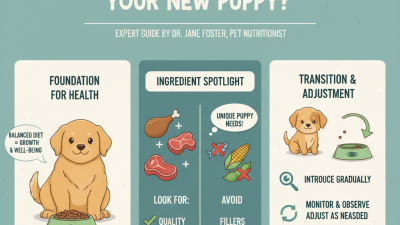
As we look towards 2026, understanding top puppy food options can simplify the decision-making process. Quality ingredients and balanced nutrition are vital. Not all puppy food brands are created equal. Some may contain fillers or artificial additives that aren’t beneficial. Buyers need to prioritize brands that emphasize real meat, wholesome grains, and essential nutrients.
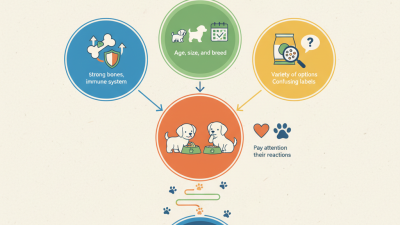
Navigating puppy food labels requires knowledge and careful consideration. Ask yourself what your puppy truly needs. This might involve trial and error before finding the perfect fit. Keep in mind—every puppy is unique. A food that works for one may not work for another. Ultimately, making informed choices will lead to happier, healthier puppies.

2026 Market Trends in the Global Puppy Food Industry
The puppy food market is evolving rapidly. In 2026, buyers will encounter diverse trends. One notable trend is the rise of plant-based diets. More pet owners seek sustainable options. These foods often feature ingredients like lentils and chickpeas. This shift reflects broader dietary trends in society.
Another significant trend is personalized nutrition. Dog owners want food tailored to their pets' needs. Companies are starting to offer customized blends. Factors like age, breed, and health conditions play a crucial role in this. However, this personalization requires more research and understanding. Many owners still struggle to grasp nutritional requirements.
Moreover, transparency is becoming increasingly important. Consumers demand clarity on ingredient sourcing and production practices. Ethical sourcing can enhance trust in brands. However, not all companies provide detailed information. This lack of clarity can lead to confusion. The industry must address these challenges to build credibility. As we move forward, responsible sourcing and clear communication will shape the future of puppy food.
2026 Top Puppy Food Options for Global Buyers to Consider
| Food Type |
Protein Source |
Main Ingredient |
Nutritional Value (per 100g) |
Projected Market Growth (%) |
| Dry Kibble |
Chicken |
Corn |
25g Protein, 15g Fat |
8% |
| Wet Food |
Beef |
Meat by-products |
20g Protein, 10g Fat |
6% |
| Grain-Free |
Fish |
Sweet potato |
30g Protein, 12g Fat |
12% |
| Raw Diet |
Turkey |
Raw meat |
35g Protein, 16g Fat |
15% |
| Homemade |
Lamb |
Rice |
22g Protein, 8g Fat |
10% |
Key Nutritional Needs for Puppies: Essential Ingredients to Consider
When selecting puppy food, focus on key nutritional needs. Puppies require balanced diets to grow strong and healthy. Protein is crucial for muscle development. Look for high-quality sources like meat or fish. These ingredients provide essential amino acids that support overall growth.
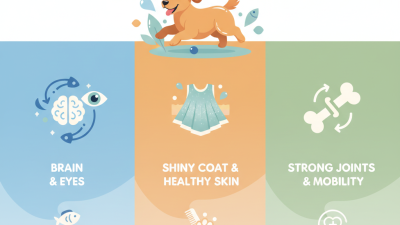
Fats are another important component. They supply energy and aid in nutrient absorption. Healthy fats from sources like fish oil can help improve coat health. Additionally, carbohydrates provide the necessary energy for playful puppies. However, too many carbs can lead to weight issues, which is a concern for many new pet owners.
Consider vitamins and minerals that support puppy development. Calcium and phosphorus are vital for bone growth. Puppies also benefit from antioxidants that enhance their immune systems. Not all dog foods meet these requirements adequately, so pet owners must research thoroughly. While many options claim to be ideal, it’s essential to read ingredient labels. Some foods may contain fillers that offer little nutritional value, which can lead to future health problems.
Comparative Analysis of Top Puppy Food Brands: Quality and Pricing
When choosing puppy food, quality and pricing are crucial factors. Many brands offer varying ingredients and nutritional profiles. For global buyers, comparing these options is essential for making informed decisions. Key components like protein sources, fat content, and added vitamins can greatly impact your puppy's growth and health.
Tip: Always check the ingredient list. High-quality puppy food should list a specific protein source first, like chicken or lamb. Avoid products with fillers and artificial additives. Some brands may appear affordable but compromise on nutrition, leading to potential health issues.
Pricing can also reflect quality. Premium brands often invest more in research and sourcing quality ingredients. However, not every expensive brand guarantees better nutrition. Some budget-friendly options still maintain high nutritional value.
Tip: Join online forums or communities for dog owners. Sharing experiences can provide insights into which brands perform well in real-life scenarios. This collaborative approach helps to identify reliable options while also considering individual puppy needs.
Consumer Preferences: Buying Behavior of Global Puppy Food Buyers
Consumer preferences for puppy food reveal interesting trends across global markets. Research shows that nearly 65% of pet owners prioritize natural ingredients in their purchases. They seek out foods with high protein content and few artificial additives. According to the Pet Food Industry Report 2022, the demand for grain-free options has risen significantly. Many buyers believe grain-free diets improve their pets' health.
Moreover, packaging plays a crucial role. About 70% of consumers are influenced by eco-friendly packaging. They are more likely to choose brands that emphasize sustainability. However, some pet owners express confusion about ingredient labeling. This indicates a need for clearer communication from manufacturers.
Additionally, pricing affects decisions. The same report states that 55% of puppy food buyers consider price a critical factor. This often leads them to compromise on quality for affordability. Yet, some consumers acknowledge the long-term benefits of investing in premium food. The balance between cost and quality remains a challenge for many.
Impact of Regulations and Certifications on Puppy Food Quality Standards
When choosing puppy food, regulations and certifications play a crucial role. Different countries have distinct standards. These standards shape the nutritional quality. They also influence manufacturing practices. Many pet food producers strive to meet the highest expectations. However, not all follow through.
In the U.S., for example, AAFCO sets guidelines for pet food. Yet some brands may only use these as suggestions. This can lead to inconsistencies. In contrast, European nations enforce strict regulations, ensuring high-quality ingredients. Certifications from reputable organizations can further assure buyers of safety and nutrition.
Quality can vary widely across brands. Some might claim to be “natural” or “organic” without clear backing. It’s essential for buyers to research and ask questions. An ingredient list should be easy to comprehend. Labels can be deceiving, making scrutiny necessary. Ultimately, dog owners must remain vigilant. Ensuring your puppy's food meets quality standards is vital for their growth and health.