Top Puppy Food Options for Healthy Growth and Happiness?
When choosing puppy food, pet owners often feel overwhelmed. The right diet plays a vital role in a puppy's growth and happiness. Feeding your puppy quality food ensures they develop properly and are full of energy. Puppies require specific nutrients to support their bodies and minds.
There are many puppy food options in the market. Some brands claim to provide the best nutrition. However, not all products deliver on their promises. Reviewing ingredient lists can be tricky. Some terms sound appealing but may not offer real value. It’s crucial to question what you feed your puppy.
It's easy to make mistakes when selecting food. Sometimes, a popular choice might not suit your puppy’s needs. Individual dietary requirements vary significantly. Each puppy is unique, and understanding your pet's specific needs is crucial. Picking the right puppy food fosters a happy, healthy life for your furry friend.
Top Considerations for Choosing Puppy Food for Optimal Growth
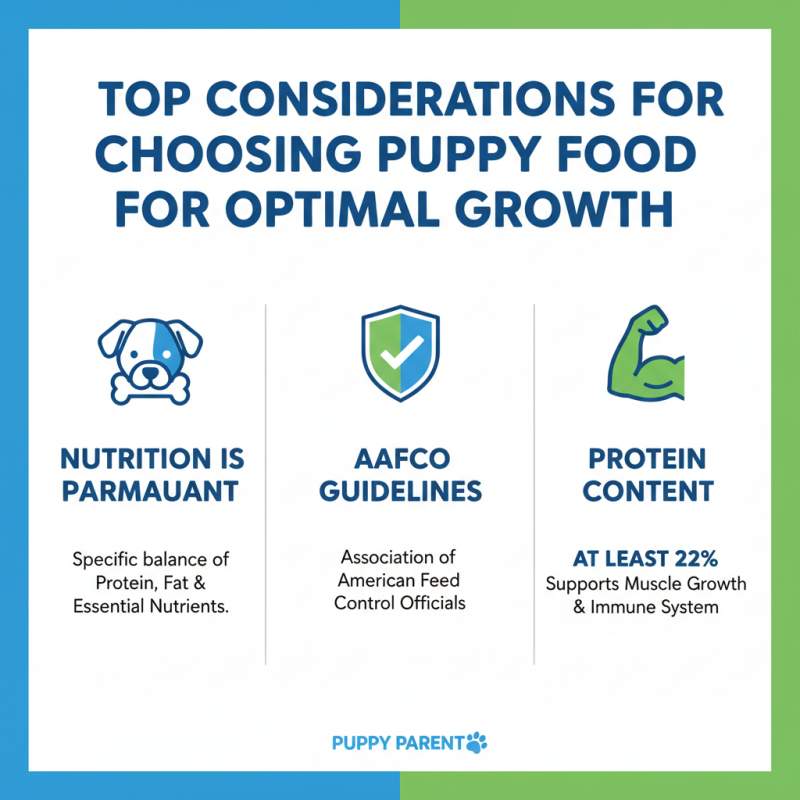
When selecting puppy food, several key factors must be considered for optimal growth. Nutrition is paramount. According to the Association of American Feed Control Officials (AAFCO), puppies require a specific balance of protein, fat, and essential nutrients. The ideal puppy diet should contain at least 22% protein. This protein not only supports muscle growth but also aids immune system development.
Another important consideration is the size of the puppy. Large breeds may require different nutrients than small breeds. A study published in the Journal of Animal Science indicates that large breed puppies are prone to skeletal issues if their growth rate is too rapid. Thus, calorie density and nutrient intake should be adjusted accordingly. Choosing a food tailored for your puppy's breed size can prevent these growth-related issues.
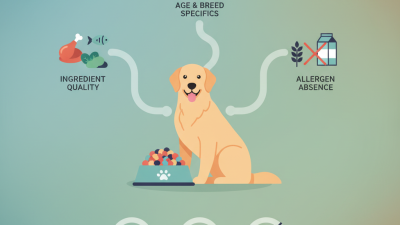
Additionally, ingredient quality matters. Many pet owners overlook this detail. Whole food ingredients contribute to better digestibility and nutrient absorption. However, some puppy foods include fillers that provide little nutritional value. The Pet Food Institute suggests that owners should read labels carefully. Look beyond marketing claims to ensure the food supports your puppy’s health and happiness.
Essential Nutrients for Healthy Puppy Development
Choosing the right food is crucial for puppy growth. Puppies require specific nutrients for optimal development. Studies indicate that protein is essential for building strong muscles and tissues. Quality protein sources support overall health. A report from the Association of American Feed Control Officials (AAFCO) highlights that puppies need at least 22% protein in their diet.
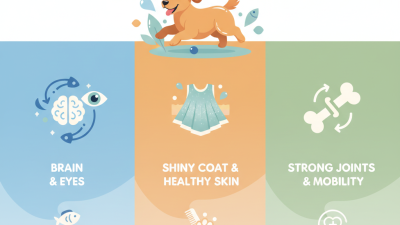
Fats are another key nutrient. Essential fatty acids promote healthy skin and a shiny coat. They also aid brain development. Research suggests that diets with adequate omega-3 and omega-6 fatty acids can benefit behavior and learning. Look for foods rich in these vital fats to support your puppy's cognitive functions.
Vitamins and minerals play a significant role too. Calcium supports strong bone growth, while phosphorus aids in energy metabolism. A balanced ratio is necessary to prevent bone deformities. However, over-supplementation can lead to health issues. Monitoring the nutrient intake helps avoid such problems. Selecting high-quality, nutritious foods is a step towards a happy, healthy puppy.
Review of Popular Puppy Food Brands and Their Nutritional Benefits
Choosing the right puppy food is crucial for their growth. A balanced diet sets the stage for strong bones and muscles. Experts recommend a protein content of at least 20-30% for puppies. This supports their rapid growth phase.
Many popular brands offer high-quality ingredients. Whole meats, vegetables, and grains are essential. Research shows that puppies thrive on diets rich in omega-3 fatty acids. These fatty acids enhance brain development and vision. Yet, not all brands meet these criteria.
Some foods contain fillers that provide little nutrition. This can lead to allergies or digestive issues. Puppies need more than just calories; they require the right nutrients. However, navigating these options can be complex. Pet owners often face confusion and an overwhelming variety. It's important to carefully read labels and ingredient lists. Balancing convenience and nutrition is a challenge but necessary for a happy, healthy puppy.
How to Transition Your Puppy to a New Diet Safely
Transitioning your puppy to a new diet is crucial for their health. A study from the American Kennel Club shows puppies require special nutrients for growth. When considering a diet change, do it gradually over a week. This helps prevent digestive upset.
Start by mixing their current food with the new one. On the first day, use 75% old food and 25% new food. The next few days should balance the ratio. By day six, your puppy should have mostly new food, with only a bit of the old. Monitoring your puppy is important. Watch for any signs of discomfort.
Change can be tricky for puppies. They might resist at first. Keep meals consistent in timing and place. Use positive reinforcement. A calm, happy environment reassures them. It may take time for your puppy to embrace the change. Patience is essential.
Top Puppy Food Options for Healthy Growth and Happiness
This chart displays the nutritional composition of different puppy food options, focusing on key elements such as Protein, Fat, and Fiber content. These are essential for your puppy's healthy growth and happiness.
Feeding Guidelines for Different Breeds and Sizes of Puppies
Puppies come in various breeds and sizes. Each has unique dietary needs. Larger breeds may require different nutrients compared to smaller ones. For instance, big pups need a balanced diet high in protein and calcium to support their growing bones.
Smaller breeds might benefit from higher fat content for energy. They can have smaller meals, but more frequently throughout the day. Many owners overlook the importance of proper portion control. Overfeeding can lead to obesity, especially in smaller breeds.
It's essential to monitor their growth closely. Adjust their food based on activity level and health. Puppies may not always indicate hunger accurately. A puppy's diet should evolve as it grows. Reflecting on feeding habits can lead to healthier decisions.
Top Puppy Food Options for Healthy Growth and Happiness
| Puppy Breed |
Recommended Food Type |
Age Range (Months) |
Nutritional Focus |
Feeding Guidelines (cups/day) |
| Labrador Retriever |
Dry Kibble |
2-12 |
Protein Rich |
3-4 |
| German Shepherd |
Wet Food |
2-12 |
Joint Health |
4-5 |
| Golden Retriever |
Grain-Free Formula |
2-12 |
Heart Health |
3-4 |
| Bulldog |
Specialized Puppy Food |
2-10 |
Skin & Coat |
2-3 |
| Poodle |
Organic Blend |
2-12 |
Digestive Health |
2-3 |