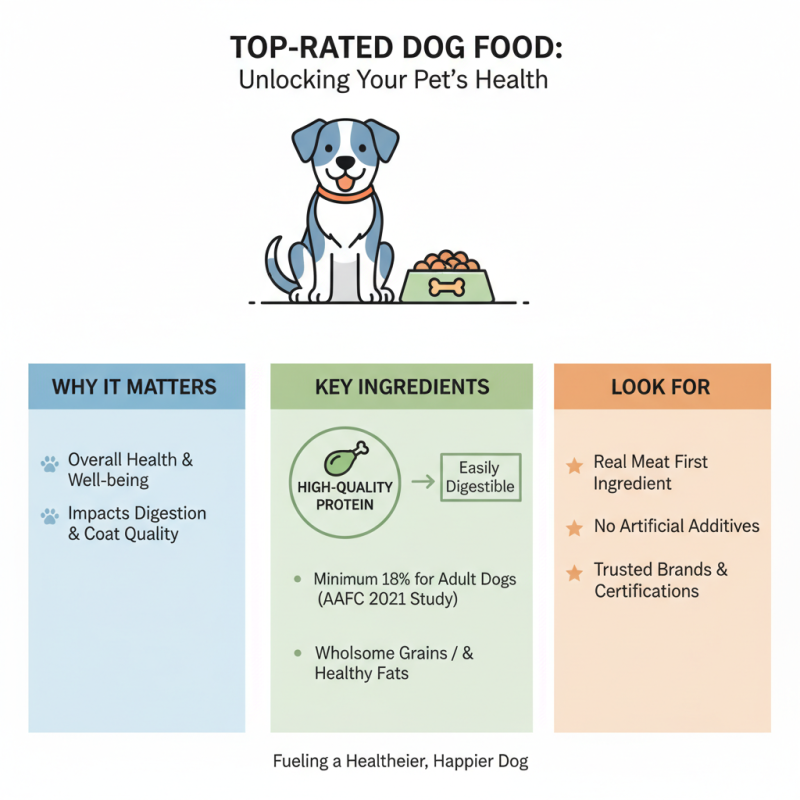
Why Is Top Rated Dog Food Important for Your Pet's Health?
The health of your pet largely depends on their diet. Choosing the right food is crucial. Top rated dog food plays a significant role in enhancing the well-being of dogs. A balanced diet contributes to better energy levels, shiny fur, and overall vitality. However, many pet owners may overlook the importance of quality.
Not all dog foods are created equal. Some may contain fillers and artificial additives. These can be harmful in the long run. When you prioritize top rated dog food, you're investing in your pet's future. Ingredients matter. Real meat, vegetables, and essential nutrients are what your dog needs.
It’s important to research before making a choice. Many brands claim to be the best, but true quality shines through. Evaluate nutritional content, sourcing, and customer reviews. Your dog's health is worth the extra effort. Making informed decisions can prevent health issues down the line. Remember, what you feed your pet today shapes their tomorrow.
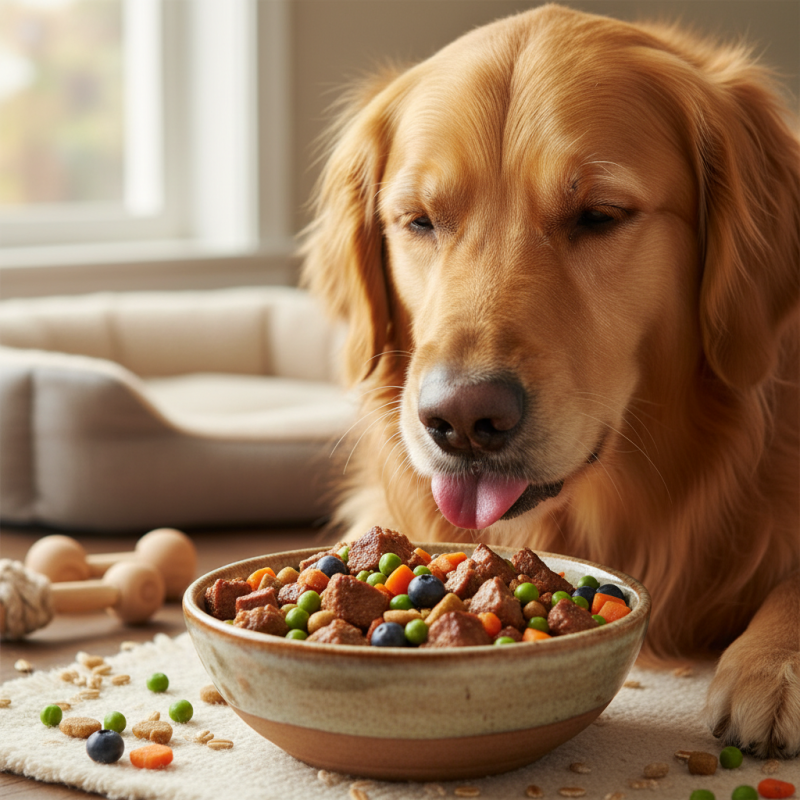
Importance of Nutrition in Canine Health
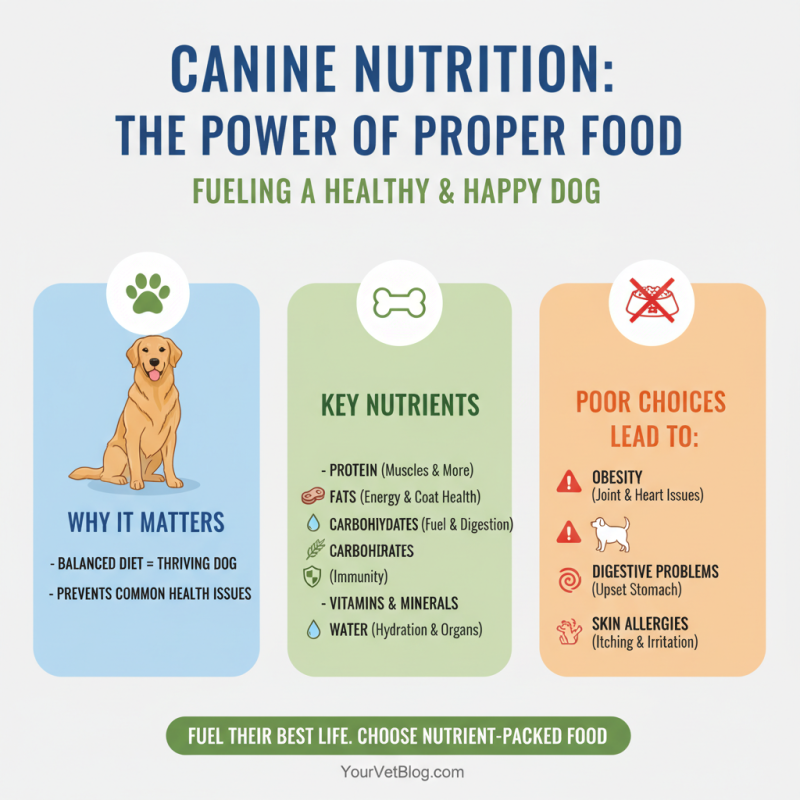
Nutrition plays a crucial role in canine health. Just like humans, dogs require a balanced diet to thrive. Poor food choices can lead to health issues. These may include obesity, digestive problems, or even skin allergies. It’s essential to feed your dog food packed with nutrients.
Tip: Always check ingredient lists. Look for whole ingredients like meat and vegetables. Avoid foods with fillers or by-products. This small change can improve your dog’s overall health.
A dog’s energy, coat quality, and mood are directly linked to its diet. A well-nourished dog is more active and less prone to illnesses. Remember, not all foods labeled "healthy" truly are. It’s essential to do your research.
Tip: Gradually introduce new foods. This helps prevent digestive upsets. Observe how your dog reacts to different types of nutrition. It’s a learning curve for both you and your pet. Adjust based on their needs and preferences.
Understanding Ingredients in Top Rated Dog Food
Choosing top-rated dog food is crucial for your pet's overall health. The ingredients used in these foods can significantly impact your dog's well-being. For instance, protein sources should be high-quality and easily digestible. According to a 2021 study from the Association of American Feed Control Officials (AAFCO), protein should make up at least 18% of an adult dog's daily diet.
Carbohydrate inclusion is also essential. Some sources suggest that dogs thrive on a balanced ratio of grains and vegetables. A report from the Pet Food Institute highlights that whole grains provide necessary fiber, aiding digestion. Yet, not all dog foods are created equal. Some contain fillers that offer little nutritional value. An analysis from the Pet Food Association revealed that about 30% of popular dog foods might lack vital nutrients.
Fats are fundamental too. They supply energy and support skin health. Omega-3 and omega-6 fatty acids are particularly beneficial. However, some products may advertise "healthy" fats but fail to meet required amounts. Grain-free diets are modern trends, yet they can cause issues in some breeds. Many pet owners need to consider these nuances when selecting food for their dogs. Quality matters, and it could reflect on your pet's health.
Benefits of High-Quality Dog Food for Longevity
High-quality dog food plays a vital role in ensuring your pet's longevity. Feeding your dog nutritious ingredients can make a significant difference. Quality dog food often includes real meat, whole grains, and vegetables. These ingredients help maintain a healthy weight and support a strong immune system.
When dogs receive the right nutrients, they are less likely to suffer from digestive issues or skin allergies. Their coat often shines, showcasing better hydration and nourishment. Additionally, strong bones and muscles promote an active lifestyle. Dogs that are well-fed tend to have more energy and enthusiasm.
However, not all owners understand the importance of selecting high-quality food. Many opt for cheaper options that lack essential nutrients. This can lead to health complications down the road. Reflecting on our choices is essential. Our pets depend on us to make the best decisions for their health.
Impact of Dog Food on Allergies and Digestive Health
The food you choose for your dog plays a crucial role in their overall health. Many dogs suffer from allergies and digestive issues. The right dog food can significantly improve these conditions. According to a study published by the Journal of Animal Science, nearly 10% of dogs are affected by food allergies, leading to discomfort and veterinary visits.
Digestive health is deeply influenced by diet. A balanced diet rich in fiber can help maintain digestive regularity. The American Kennel Club states that about 20% of dogs experience gastrointestinal problems at least once in their lives. High-quality dog foods often contain probiotics and prebiotics to support gut health. These nutrients help promote a healthy balance of bacteria in the gut, reducing symptoms like bloating and diarrhea.
Choosing top-rated dog food doesn’t just help with allergies and digestion; it sets the foundation for a long, healthy life. However, not all formulas work for every dog. Each pet is unique, and what works for one might not suit another. It’s essential to monitor your dog's reaction to their food. Adjusting their diet based on their specific needs can sometimes be a trial-and-error process.
Selecting the Right Dog Food for Different Breeds and Life Stages
Selecting the right dog food is crucial for your pet's health. Different breeds require specific nutrients to thrive. For example, large breeds often need a diet that helps support their bone health. Studies show they are prone to joint issues. Smaller breeds may benefit from higher protein levels to maintain their energy.
Puppies require different nutrients compared to adult dogs. A report indicates that about 70% of dogs develop obesity during their lives, often linked to poor nutritional choices. Feeding your puppy balanced, age-appropriate food can prevent health problems later. Furthermore, older dogs may need diets lower in calories but enriched with fiber to aid digestion.
Breeding considerations matter too. Working dogs often need a diet that fuels their higher energy levels. However, many pet owners overlook this. They might choose generic food instead of tailored options. Awareness and research are needed to ensure the health of all breeds at every stage of life.