Why Choose Venison Dog Food for Global Pet Markets?

Why Choose Venison Dog Food for Global Pet Markets?

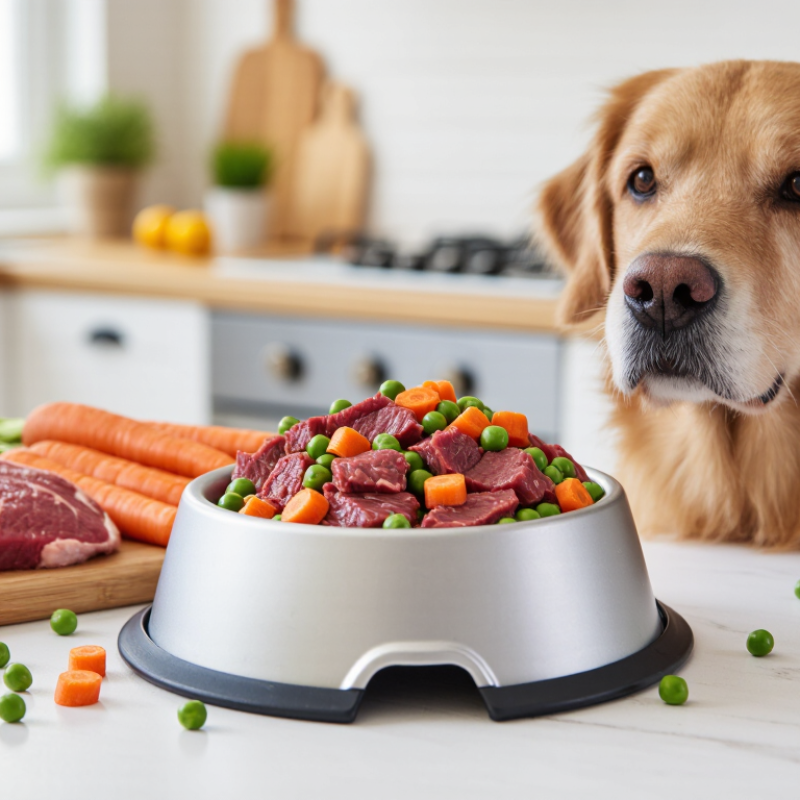
Pet owners increasingly seek distinctive proteins with clear nutritional value. Venison dog food offers a compelling option for brands serving diverse global markets. Its rich flavor may appeal to selective dogs, especially those tired of familiar poultry or beef recipes. Venison also provides high-quality protein, iron, and essential amino acids when formulated correctly. Every bowl should still meet recognized canine nutrition standards. Novel protein does not automatically mean complete nutrition.

From my experience reviewing pet food trends, buyers often ask practical questions first. Where was the venison sourced? How was it processed? Can suppliers maintain consistent quality throughout the year? Transparent answers build trust. Responsible manufacturers should provide traceability, laboratory testing, and feeding guidance. They should also follow the food safety and labeling requirements of each target market. One formula cannot fit every country.

The opportunity is real, but it deserves careful thinking. Wild game supplies can vary by season, region, and population management. Ethical sourcing matters. So does accurate communication about allergies, sensitivities, and veterinary advice. Some dogs may benefit from a novel protein diet, while others may not. Marketing should avoid promising medical results. That would weaken credibility. A reliable product balances palatability, digestibility, sustainability, and regulatory compliance. It also respects local expectations, from small urban pet shops to large international retailers. Venison dog food can stand out, but only when evidence supports the story.
Why Choose Venison Dog Food for Global Pet Markets?

Venison Dog Food: Definition and Key Characteristics

Venison dog food is a canine diet that uses deer meat as its main animal protein. Most recipes include muscle meat, organs, vegetables, grains, or alternative carbohydrates. Venison is naturally rich in protein and provides iron, zinc, and B vitamins. It is often lean, with a firm texture and a distinctive earthy smell. However, venison is not automatically superior. Novel is relative. A dog may already have eaten it in treats or mixed diets.

Consumer interest is expanding with broader pet-care spending. FEDIAF’s 2024 Facts and Figures report records about 299 million pets in Europe and €29.3 billion in pet-food sales during 2023. APPA’s 2024 State of the Industry report places U.S. pet-industry spending at approximately $152 billion in 2024. These figures suggest strong market space for clearly explained, premium-positioned proteins. Still, nutrition claims require care. Buyers should check whether the food is complete and balanced under the target market’s recognized nutritional standards. Protein percentage alone says little about amino-acid quality or digestibility.

Tips: Check the ingredient order, feeding guide, mineral balance, and calorie density. For suspected allergies, use a veterinarian-guided elimination trial. “Limited ingredient” does not guarantee fewer reactions. Global buyers also need translated labels, traceability details, and storage instructions. Formulation mistakes remain possible, especially when recipes change between regions.


Nutritional Benefits of Venison for Dogs

Venison offers a distinctive nutritional profile for dogs, especially in global pet markets seeking varied protein sources. USDA FoodData Central reports that cooked venison provides approximately 30 grams of protein and 3 grams of fat per 100 grams. This lean profile can support muscle maintenance while helping manage calorie density in suitable diets.

Protein quality still depends on the full recipe. Venison alone cannot supply every essential nutrient. The FEDIAF Nutritional Guidelines for Complete and Complementary Pet Food for Cats and Dogs, 2024, stress balanced amino acids, minerals, vitamins, and energy levels. A properly formulated venison diet should therefore include appropriate calcium, fatty acids, and vitamin support. Lean matters.

Some dogs may benefit from venison during a veterinarian-guided elimination trial. It can serve as a less familiar protein for dogs exposed repeatedly to common ingredients. However, “novel” does not mean automatically hypoallergenic. Clinical response varies, and cross-contact during manufacturing can weaken an elimination plan. That caveat matters. WSAVA nutrition guidance also recommends evaluating the animal’s age, body condition, activity, and medical history before changing food. In practice, owners should watch stool quality, coat condition, appetite, and body weight over several weeks. The ingredient sounds premium, but evidence must outrank marketing language.

Why Global Pet Markets Are Choosing Venison-Based Diets

Why Choose Venison Dog Food for Global Pet Markets?

Global pet markets are choosing venison-based diets for practical nutritional reasons. Venison offers a less familiar animal protein than chicken or beef. This can help dogs with suspected food sensitivities, although it is not a guaranteed solution. Veterinary professionals still recommend controlled diets and careful observation. A dog’s itching may involve pollen, parasites, or several ingredients, not only one protein.

In different regions, buyers also value traceable sourcing and clear production standards. A reliable venison formula should provide complete nutrition, including suitable calcium, essential fats, vitamins, and minerals. Ingredient quality matters more than an impressive front label. Responsible manufacturers should explain sourcing, processing, and feeding guidance. Local regulations can differ, so formulas must meet the legal requirements of each market. That part is often overlooked.

Tips: Introduce the food gradually over seven to ten days. Watch stool quality, appetite, skin comfort, and energy levels. Keep fresh water available. Ask a veterinarian before changing diets for puppies, pregnant dogs, or animals with medical conditions. Venison may be nutritious, but it is not automatically better for every dog. Consumer interest can sometimes move faster than evidence. That deserves reflection.

Why Choose Venison Dog Food for Global Pet Markets? — Why Global Pet Markets Are Choosing Venison-Based Diets
Data Dimension Venison-Based Data Point Relevance to Global Pet Markets Practical Interpretation
Protein content Approximately 36 g of protein per 100 g of roasted venison Supports the positioning of venison as a nutrient-dense animal protein for premium and specialized diets. The final protein level of a dog food depends on the complete recipe, processing method, and moisture content.
Energy density Approximately 187–190 kcal per 100 g of roasted venison Provides a relatively lean meat option for formulas designed to manage calorie density. Feeding portions should be calculated from the finished food's metabolizable energy, not from raw meat values alone.
Fat content Approximately 4 g of fat per 100 g of roasted venison May appeal to consumers seeking leaner animal-protein recipes. A low-fat meat ingredient does not automatically make the complete diet low-fat; added oils and other ingredients affect the final result.
Iron contribution Approximately 5 mg of iron per 100 g of roasted venison Adds an important mineral to the nutritional profile of meat-based formulations. Iron content can vary with the cut, animal, preparation method, and ingredient specification.
Vitamin B12 contribution Provides naturally occurring vitamin B12 Supports the nutritional story of animal-based diets across markets where nutrient transparency is valued. A complete dog food should still be formulated and verified to meet the applicable nutrient profile.
Novel-protein positioning Often less familiar to many dogs than commonly used proteins such as chicken or beef Creates an option for limited-ingredient and elimination-diet product lines. “Novel” is relative to the individual dog's previous diet; venison is not automatically suitable for every food-sensitive dog.
Ingredient-list simplicity Can be used as the primary animal protein in limited-ingredient recipes Matches demand for shorter, easier-to-understand ingredient lists in premium pet-food categories. A short ingredient list must still provide adequate vitamins, minerals, essential fatty acids, and amino acids.
Palatability potential Distinctive game-meat aroma and flavor Can help diversify product portfolios and offer an alternative taste profile. Acceptance varies by dog; palatability testing should be performed on the finished product.
Allergy-related communication May help reduce exposure to a previously fed protein in a properly controlled diet trial Relevant to veterinary-oriented and sensitive-digestion product segments. Food allergies require veterinary assessment. Cross-contact controls and accurate labeling are essential.
Complete-and-balanced status Venison alone is not a complete and balanced dog food Global buyers increasingly require clear nutritional adequacy information rather than a single premium ingredient. The finished product should meet the applicable nutritional standard for the intended life stage and feeding purpose.
Life-stage suitability Recipe requirements differ for growth, gestation, lactation, and adult maintenance Enables market-specific product claims and feeding guidance when supported by formulation data. Puppy and reproduction diets generally require different nutrient targets from adult-maintenance diets.
Global labeling consideration Ingredient names, nutritional claims, and feeding statements vary by jurisdiction Important for exporting venison-based diets across North America, Europe, Asia-Pacific, and other regions. Country-specific rules should be checked before using claims such as “complete,” “hypoallergenic,” “limited ingredient,” or “sensitive.”
Traceability requirement Animal origin, processing controls, and batch documentation should be maintained Supports consumer confidence and import compliance for animal-derived ingredients. Traceability is especially important where wildlife, farmed-game, or cross-border meat-sourcing rules apply.
Sustainability communication Environmental impact depends on sourcing system, land use, transport, processing, and packaging Allows responsible sustainability communication without assuming that all venison has the same environmental profile. Use independently supported, region-specific evidence instead of making universal environmental claims.

Reference basis: nutrient values are approximate averages for cooked roasted venison reported in USDA FoodData Central; regulatory and nutritional adequacy statements should be verified against the applicable local pet-food requirements and the finished product specification.

Sourcing, Safety, and Quality Standards for Venison Dog Food

Why Choose Venison Dog Food for Global Pet Markets?

Venison dog food can serve owners seeking a less common animal protein. Yet global buyers need more than a novel-protein claim. FEDIAF’s 2024 report counted 139 million pet-owning households in Europe and 299 million companion animals. That scale demands consistent sourcing, not seasonal improvisation. Novelty is not proof.

Reliable suppliers should document the hunting or farming origin, harvest date, processing site, and transport temperature. Lot-level records should connect raw meat to finished bags. Cold-chain checks matter when fresh venison travels across borders. Codex Alimentarius recommends HACCP-based controls for animal-feed safety. In practice, one missing record can weaken an otherwise strong shipment.

Testing should cover Salmonella, E. coli, heavy metals, veterinary-drug residues, and nutritional composition. Accredited laboratories add credibility. Finished food should also meet the destination market’s rules for complete and balanced nutrition. Requirements differ between countries, even when safety principles look similar. APPA’s 2024 State of the Industry report valued U.S. pet food and treats at 59.6 billion dollars in 2023. That figure shows the commercial opportunity, but not automatic consumer trust. No test plan is perfect. Suppliers should review failures openly and improve controls. A clean label means little without clean evidence.

Consumer Trends and Market Opportunities Worldwide

Across global pet markets, venison dog food is moving from novelty toward a carefully evaluated premium option. Consumers increasingly read ingredient panels, seek traceable proteins, and compare feeding guidance before purchasing. Some want dietary variety; others value venison when common proteins do not suit their dogs. Trust matters more than exotic appeal. Veterinary nutrition professionals can strengthen that trust by explaining complete-and-balanced formulation, life-stage suitability, and safe portions. Clear evidence should replace dramatic allergy claims.

Across global pet markets, venison dog food is moving from novelty toward a carefully evaluated premium option. Consumers increasingly read ingredient panels, seek traceable proteins, and compare feeding guidance before purchasing. Some want dietary variety; others value venison when common proteins do not suit their dogs. Trust matters more than exotic appeal. Veterinary nutrition professionals can strengthen that trust by explaining complete-and-balanced formulation, life-stage suitability, and safe portions. Clear evidence should replace dramatic allergy claims.

Market opportunities differ sharply by region. In urban Asia, smaller packs, delivery convenience, and premium storytelling may attract busy households. European buyers often examine sourcing, environmental statements, and product compliance more closely. North American shoppers may respond to limited-ingredient positioning, but price remains a barrier. Retailers can test demand through transparent labels, sample sizes, and localized education. Cold-chain planning and reliable supply are less visible, yet decisive. Venison availability can fluctuate.

The strongest opportunity is not simply selling unusual meat. It is building dependable value around nutrition, traceability, and responsible sourcing. Producers should publish origin details, analysis results, feeding instructions, and contact channels for questions. They should also avoid implying that one protein benefits every dog. That message is less glamorous. It is more credible. An honest weakness remains: premium venison products may be inaccessible in lower-income markets. Flexible pack sizes and region-sensitive pricing could widen participation without weakening quality controls. That balance will require testing, listening, and occasional revision.