What Is the Best Fresh Dog Food Manufacturer in China?

Choosing the best fresh food dog manufacturer in China requires more than attractive packaging or impressive online reviews. A reliable producer should show transparent ingredient sourcing, veterinary formulation, strict hygiene controls, and stable refrigerated distribution. Each detail matters. A warm delivery box can change the food’s safety and quality.

Dr. Lisa M. Freeman, a veterinary nutritionist at Tufts University, has stated, “There is no one best diet for all dogs.” Her warning provides a useful starting point for this comparison. A manufacturer may use fresh chicken, pumpkin, or leafy vegetables, yet the recipe must still provide balanced nutrition for a dog’s age, size, activity, and medical needs. Taste alone proves very little.

This article will examine Chinese manufacturers through practical evidence. We will consider facility standards, ingredient traceability, laboratory testing, nutrition expertise, packaging, and customer support. Batch codes should lead back to production records. Cold-chain shipments should arrive chilled, not merely cool. Independent testing can strengthen trust, but it does not replace complete nutritional evaluation.

Naming one company as “the best” is difficult without current factory audits and verified test reports. That limitation deserves attention. Marketing claims can move faster than evidence. Therefore, this overview will compare strengths and weaknesses instead of forcing an easy winner. The most dependable fresh food dog manufacturer should communicate clearly, document its processes, and accept reasonable scrutiny. Some companies may look polished. Fewer will withstand close examination.
What Is the Best Fresh Dog Food Manufacturer in China?

What Defines a High-Quality Fresh Dog Food Manufacturer in China?

What Is the Best Fresh Dog Food Manufacturer in China?

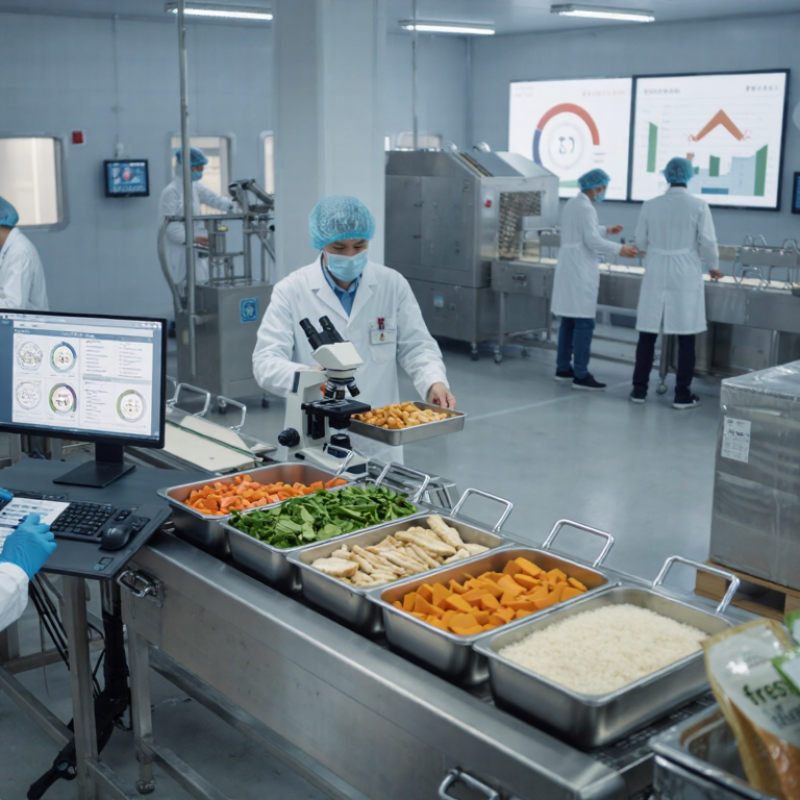
A high-quality fresh dog food manufacturer should show more than attractive packaging. It should provide clear ingredient sources, production records, and dependable quality controls. Fresh meat should arrive through a monitored supply chain. Vegetables and grains need inspection before processing. Temperature records matter from storage to delivery.

Experienced manufacturers usually employ qualified animal nutritionists and food safety specialists. They should explain how recipes meet a dog’s nutritional needs at different life stages. Laboratory testing should check pathogens, moisture, fat, protein, and essential nutrients. Batch numbers must connect finished meals with their original ingredients. This traceability supports faster investigation when something goes wrong. A polished website is not proof of quality. Factory visits and recent test reports offer stronger evidence. Still, no supplier is flawless, and documentation may contain small gaps that deserve careful questions.

Tips: Ask for a facility tour, sample batch records, ingredient certificates, and storage procedures. Check whether the manufacturer can adjust recipes without weakening nutritional balance. Request realistic shelf-life data, not only marketing claims. Pay attention to odors, texture, sealing, and temperature after opening a sample. A reliable manufacturer welcomes these questions and answers them with specific evidence.

How to Evaluate Ingredients, Nutrition, and Food Safety Standards

What Is the Best Fresh Dog Food Manufacturer in China?

Choosing the best fresh dog food manufacturer requires more than attractive packaging or low prices. Start with the ingredient list. Named meats, vegetables, and oils should appear clearly, without vague terms like “meat derivatives.”

The recipe should provide complete nutrition, including calcium, phosphorus, essential fatty acids, and appropriate vitamins. A fresh formula may look wholesome but still lack balance. This is an easy mistake.

A reliable manufacturer should explain its sourcing, cooking temperatures, storage controls, and batch testing. Look for documented systems such as HACCP or ISO 22000, alongside compliance with applicable Chinese feed safety requirements.

Ask for recent laboratory reports covering pathogens, heavy metals, moisture, and nutritional values. Traceability matters too. Each batch should connect to production dates, raw material records, and recall procedures.

I would not treat one clean report as permanent proof. Standards require continuous monitoring.

Tips:

Request a full nutrient analysis, not only guaranteed percentages. Check whether the food is complete for your dog’s life stage. Inspect sealed packaging and cold-chain records.

If the manufacturer avoids detailed answers, pause before ordering. A transparent factory welcomes practical questions, though even good suppliers can have occasional inconsistencies. Consistent evidence matters more than confident promises.

Which Manufacturing Capabilities Matter for Fresh Dog Food Production?

What Is the Best Fresh Dog Food Manufacturer in China?

Choosing a fresh dog food manufacturer requires more than checking equipment or production capacity. The right partner should control each stage, from ingredient receiving to chilled delivery. Look for documented supplier audits, batch traceability, and clear records for temperature control. Fresh meat, vegetables, and supplements should arrive in monitored conditions. A capable factory also needs hygienic production zones, validated cleaning procedures, and trained quality staff.

Recipe development matters just as much. Experienced manufacturers can adjust protein levels, texture, calories, and portion sizes for different dog needs. Their nutrition team should review formulations with qualified animal nutrition professionals. Testing should cover pathogens, moisture, nutritional values, and shelf life. Packaging must protect the food from oxygen and temperature changes. Small details matter. A weak seal can damage an otherwise careful process.

Tips: Request a factory audit, not only product samples. Ask to review batch records, laboratory reports, recall procedures, and cold-chain data. Check whether the manufacturer can support pilot production before large orders. This step reveals practical problems, such as slow filling lines or inconsistent portion weights. No factory is perfect. Even strong facilities may need better forecasting, clearer communication, or improved waste control. Ask how they handle mistakes, because honest answers often show more reliability than polished presentations.

A strong fresh dog food manufacturer should have formulation, laboratory testing, and process-control capabilities that can consistently meet recognized nutritional benchmarks. The chart shows selected minimum nutrient levels for adult-maintenance dog food on an AAFCO dry-matter basis. Because fresh food contains substantial moisture, manufacturers must convert finished-product results to a dry-matter basis before evaluating compliance.

How to Compare Chinese Manufacturers by Quality, Price, and Services

What Is the Best Fresh Dog Food Manufacturer in China?

Comparing Chinese fresh dog food manufacturers requires more than checking factory photos. Visit the facility, if possible, and inspect ingredient storage, cooking areas, and refrigeration records. Reliable producers can trace meat and vegetables to approved suppliers. They should also provide batch testing for pathogens, moisture, and nutritional accuracy. Ask whether a qualified animal nutritionist reviews each recipe. Small details matter, such as sealed containers, clean floors, and temperature logs during delivery.

Price comparisons should include the complete supply cost. A low quotation may exclude formulation, packaging, laboratory testing, cold-chain shipping, or export documentation. Request a sample batch before signing a large order. Check its texture, smell, package seal, and declared analysis. I have seen attractive samples hide inconsistent portion sizes. That mistake can become expensive.

Service quality often separates an average supplier from a dependable one. Compare minimum order quantities, sample fees, production schedules, and response times. Ask how the manufacturer handles recalls, damaged cartons, and recipe changes. Clear English documents and stable communication reduce avoidable errors. Certification can help, but it is not proof of daily discipline. Verify certificates with the issuing body, and inspect recent records rather than accepting old promises. A manufacturer that welcomes reasonable audits usually shows stronger accountability. Still, no supplier is perfect, and buyers should record every assumption before production begins.

How to Select the Best Manufacturer for Your Dog Food Business

What Is the Best Fresh Dog Food Manufacturer in China?

Choosing a fresh dog food manufacturer should begin with evidence, not a polished factory tour. The American Pet Products Association reported US pet industry spending of 152 billion dollars in 2024. FEDIAF’s 2024 Facts and Figures counted about 139 million pet-owning European households. Demand is expanding, but quality expectations are rising faster. A supplier should provide ingredient specifications, nutritional calculations, allergen controls, and batch-level traceability. Ask for recent certificates, not scanned files from years ago.

Check whether the facility follows HACCP-based controls and ISO 22000 food safety systems. Confirm compliance with China’s applicable feed regulations and your destination market’s import rules. Request laboratory results for pathogens, heavy metals, moisture, and nutritional accuracy. Fresh recipes require tighter control than dry products. Cold-chain records should show storage temperatures, delivery duration, and backup procedures. A low quotation can look efficient. It may also hide weak testing or unstable sourcing.

Arrange a remote audit before visiting the plant. Watch how workers handle cooked food, packaging, and rejected batches. Review the product’s shelf-life study under realistic transport conditions. Pilot production matters more than impressive equipment. Test several batches, then compare texture, odor, moisture, and laboratory results. Grand View Research identifies product safety and premiumization as major pet food market drivers. Yet, smaller suppliers may offer useful flexibility. That flexibility can become inconsistency without written specifications and corrective-action records. Keep one uncomfortable question: would this manufacturer protect your customer’s dog when a batch fails?

What Is the Best Fresh Dog Food Manufacturer in China? - How to Select the Best Manufacturer for Your Dog Food Business

Evaluation Dimension Why It Matters Evidence to Request Recommended Selection Benchmark Weight
Regulatory Compliance Confirms that the facility operates legally and that products meet applicable feed, labeling, and hygiene requirements. Feed-production qualification, product filing or registration documents where applicable, product labels, ingredient specifications, and recent compliance records. All required documents are current, consistent with the product formula, and available for buyer review before sampling. 15%
Food-Safety Management Fresh dog food has high moisture and therefore requires strict control of pathogens, sanitation, and temperature. HACCP-based procedures, sanitation schedules, environmental monitoring records, pest-control records, and third-party audit reports. Documented hazard analysis, controlled critical points, routine microbiological testing, and an auditable corrective-action process. 18%
Ingredient Quality and Traceability Traceable ingredients support consistent nutrition, faster recalls, and reliable claims about meat, vegetables, grains, or supplements. Approved-supplier list, certificates of analysis, batch records, origin information, allergen controls, and supplier-audit procedures. Every major ingredient can be traced from supplier and receiving lot to finished-product batch within one business day. 15%
Nutritional Formulation A fresh formula must provide complete and balanced nutrition for the intended life stage, size, and feeding purpose. Formula sheet, guaranteed analysis, laboratory nutrient results, feeding guide, calorie information, and formulation review by a qualified animal-nutrition professional. Formula is supported by laboratory data and clearly states whether it is complete food or a complementary product. 15%
Freshness and Cold-Chain Control Temperature abuse can shorten shelf life and increase microbiological risk in high-moisture food. Cooking and cooling records, storage-temperature logs, dispatch procedures, packaging specifications, and shipment temperature requirements. Defined temperature limits, continuous or routine monitoring, validated shelf life, and documented cold-chain handover points. 12%
Processing and Product Consistency Stable texture, moisture, portion size, and nutrient levels reduce customer complaints and protect repeat sales. Process flow chart, batch records, in-process checks, retained samples, equipment-maintenance records, and finished-product test results. Documented critical specifications with batch-to-batch testing and retained samples for the stated shelf-life period. 8%
Packaging and Shelf Life Packaging must protect the product from leakage, oxygen, contamination, and temperature changes during distribution. Packaging material specifications, seal-integrity tests, migration or safety documentation where relevant, shelf-life study, and transport simulation results. Packaging passes seal and leakage checks, includes batch identification, and has shelf-life evidence under defined storage conditions. 7%
Customization Capability Flexible formulation, packaging, and portion options help a business target different breeds, life stages, and market segments. Available recipe-development process, minimum order quantities, packaging formats, sample policy, development timeline, and change-control procedure. The manufacturer can provide a controlled pilot batch and clearly separates approved formulas from production revisions. 4%
Production Capacity and Delivery Reliable capacity and lead times are essential for maintaining stock, promotions, and customer service levels. Monthly capacity by product type, production calendar, historical on-time delivery data, lead times, and contingency plans. Capacity is verified with production records, lead times are documented, and backup arrangements exist for critical materials or logistics. 3%
Quality Claims and Customer Support Fast investigation of complaints and transparent communication reduce regulatory, financial, and reputational risk. Complaint-handling procedure, recall plan, response-time commitment, nonconformance reports, and technical support contacts. Written complaint escalation and recall procedures, with batch-level investigation and documented corrective actions. 3%
Total Evaluation Weight 100%
Selection Note: The benchmarks above are practical buyer-side screening targets. Verify all claims through current documents, factory audits, product samples, laboratory reports, and a controlled trial order before signing a long-term supply agreement.