Top Holistic Dog Food Manufacturers in China?

Choosing among the top holistic dog food manufacturers in China requires more than attractive packaging or broad ingredient claims. The term “holistic” has no single, universally accepted legal definition. Therefore, buyers should examine nutrition, manufacturing controls, ingredient traceability, and transparent testing records. A balanced formula should identify animal proteins clearly, provide appropriate nutrients, and suit a dog’s age, size, activity, and health condition.

Dr. Lisa M. Freeman, a veterinary nutritionist at Tufts University, has stated, “There is no one best diet for all pets.” That reminder is essential when evaluating holistic dog food. A recipe containing chicken, brown rice, vegetables, or probiotics may look convincing, but appearance proves little. Reliable manufacturers should explain where ingredients come from and how finished products are tested. They should also provide feeding guidance and respond openly to quality questions.

Details matter. Look for batch identification, controlled production areas, laboratory analysis, and documented safety procedures. Independent verification can strengthen confidence. However, certification alone does not guarantee a perfect product. Not every company publishes the same information, and some claims remain difficult to compare. That is where this review becomes useful, but not infallible.

The manufacturers discussed here are assessed through practical evidence, including formulation expertise, production capacity, export experience, quality management, and customer transparency. Individual dogs may still respond differently. A trusted veterinarian should guide decisions involving allergies, chronic disease, or special nutritional needs. Good food is not merely holistic in name. It must perform consistently in the bowl.

Top Holistic Dog Food Manufacturers in China?

What Makes a Holistic Dog Food Manufacturer Stand Out in China?

A standout holistic dog food manufacturer in China begins with ingredient control, not attractive packaging. Reliable facilities document each supplier, harvest location, batch number, and storage condition. They should explain whether meat is fresh, frozen, or rendered. Clear answers matter.

Professional manufacturers use trained nutritionists and qualified food scientists. Their recipes should match a dog’s life stage, size, and health needs. Laboratory testing can check protein, fat, moisture, pathogens, heavy metals, and unwanted contaminants. Independent testing adds credibility. Manufacturing records should remain available for audits and export requirements.

Experience also appears in small details. Workers monitor cooking temperatures, clean equipment between production runs, and seal samples for retention. Strong factories follow China’s feed regulations and review destination-market rules before shipping. However, “holistic” has no single universal definition, so buyers should question vague wellness claims. No manufacturer is perfect. A trustworthy one admits limitations, investigates complaints, and improves after mistakes. It should welcome facility visits, provide certificates, and avoid hiding behind polished language. Consistency matters more than promises.

Leading Chinese Manufacturers of Holistic Dog Food

Top Holistic Dog Food Manufacturers in China

China has become an important sourcing market for holistic dog food production. Leading Chinese manufacturers often combine modern processing lines with flexible private-label services. Experienced buyers should examine ingredient traceability, factory hygiene, and nutritional control before choosing a supplier. “Holistic” is not defined uniformly worldwide, so manufacturers should explain the term clearly. A reliable facility can provide ingredient specifications, batch records, and laboratory test results. It should also show how recipes support complete and balanced canine nutrition.

During factory evaluations, inspect storage areas, mixing equipment, drying systems, and packaging rooms. Look for clean floors, sealed ingredient containers, and controlled temperature zones. Ask whether the facility performs tests for moisture, pathogens, heavy metals, and nutritional consistency. Certifications can support credibility, but they should be verified through current documents and independent audits. A manufacturer may offer grain-free, sensitive-stomach, or functional recipes. Still, marketing language should never replace feeding trials and veterinary nutrition guidance. Some suppliers appear highly capable online, yet their documentation may be incomplete. That gap deserves careful attention.

Tips: Request a recent sample batch, not only product photographs. Compare the label with the laboratory report. Confirm minimum order quantities, shelf-life testing, and recall procedures in writing. Visit the factory when possible. A video tour helps, but it cannot reveal every operational weakness. Discuss packaging details, such as oxygen barriers and seal strength. Small errors there can spoil otherwise carefully produced food.

Ingredients and Nutrition Standards Used by Chinese Producers

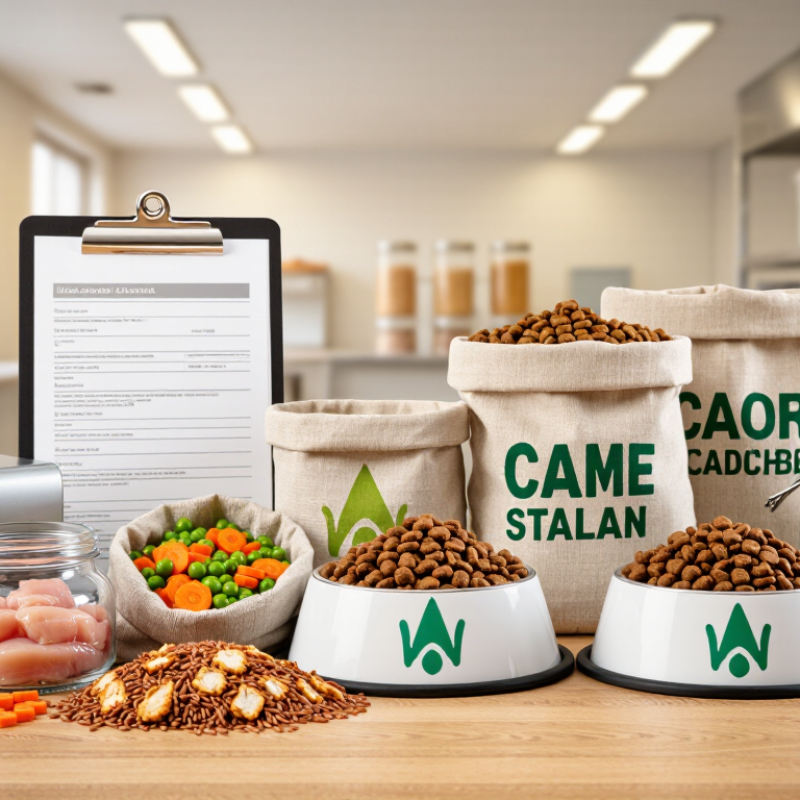
Chinese holistic dog food manufacturers increasingly focus on clear ingredients and measurable nutrition standards. Many formulas begin with named animal proteins, such as chicken, duck, beef, or fish. This detail helps owners judge quality more easily. Some producers add pumpkin, carrots, seaweed, or brown rice for fiber and natural nutrients. However, attractive ingredients do not guarantee a complete diet.

Reliable producers usually balance protein, fat, fiber, vitamins, and minerals according to a dog’s life stage. Puppy food needs different calcium and energy levels from adult or senior formulas. Manufacturers should also test moisture, crude protein, fat, microbial safety, and heavy-metal limits. Batch records and traceable raw materials add practical confidence. Still, laboratory testing can vary between facilities. A certificate deserves careful reading.

Manufacturers with stronger quality systems often use controlled cooking temperatures and sealed production lines. These steps help reduce contamination and protect nutrient stability. Omega-3 sources, including fish oil or algae oil, may support skin and coat health. Yet oxidation can reduce their value if storage is poor. Fresh packaging matters.

The term holistic is not a universal guarantee. It can sound better than it proves. Ingredient panels, feeding trials, and transparent test results provide stronger evidence. No recipe suits every dog. A sensitive stomach may reject a formula that looks excellent on paper. Monitoring stool quality, appetite, coat condition, and body weight gives the most useful real-world feedback.

Top Holistic Dog Food Manufacturers in China? - Ingredients and Nutrition Standards Used by Chinese Producers
Evaluation Dimension Common Practice Among Chinese Producers Ingredient or Nutrition Benchmark Typical Verification Method Relevant Chinese Reference
Complete and Balanced Formula Manufacturers generally formulate products according to the intended life stage, such as puppy, adult, senior, or all-life-stage diets. Declared as a complete diet only when the formula is designed to provide the required nutrients as the sole daily food source. Formula review, nutrient calculation, laboratory analysis, and feeding or digestibility validation where applicable. GB/T 31216-2014, Full-Price Pet Food—Dog Food; applicable feed-label requirements.
Animal-Source Protein Holistic-style formulas commonly use poultry, beef, fish, egg, or animal by-products as protein sources, often combined with plant proteins. Ingredient quality is assessed by species identification, freshness, digestibility, amino-acid contribution, and consistency rather than by a single protein percentage. Crude protein testing, amino-acid profiling, raw-material certificates, and supplier audits. Feed safety and product-quality requirements; product specifications should be supported by test records.
Crude Protein Dry dog foods commonly use moderate-to-high protein formulas, with levels varying according to life stage, energy density, and ingredient selection. Approximately 18%–32% as-fed crude protein is a common commercial range for dry dog food; this is an indicative market range, not a universal legal threshold. Kjeldahl or Dumas nitrogen analysis, reported on the product label or certificate of analysis. GB/T 31216-2014 and applicable product-label rules.
Fat and Energy Animal fats, poultry fat, fish oil, and selected plant oils are used to improve energy density, palatability, and fatty-acid balance. Dry formulas often contain approximately 8%–22% crude fat. Omega-3 sources should specify whether they provide ALA, EPA, or DHA. Ether-extract fat testing, moisture-corrected energy calculation, and fatty-acid analysis by gas chromatography when claimed. Product specification, laboratory certificate, and applicable feed-quality standards.
Carbohydrate Sources Rice, corn, wheat, sorghum, potatoes, peas, and other starch sources may be used to support extrusion, texture, and energy supply. “Grain-free” is a formulation description, not proof of superior nutritional quality. Ingredient digestibility and nutrient balance remain important. Ingredient identity checks, starch analysis, mycotoxin screening, and digestibility assessment. Feed hygiene and labeling requirements; claims should be factually supportable.
Fiber and Digestive Support Beet pulp, cellulose, pumpkin, chicory-derived ingredients, and other fiber sources may be added to support stool quality and gastrointestinal function. Dry dog food commonly contains approximately 2%–8% crude fiber, although the appropriate level depends on the product's purpose. Crude-fiber testing, dietary-fiber analysis, stool-quality observation, and ingredient traceability. Product specification and applicable analytical methods for feed products.
Vitamins and Minerals Premixes are commonly used to provide calcium, phosphorus, zinc, iron, copper, selenium, vitamins A, D, and E, and other required nutrients. Calcium-to-phosphorus balance, vitamin stability, and mineral bioavailability should be evaluated together with the dog's life stage. ICP-OES or ICP-MS for minerals; HPLC or validated methods for selected vitamins. GB/T 31216-2014 and relevant feed-additive and feed-safety requirements.
Functional Ingredients Some formulas include probiotics, prebiotics, glucosamine, chondroitin, taurine, botanical ingredients, or yeast products. Functional ingredients should have a declared inclusion level, defined specification, and a clear purpose; “holistic” itself is not a regulated nutritional claim. Identity and potency testing, stability studies, supplier documentation, and claim substantiation. Feed-additive and labeling rules applicable to the specific ingredient and claim.
Contaminant and Hygiene Control Responsible producers operate supplier approval, incoming-material inspection, environmental sanitation, and finished-product release procedures. Key controls commonly include moisture, microbial contamination, mycotoxins, heavy metals, excessive additives, and undeclared substances. Testing for Salmonella and other microorganisms, aflatoxins, heavy metals, pesticide residues, and prohibited substances where relevant. GB 13078-2017, Feed Hygiene Standard, together with other applicable feed-safety rules.
Processing Technology Extrusion is widely used for dry kibble because it can gelatinize starch, improve forming, and reduce microbial risk when properly controlled. Critical controls include temperature, residence time, moisture, drying, cooling, and post-processing contamination prevention. Hazard Analysis and Critical Control Point procedures, process records, moisture testing, and microbiological release testing. Feed manufacturing hygiene and production-management requirements.
Traceability Well-managed facilities maintain batch records linking finished products to raw-material lots, production dates, and testing results. Traceability should cover suppliers, formulation versions, processing batches, packaging lots, distribution records, and recall procedures. Batch-code review, inventory records, supplier audits, mock recalls, and document verification. Feed production licensing, quality-management, and product-record requirements.
Label Transparency Labels generally identify the product category, intended animal, feeding instructions, net content, ingredients, guaranteed analysis, manufacturer information, and shelf life. Ingredient names and analytical values should be consistent with the approved formula and laboratory results. Marketing terms should not replace a complete nutrient declaration. Label review against production records, formula documentation, and laboratory certificates. GB 10648-2013, Feed Label, and applicable pet-feed labeling provisions.
Packaging and Shelf Stability Multi-layer plastic, foil-laminate, or other moisture- and oxygen-barrier packaging may be used for dry food; oxygen absorbers are sometimes added. Packaging should protect against moisture uptake, oxidation, light exposure, pests, and physical damage throughout the stated shelf life. Accelerated or real-time stability testing, peroxide-value monitoring, moisture testing, and seal-integrity checks. Packaging specifications, feed-label rules, and internal shelf-life validation procedures.
Sustainability and Sourcing Some producers use locally sourced grains or proteins, recyclable packaging components, and animal by-products that are suitable for feed use. Sustainability should be assessed through measurable sourcing, energy, packaging, waste, and traceability data rather than through the word “holistic” alone. Supplier declarations, chain-of-custody records, packaging-material documentation, and environmental audits. Voluntary sustainability practices; claims should be supported by verifiable records.

How Chinese Holistic Dog Food Manufacturers Ensure Product Safety

Holistic dog food manufacturers in China protect safety through controls that begin before ingredients reach the factory. Qualified teams review farms, slaughterhouses, grain suppliers, and transport records. They check moisture, storage temperature, certificates, and previous test results. At receiving docks, staff inspect seals and collect samples from each lot. The details matter. Wet ingredients need cold-chain control. Dry ingredients need protection from humidity, pests, and chemical contamination.

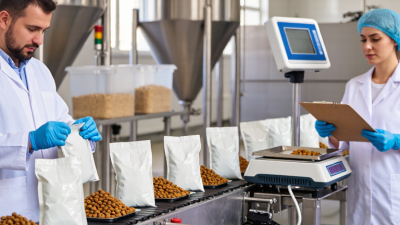
Inside the plant, documented procedures guide cleaning, grinding, cooking, drying, and packaging. Many facilities use hazard analysis and critical control points to manage biological, chemical, and physical risks. Heat treatment can reduce pathogens, while magnets and sieves help remove foreign materials. Independent laboratories may test finished batches for Salmonella, mold toxins, heavy metals, moisture, and nutrient levels. A reliable manufacturer keeps batch codes and retained samples. This makes investigations faster when a complaint appears. Packaging should show intact seals, production dates, feeding guidance, and storage instructions.

Audits should examine real records, not only polished certificates. Traceability drills can show how quickly one ingredient lot is located. Worker hygiene, pest-control logs, calibration records, and corrective actions deserve close attention. No testing system is perfect. A certificate alone proves little. Some manufacturers may still improve supplier oversight or explain testing limits more clearly. That weakness should not be hidden. Buyers can request recent laboratory reports, audit summaries, and recall procedures before approving a supplier. Clear evidence builds more trust than broad claims about natural ingredients or holistic nutrition.

Choosing the Right Chinese Manufacturer for Your Dog Food Needs

Choosing a Chinese dog food manufacturer requires more than comparing prices or calling a recipe “holistic.” The term has no universal legal definition in many markets. Ask for a complete ingredient specification, guaranteed analysis, allergen controls, and documented nutritional targets. The 2023 China Pet Industry White Paper estimated China’s urban dog and cat market above RMB 270 billion, showing strong demand but also intense supplier competition.

I would inspect the factory before signing. Check HACCP or ISO 22000 systems, pest control, sanitation records, and batch-level traceability. Request recent certificates of analysis for protein, fat, moisture, minerals, and microbial limits. Independent laboratory testing matters. A polished audit file is not enough. Review feeding-trial evidence, not only computer-formulated recipes. The selected diet should meet recognized nutritional standards in the destination market and carry clear feeding instructions.

Supplier stability deserves equal attention. Euromonitor International’s 2024 pet-care research identifies premiumization and health-focused nutrition as important market trends. That makes claims easy to exaggerate. Compare three production batches, inspect ingredient origins, and test packaging for seal integrity. I would also verify recall procedures, export experience, minimum order quantities, and change-notification policies. My first shortlist would probably be too broad. A smaller, transparent manufacturer may offer better control than a large facility with limited disclosure. Leave room for independent review.