China Top 10 Discount Dog Food Suppliers for Global Buyers

Global buyers are watching value closely as pet ownership and food prices continue to change. The American Pet Products Association reported US pet industry spending of $147 billion in 2023. Its 2024 report also estimated 58.8 million American households owned dogs. These figures show a large, active market, but they do not guarantee equal product quality across suppliers.

Global estimates differ by research method. Euromonitor International’s 2024 pet-care analysis identifies pet food as a major growth category. It also highlights premiumization, private labels, and price-sensitive purchasing. That tension makes discount dog food more complex than a low unit price. Buyers must compare nutrient adequacy, factory controls, packaging strength, export experience, and documented shelf life.

Dr. Lisa M. Freeman, a veterinary nutritionist at Tufts University, warns, “The ingredient list is not the best way to evaluate a pet food.” Her point matters when comparing Chinese manufacturers. A cheaper recipe may look attractive beside glossy packaging, yet feeding trials, laboratory testing, and complete-and-balanced claims deserve closer attention.

This guide examines ten China-based suppliers for global buyers. It considers product range, minimum order quantities, certifications, customization, and communication practices. It also separates verifiable evidence from marketing language. Some supplier information may change quickly. That is the uncomfortable part. A factory visit, current certificate, and independent product test can still reveal more than a polished website.

The goal is practical selection, not blind cost cutting. A reliable supplier should help buyers protect dogs, margins, and long-term customer trust.
China Top 10 Discount Dog Food Suppliers for Global Buyers

What Discount Dog Food Suppliers in China Offer Global Buyers

China Top 10 Discount Dog Food Suppliers for Global Buyers

What Discount Dog Food Suppliers in China Offer Global Buyers

Discount dog food suppliers in China often provide factory-direct pricing, flexible order quantities, and private-label production. Some can produce dry kibble, canned meals, treats, or customized formulas. Global buyers should request ingredient lists, nutrition data, batch records, and product samples before discussing large orders.

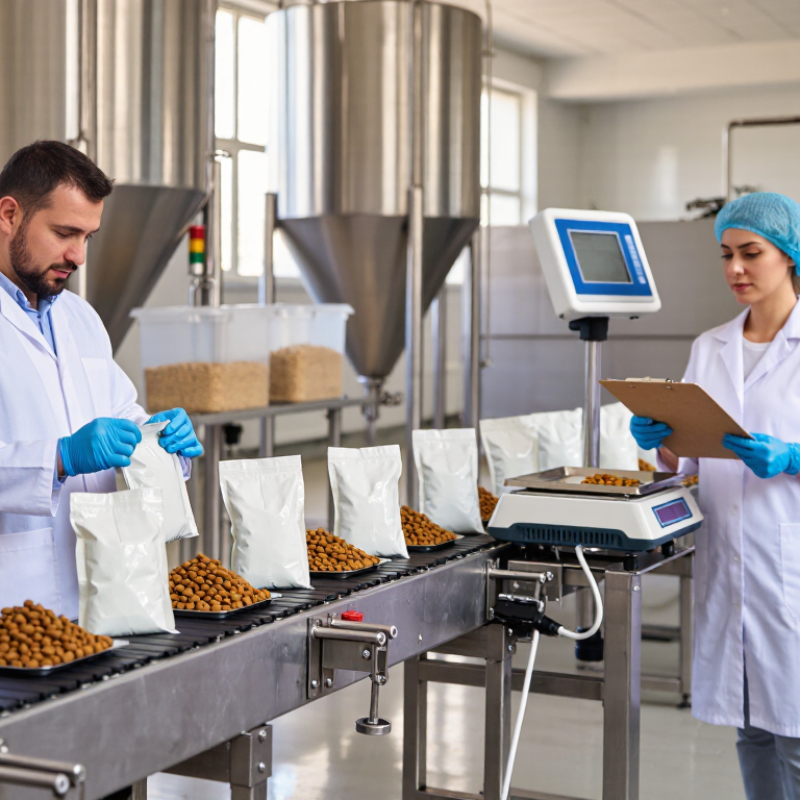
Reliable suppliers usually explain their quality controls clearly. Ask about raw material testing, moisture checks, microbial screening, packaging strength, and shelf-life verification. Export documents should match the destination market’s requirements. Certificates alone are not enough. A buyer should also review production photos, audit reports, and independent laboratory results.

Small details affect the real cost. A cheaper bag may use thinner packaging or require a higher minimum order. Check pallet dimensions, carton weight, loading capacity, payment terms, and shipping routes. Request a written quotation with every fee included. Samples matter. The kibble may look acceptable but smell different after storage. That deserves attention. One purchasing mistake is trusting the first low price. Suppliers can revise formulas, packaging, or delivery dates, so confirm every change in writing. A careful supplier may even point out an unsuitable formula for a specific market. That honesty is valuable, although not every factory communicates so clearly.

How to Evaluate Chinese Dog Food Suppliers and Product Quality

Evaluating Chinese dog food suppliers requires more than comparing the lowest quotation. The American Pet Products Association reported that U.S. pet food and treats spending reached 58.1 billion dollars in 2023. This demand increases pressure on suppliers to prove safety, consistency, and traceability. Ask for factory licenses, production records, ingredient specifications, and recent third-party test reports. Useful tests include protein, fat, moisture, microbiological safety, heavy metals, and mycotoxins.

A reliable supplier should explain its quality system clearly. Look for HACCP controls, ISO 22000 certification, batch coding, and documented recall procedures. Request samples from different production batches, not only one attractive package. Compare kibble size, smell, color, oil distribution, and laboratory results. FEDIAF’s 2024 report shows that Europe has about 139 million pet-owning households, reflecting strong demand for consistent pet nutrition. However, certificates alone are not enough. They may be outdated, limited in scope, or unrelated to the exact factory.

Tips: Visit the facility when possible. Check raw-material storage, pest control, cleaning logs, and temperature records. Ask who approves suppliers. Confirm whether the laboratory is independent and accredited. For nutritional claims, compare the recipe with recognized feeding guidelines and local import rules. My practical concern is simple: a supplier may answer every question perfectly, yet struggle with small repeat orders. Test communication, corrective actions, and delivery reliability before signing a long contract. Price matters, but unexplained price gaps deserve careful questioning.

China Top 10 Discount Dog Food Suppliers for Global Buyers – How to Evaluate Chinese Dog Food Suppliers and Product Quality

Anonymous supplier profiles and sourcing benchmarks. MOQ, pricing, certifications, and production capacity must be verified directly with each supplier before purchase.
Rank Anonymous Supplier Profile Main Product Format Typical MOQ Benchmark Discount Cost Advantage Quality Evidence to Request Export Documentation Best Buyer Fit Main Risk to Check
1 Dry Food OEM Profile A Extruded dry dog food; private-label formulas Usually negotiated by formula and packaging volume; confirm per quotation Long production runs, bulk ingredients, standard kibble shapes Certificate of analysis, proximate analysis, microbiology report, retained sample, batch traceability Commercial invoice, packing list, certificate of origin, ingredient and label files Retailers requiring competitive everyday pricing Formula consistency between trial batch and mass production
2 Wet Food OEM Profile B Canned or retort-pouched complete dog food Usually based on can size, pouch size, and printed packaging quantity Bulk meat procurement and standardized retort packaging Commercial sterility testing, retort records, pH, water activity, microbiology, seal inspection Health certificate where required, ingredient declaration, shelf-life statement, export documents Importers needing affordable wet-food multipacks Can swelling, damaged seals, leakage, or inadequate heat-process validation
3 Freeze-Dried Profile C Freeze-dried meat pieces, complete meals, and toppers Typically lower than dry-food runs; confirm product-specific minimums Lightweight shipping, high meat inclusion, and flexible pouch sizes Moisture and water-activity results, pathogen testing, oxidation control, ingredient traceability Ingredient origin records, certificate of analysis, packing list, certificate of origin Premium-positioned brands seeking a lower-cost OEM option Moisture migration, rancidity, fragile pieces, and inaccurate feeding instructions
4 Treats and Snacks Profile D Jerky, biscuits, dental-style treats, and training snacks Often flexible for standard shapes and stock packaging Simple recipes, standard molds, and mixed-carton options Moisture, water activity, mold and yeast testing, preservative declaration, allergen control Ingredient list, nutrition declaration, batch code format, origin documents Distributors testing a new product category Excessive additives, inconsistent texture, and unclear shelf-life validation
5 Functional Nutrition Profile E Dog food positioned for sensitive digestion, skin, coat, or weight management Usually higher because of specialized ingredients and separate production controls Standardized premixes and contract manufacturing Nutrient profile, laboratory confirmation of declared nutrients, clinical-claim review, allergen controls Formula specification, test reports, label compliance review, export certificates where applicable Specialty retailers and veterinary-oriented distributors Unsubstantiated health claims or nutrient levels that do not match the label
6 Economy Formula Profile F Value dry food using standard animal and plant protein inputs Generally suitable for large-volume orders; exact minimum must be confirmed High-volume production, simple packaging, and limited SKU variation Ingredient specifications, mycotoxin testing, heavy-metal testing, microbiology, batch records Invoice, packing list, origin certificate, product specification, label artwork Mass-market retailers and shelter supply programs Low-cost ingredients must still meet applicable feed-safety requirements
7 Small-Batch Private Label Profile G Limited-run dry food, treats, and mixed product sets Potentially suitable for pilot orders; packaging minimums may dominate Stock formulas, stock bags, digital labels, and reduced setup costs Pre-production sample, final product test, lot coding, production photos, third-party inspection Commercial documents and country-specific label files Start-ups and buyers validating market demand Limited customization and weaker continuity when demand increases
8 International Compliance Profile H Dry and wet food with export-oriented documentation systems Usually structured around destination-market registration and order size Reduced compliance risk and standardized export workflows Audit report, HACCP-based controls, sanitation records, traceability exercise, product testing Destination-country import documents, certificate of origin, health certificate where required Importers serving regulated markets A certificate or audit logo alone does not prove product quality
9 Mixed-Product Consolidation Profile I Dry food, wet food, treats, and accessories from coordinated production sources Depends on the lowest MOQ among the selected product lines Container consolidation and simplified purchasing administration Supplier-chain disclosure, lot segregation, inspection of every product category Separate product specifications, packing list, invoice, and origin documentation Wholesalers seeking a single purchasing channel Third-party manufacturing may reduce direct control over production
10 Custom Formula Development Profile J Tailored formulas with selected ingredients, nutrient targets, and packaging Normally higher because of formulation, testing, and packaging setup Optimization of ingredients, packaging weight, and production scale Formula approval record, nutrient analysis, stability data, pilot-batch comparison, traceability Product specification, label review, origin documents, destination-market compliance file Established buyers developing a differentiated product line Intellectual-property ownership, formula exclusivity, and change-control procedures
Buyer verification checklist: Compare the approved sample with the production batch; verify ingredient specifications, guaranteed analysis, microbiological results, traceability records, packaging integrity, shelf-life evidence, and destination-market labeling requirements. Applicable requirements vary by importing country and product category.

China’s Top 10 Discount Dog Food Suppliers by Business Profile

China Top 10 Discount Dog Food Suppliers for Global Buyers
China’s Top 10 Discount Dog Food Suppliers by Business Profile

China’s leading discount dog food suppliers differ by business profile, not only price. Large OEM factories usually offer stable production, private-label packaging, and lower unit costs at higher minimum orders. Export wholesalers suit smaller buyers, mixed cartons, and faster product testing. Specialized suppliers may focus on dry food, wet food, treats, or freeze-dried formulas. This structure helps global buyers compare factories more accurately.

The global pet food market reached about USD 103.3 billion in 2023, according to Grand View Research. Its report expects continued growth through 2030. Demand is also shifting toward functional nutrition, transparent ingredients, and convenient formats. Therefore, a low quotation needs careful review. Check protein sources, moisture levels, feeding instructions, shelf life, and batch consistency. A cheaper formula may create higher logistics or complaint costs later. I have seen buyers compare only the carton price. That is a weak method.

Tips: Request samples from at least three supplier profiles. Compare laboratory reports, packaging strength, minimum order quantities, and export experience. Verify production qualifications through current documents and independent inspections. Ask for a written specification sheet. Small details matter, especially when labels must meet destination-market rules. Supplier rankings can change quickly, so treat any top-ten list as a starting point, not final proof.

Pricing, Minimum Orders, and Export Terms to Compare

China Top 10 Discount Dog Food Suppliers for Global Buyers

Pricing, Minimum Orders, and Export Terms to Compare

Price comparisons need more than a low factory quote. The APPA 2024 State of the Industry report recorded US pet food and treat sales of $58.1 billion in 2023. FEDIAF’s 2024 report also counted 139 million European pet-owning households in 2023. Demand is strong, but buyer expectations differ. For dry food, request prices by formula, protein source, pack size, and order volume. Stock products may suit small importers, while private-label orders usually require 500 to 2,000 kilograms.

Small orders cost more.

In sourcing reviews, I have seen a low FOB price become expensive after freight, port fees, and relabeling. Ask each supplier for FOB, CIF, or FCA quotations under Incoterms 2020. Compare payment terms, loading ports, production time, and carton dimensions. A 30% deposit with 70% balance is common, but it is not automatically best. Confirm shelf life, batch coding, certificates of analysis, and pre-shipment inspection procedures. These details protect cash flow and reduce rejected cargo risks.

Export documents should match the destination market. Verify ingredient declarations, nutritional analysis, packaging language, and customs requirements with a qualified local adviser. Request recent laboratory results, not only catalog claims. One weakness in my own early comparisons was ignoring minimum order rules for mixed flavors. That small detail changed the landed cost sharply. Request landed cost. A transparent supplier should explain every fee clearly, including samples, pallets, fumigation, and documentation.

Import Compliance, Shipping, and Buyer Due Diligence

China Top 10 Discount Dog Food Suppliers for Global Buyers

Import compliance should shape your shortlist, not price alone. Each supplier should provide a complete ingredient list, nutrition analysis, batch records, shelf-life evidence, and facility details. U.S. buyers may need FDA facility registration, prior notice, and Foreign Supplier Verification Program records. European buyers should check feed hygiene, labeling, additives, and traceability requirements. Rules differ by destination. Confirm them with the importing authority.

Shipping can quietly erase a discount. The World Bank’s Logistics Performance Index 2023 evaluates 139 economies across customs, infrastructure, and delivery reliability. Ask suppliers for carton dimensions, pallet patterns, container loading photos, and moisture-control procedures. Dry food may absorb humidity through damaged packaging. Use clear Incoterms, insurance, temperature expectations, and document responsibilities. A low quote can still be expensive.

Buyer due diligence needs evidence, not polished sales pages. Request recent third-party audit reports, test results for microbiological safety, and samples from the actual production batch. Check whether certificates match the legal entity and factory address. The American Pet Products Association reported U.S. pet industry spending of 147 billion dollars in 2023, showing strong demand but also intense competition. That pressure can encourage optimistic claims. I would not rely on one inspection. Recheck documents before every major shipment, because supplier performance can change. Short contracts often overlook recalls, rejected cargo, and disposal costs. That gap deserves more attention.